

French Guiana road guide: Why rent an SUV or a 4WD?
October generally falls within French Guiana’s dry season, making it a good time to plan outdoor excursions. Heat, dust, and occasional rain showers are still possible. Check access conditions before every outing, especially during the late-October school vacation period.
Driving in French Guiana requires an understanding of local conditions. The surface can change quickly between major paved highways, exposed to years of heat and rainfall, and red laterite tracks. Choosing the right rental vehicle is just as important as planning your route.
🗺️ Explore the SUVs and other rental vehicles available for your French Guiana itinerary. Check road-use conditions before booking.
What to know about French Guiana’s roads in the dry season
In October, major roads are often drier, although dust, rain showers, and visibility can vary. French Guiana has relatively few major routes, long distances between towns, and road surfaces exposed to demanding tropical weather.
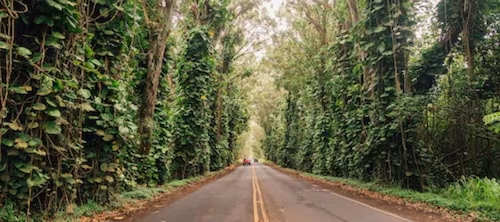
Paved highways Versus Laterite tracks
Two national highways form the backbone of the road network. RN1 connects Cayenne and Saint-Laurent-du-Maroni over roughly 250 km (155 miles), passing Macouria, Kourou, Sinnamary, and Iracoubo. RN2 heads east through the rainforest via Régina to Saint-Georges-de-l’Oyapock, approximately 190 km (118 miles) from Cayenne.
Both highways are paved, but repeated heat, heavy rainfall, and traffic from trucks and logging vehicles can wear down the roadway. You may encounter:
potholes, sometimes deep, where pavement has deteriorated;
dips and uneven pavement caused in part by shifting clay soils;
eroded or soft shoulders, particularly when passing other vehicles.
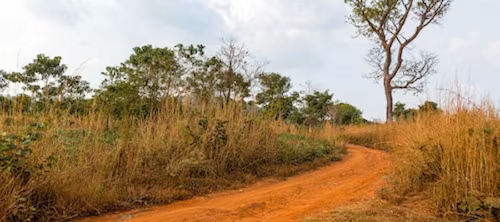
Away from the main highways, paved roads often give way to laterite, the iron-rich red soil found on many inland tracks. In extended dry weather, it can become hard and compact, with washboard-like corrugations formed by repeated vehicle traffic. These surfaces can be uncomfortable in a small car, while passing vehicles may raise dust clouds that sharply reduce visibility. For additional driving advice, see our guide, Driving in French Guiana During the Dry Season.
Reaching rainforest creeks and driving the Kaw road
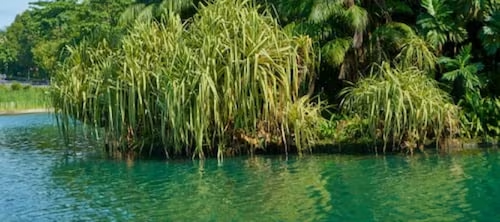
On weekends, many residents enjoy the local “carbet crique” tradition: relaxing in a hammock at a simple rainforest shelter near a creek, or crique, to enjoy the shade and cooler surroundings. Some of these places require traveling along unpaved access roads that may have been damaged by rain. Even during the dry season, access and road conditions can change, so check locally before leaving.
One well-known route is the Kaw Road (RD6). From the Roura area, RD6 crosses the Kaw mountain region and leads toward Dégrad de Kaw. The village of Kaw itself cannot be reached directly by road; the final leg is by water, subject to local arrangements. Tight turns, elevation changes, dense roadside vegetation, and uneven pavement make this a distinctive tropical drive. Even in dry weather, take these precautions:
slow down on blind curves and keep to the right;
watch for fallen branches and vegetation after wind or rain;
reduce speed near water crossings, pavement changes, and damaged sections;
plan your return: darkness generally falls around 6 p.m. year-round.
As with any trip off the main highways, use only roads and tracks open to traffic and permitted under your rental agreement. Confirm your intended route with the rental staff when picking up your vehicle.
Why an SUV or 4WD may be a comfortable choice
A compact car works well in town and on main paved roads, but can be less comfortable when surfaces deteriorate. A higher-clearance vehicle may improve comfort on some uneven roads, but it does not guarantee access to unpaved tracks or replace cautious driving.
Higher ground clearance on uneven roads
One advantage of an SUV or pickup is ground clearance: often around 20 cm (8 inches) for a compact SUV versus approximately 13–15 cm (5–6 inches) for a small car. These are estimates and vary by model. Extra clearance may reduce the risk of scraping the underside on uneven pavement, but it does not mean the vehicle can cross every obstacle.
Depending on the model, an SUV may offer suspension and tires that make the ride more comfortable. On longer trips, including Cayenne to Saint-Laurent-du-Maroni, take breaks and adjust your speed to conditions.
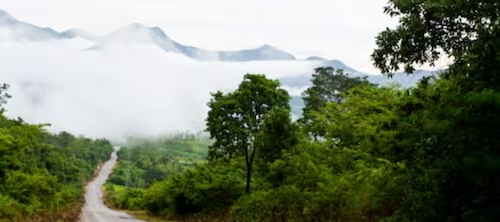
A higher driving position may also help you see farther down the road, although blind spots remain. Watch for pavement damage hidden by tree shadows, sudden truck braking, and animals crossing near the rainforest edge, such as iguanas, sloths, or armadillos.
Compact car, SUV, or 4WD: Which fits your route?
The best vehicle depends on your plans. Use the following guide to compare options:
Your route | Suggested vehicle | Why |
Cayenne, Rémire-Montjoly, Matoury, Kourou | Economy or compact car | Easy to maneuver, budget-friendly, and convenient to park |
Major highways (RN1, RN2) and longer drives | Compact, sedan, or SUV | Comfort and air conditioning on longer trips |
Kaw Road, creek access roads, permitted unpaved routes | SUV, if permitted and suitable | Verify access, surface conditions, and contract terms |
Equipment, heavier loads, professional use | Suitable van or pickup | Confirm payload capacity and permitted use |
Tracks excluded by the rental agreement | No rental vehicle | Access not permitted; ask the rental office for guidance |
Good to know: all-wheel drive is not essential for a typical sightseeing trip during the dry season. A compact car or two-wheel-drive SUV may be suitable on paved roads. Before using any unpaved access road, check both the vehicle’s capabilities and your rental agreement.
October can be a pleasant time to explore French Guiana, provided weather and access conditions cooperate. Choose a vehicle suited to your route, confirm which tracks are permitted, and consider starting early. The right rental is the one that fits your itinerary and rental terms.
Some tracks are excluded under rental agreements because of their condition, isolation, or distance from emergency services. Remote routes such as the Paul Isnard track require explicit confirmation from the rental company. Do not use them without written authorization. Ask the staff at pickup which routes are permitted.
No. A compact car or two-wheel-drive SUV is generally suitable for paved roads. Four-wheel drive is not always necessary, and no drivetrain configuration removes the need to check permitted access and rental terms.
French Guiana follows French road rules. A valid US driver’s license may be accepted subject to the rental company’s requirements and applicable documentation rules; an International Driving Permit or an official translation may be needed. Check the specific license, age, and documentation requirements with Jumbo Car French Guiana before booking.
Cross-border travel depends on the written terms of your rental agreement and applicable entry requirements. Do not cross a border without the rental company’s express permission and confirmation that you have the required documents.
The transition toward wetter weather varies from year to year. Rain is still possible in October, so check forecasts and local access information before taking an unpaved route.