
Hiking Cerro Chirripó, Costa Rica
Why everyone’s talking about Cerro Chirripó
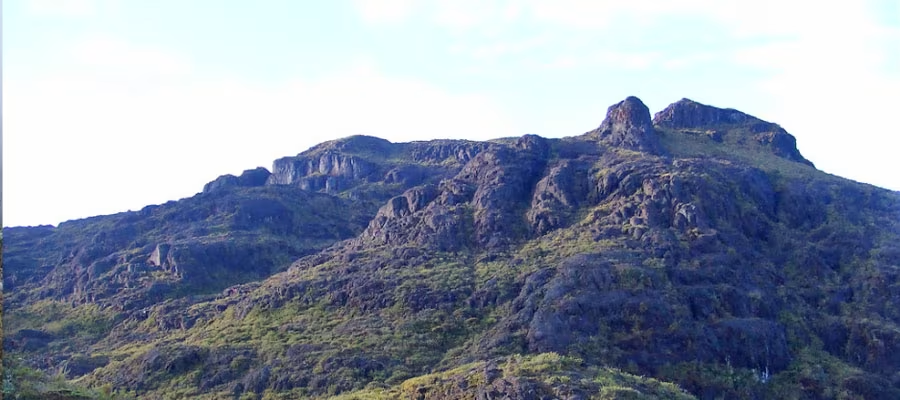
If you’ve ever dreamed of standing above the clouds in Costa Rica, welcome to Cerro Chirripó. Rising to 3,821 meters (12,536 feet), this is the highest point in the country, and trust me, the view is the kind that rewires your memory forever. From the summit, on a clear morning, you might see both the Pacific Ocean and the Caribbean Sea. Sounds impossible? It’s not. I did it, and it was surreal.
This article is your complete guide to hiking Cerro Chirripó: how to get permits, plan the trail, book a bed at the Crestones Base Camp, what to expect along the way, and how to actually enjoy the climb (spoiler: you will). Whether you’re a couple chasing cloud-kissed sunrises, a family of hikers looking for a challenge, or a duo of friends itching for something epic, this is your trail. We'll also cover gear tips, real experiences, and little tricks that made our journey smoother.
Let’s climb. My advise : rent a car to go there if possible.

Where is Cerro Chirripó and why go?
Cerro Chirripó is located in Chirripó National Park, part of the Talamanca Mountain Range in southern Costa Rica, near San Isidro de El General. It's not just about bagging the highest peak, it’s about trekking through different ecosystems, from cloud forests to paramo landscapes. You’ll hear howler monkeys at dawn, see hummingbirds flitting through the trees, and hike under skies that feel bigger than usual. Here’s why travelers love it:
Epic sunrise views from the summit (with luck, two oceans)
A rare alpine ecosystem in tropical Central America
Crestones Base Camp, nestled 3,400 m above sea level, feels like a remote mountaineer’s hut in Patagonia
No crowds, permits limit daily hikers, keeping the experience wild and quiet

How to get to Cerro Chirripó (and why San Gerardo is your base)
You’ll want to base yourself in San Gerardo de Rivas, a charming mountain village that's the gateway to the trail. From San José, it’s a 3.5 to 4.5-hour drive depending on traffic. This part of Costa Rica is often skipped by beach lovers, but for those of us drawn to the mountains, it’s a dream.Getting there tips:
Rent a car if possible (preferably with 4WD)
If you’re driving from the Pacific Coast, the route via San Isidro de El General is direct
Buses run to San Isidro, but from there, you’ll need a taxi to San Gerardo
San Gerardo de Rivas highlights:
Quaint lodges with hot tubs
Local coffee shops and mountain cuisine (you’ll burn calories on the trail, promise)
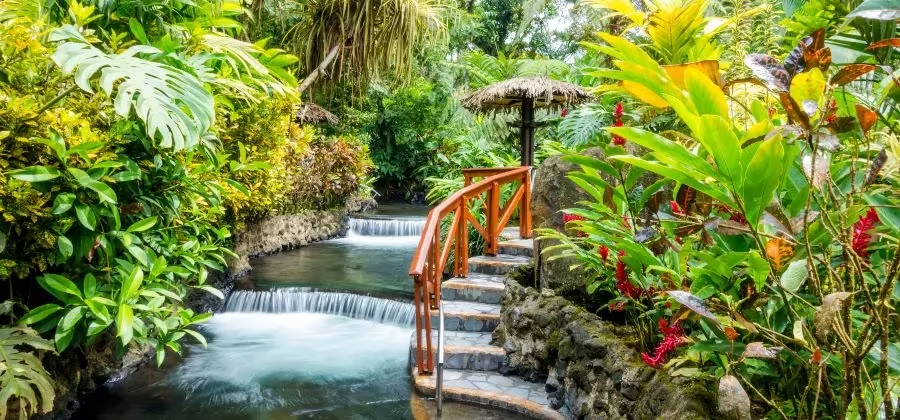
Nearby thermal baths to soak before or after your hike

The permit system: how it really works in 2026
Here’s the deal: You can’t just show up and hike. Cerro Chirripó is under strict protection. Only 60 hikers per day can enter the trail.
Step-by-step to get permits:
Book early via SINAC’s website (they release permits 6 months in advance)
You must reserve both:
Park entry
Accommodation at Crestones Base Camp (refugio operated by Consorcio Aguas Eternas)
You’ll also need to pay for meals or carry your own
Important tips:
Permits get snapped up quickly in dry season (Dec-May)
No guide is required, but it helps if you're not confident with navigation
Make sure your name matches your passport for entry
What to expect on the trail (yes, it’s tough, but stunning)
Let’s talk about the actual hike. You’ll start around 1,500 meters and ascend to 3,821 meters, that’s a vertical gain of over 2,300 meters in one go. And you feel every inch of it. But the trail is beautiful and changes dramatically as you climb.
Trail breakdown:
Day 1: San Gerardo → Crestones Base Camp (14.5 km)
Time: 6 to 9 hours
Elevation gain: ~2,200 m
Highlights: Cloud forest, Rio Chirripó, and the famous “Cuesta de los Arrepentidos” (the “Slope of Regret”, you’ll know why)
Day 2: Summit push at dawn
5 km round-trip from base camp
Start around 3:30-4 AM for sunrise
On a good day, you’ll see the Pacific and Caribbean at once
Optional Day 3: Rest or descend slowly

Let’s be honest: Cerro Chirripó is no walk in the park. It's a 20 km (12.4-mile) climb from San Gerardo de Rivas to the summit, with 2,300 m (7,500 ft) of elevation gain. But the scenery? Jaw-dropping, constantly changing, and totally worth it.
Starting the hike: Trail begins in San Gerardo, often before sunrise (yes, it’s pitch dark, bring a headlamp). The first 3 km are relatively gentle, through lush cloud forest with mossy trees and wooden bridges. You might spot coatis, hummingbirds, or even a trogon if you’re lucky.
The climb gets serious: Around km 4, the trail steepens, think slippery roots, rocky steps, and never-ending switchbacks. You’ll shed layers fast as your heart rate climbs, so dress in breathable gear. Hydration is critical: drink often, even if you’re not thirsty.
Midway at Llano Bonito (km 7): A small shelter with benches, ideal for a snack break and to catch your breath. No food for sale, so pack your own fuel (nuts, bars, dried fruit work great).
Welcome to the páramo: After km 8, the jungle gives way to high-altitude grasslands and colder winds. The landscape turns surreal: wide open views, strange alpine plants, and a silence that feels almost sacred. Mist can roll in fast, visibility drops, but it adds an eerie beauty to the place.
Rest at Base Crestones (km 14): Basic lodge with bunk beds, meals, and bathrooms. Booking in advance is mandatory (permits too). Most hikers stay the night and summit early the next morning.
The final push: The last 5 km to the summit are cold, steep, and rocky, take it slow. Sunrise is spectacular: on clear days, you might spot both the Pacific and Caribbean coasts. You’ll reach the highest point in Costa Rica at 3,820 m (12,533 ft), and it feels incredible.
The way down: Don’t underestimate the descent, your knees will feel it. Trekking poles are your best friends here.

Trail conditions:
Well-marked, but steep and muddy in spots
Temperature drops below freezing at night (layers are essential)
Altitude may kick in, take breaks and hydrate
What to pack (and what I wish I brought)
There are no stores once you start. Bring everything you need, and pack light, but smart.
Lightweight sleeping bag (the refuge provides bunk beds, but it’s cold)
Headlamp (for that 4 AM summit push)
Refillable water bottles (you can refill at camp)
Layers: T-shirt, thermal, fleece, rain jacket
Hat, gloves, neck buff
Hiking poles (a lifesaver on the way down)
Snacks and electrolytes (the meals at the refuge are basic)
Best time to go (and when to skip it)
Cerro Chirripó is open year-round, but let’s be honest, not all months are created equal.
Dry season (Dec-May)
Best time for hiking
Clear skies mean better summit views
Trail is less muddy
BUT: permits sell out fast (book 4-6 months ahead)
Rainy season (May-Nov)
Trail gets slippery, river crossings swell
Higher chance of cloudy or stormy summits
Easier to get permits, but the challenge level jumps
I hiked in March. The sunrise? Fire-orange over a sea of mist. Worth every blister.
Tips to recover after the trek (your legs will thank you)
Once you're back down, your legs will likely feel like overcooked spaghetti. Time for some R&R.
Hot springs: Visit Aguas Termales GEVI in San Gerardo for a natural soak. It's basic, local, and utterly satisfying after a 30 km hike
Eat well : Head to Café Cristina or Hotel Uran’s restaurant for a hot casado or banana pancakes
Sleep like royalty : One extra night in San Gerardo is a smart move, don’t try to drive far right after the hike
Things to do nearby if you’re not hiking (or want to explore after)
Even if you’re not summiting Chirripó, the area is gold for travelers.
Cloudbridge Nature Reserve: A stunning, donation-based trail system with waterfalls, cloud forest, and wildlife. No permit needed.
Waterfalls: Hike to Catarata San Gerardo or Cascada Uran
Coffee tours: Visit small fincas and taste beans grown in volcanic soil
Birdwatching: Quetzals, toucans, and more, especially early mornings
Think of it as the Osa Peninsula’s quiet cousin, minus the humidity and mosquitoes.

FAQ: hiking Cerro Chirripó
Do I need a guide? No, but it helps if you're unsure about the route or want more cultural context.
Is it safe to hike solo? Yes, as long as you're fit, have a permit, and let someone know your plans.
How cold does it get? Nighttime lows at Crestones Base Camp drop to 32-40°F (0-5°C). Dress in layers.
Are kids allowed? Technically yes, but the trail is very tough. Most hikers are teens or adults with solid fitness.
What about altitude sickness? It’s rare, but possible. Drink water, pace yourself, and sleep a night in San Gerardo to acclimatize.
Can I see both oceans from the summit? On a super clear day, yes. I got lucky. But even if you don’t, the views are jaw-dropping.
Conclusion
Climbing Cerro Chirripó isn’t just a hike, it’s a rite of passage in Costa Rica. Whether you're a thrill-seeking couple, a family with young trekkers, or friends chasing an unforgettable memory, this mountain delivers. It's raw, real, and remarkably rewarding. If you're planning the trip, renting a car gives you the flexibility to explore San Gerardo and the surrounding highlands at your own pace. Many hidden gems around Chirripó are only accessible with a vehicle, so book your car now and get ready to climb higher than you ever imagined.
Ready to explore Chirripó and beyond?
Check out Jumbo Car Costa Rica for affordable 4WD rentals with zero hidden fees and full support in English. Perfect for mountain roads and wild Costa Rican adventures.