
How to visit Irazú Volcano in Costa Rica
If you’re dreaming of standing on the edge of a massive volcanic crater with clouds rolling beneath your feet, Irazú Volcano might just be your next must-see in Costa Rica. Located about an hour and a half from San José, this otherworldly destination offers breathtaking views, moonlike landscapes, and a surprisingly easy day trip packed with both nature and history.
In this guide, I’ll walk you through everything you need to know to visit Irazú Volcano like a pro. We’ll cover the best time to go (and why you shouldn’t sleep in), entrance fees and park hours, what to wear and pack, how to get there from San José, how to rent a car for the trip, nearby places worth a stop (like the eerily beautiful Cartago ruins), and even where to grab a great cup of coffee on the way back. Plus, I’ll share a few of my own travel tips and little mistakes you can avoid.
Let’s get into it.
Why Irazú Volcano is worth the trip
Costa Rica has plenty of volcanoes, but Irazú stands out, literally. At over 11,000 feet (3,432 meters), it's the tallest active volcano in the country. On a clear day, you can see both the Pacific and Atlantic Oceans from the summit. That doesn’t happen often, but when it does? It’s absolutely mind-blowing.
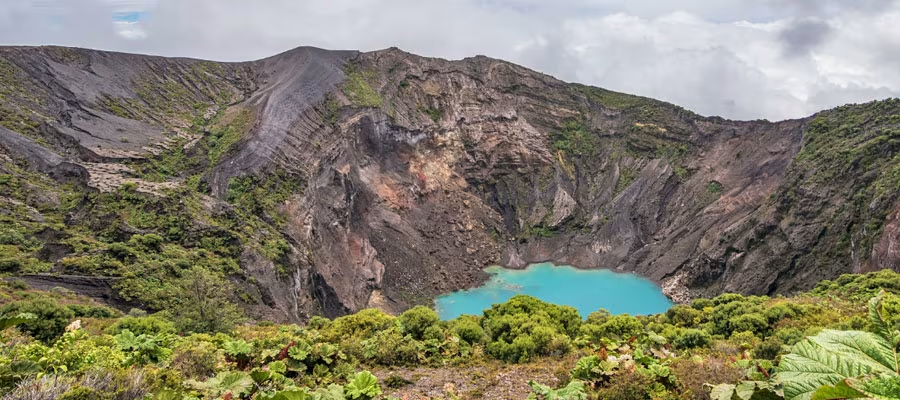
The main attraction here is the massive crater, with its deep turquoise lake (depending on the season) and jagged rock edges. It feels a bit like stepping onto Mars, except with fewer space suits and more windbreakers.
I’ve been to many volcanoes in Costa Rica, and Irazú remains one of the most surreal. The scale of the crater, the altitude, the stillness, it’s the kind of place where you actually stop talking for a while just to take it all in.
Getting there: best ways to reach Irazú Volcano from San José
Most visitors base themselves in San José, which makes Irazú a perfect day trip. Here's how to get there:
By car (the best option): If you're renting a car, you’re in luck. The road is fully paved and easy to drive. From downtown San José, take Route 2 east toward Cartago, then follow signs for Irazú. The total drive is about 1.5 hours if you leave early enough to avoid city traffic. Use Waze or Google Maps, but make sure you type in "Parque Nacional Volcán Irazú" as your destination, not just “Irazú,” or you might end up in a coffee farm (true story).
By tour or shuttle: If driving isn’t your thing, there are daily tours leaving from San José. Expect to pay around $60 to $90 for a guided tour including transport and entrance fees. Some include a stop at Cartago or the Orosi Valley.
By bus: There is one public bus a day leaving from San José (bus station at Avenida 2, Calle 1-3) at around 8 a.m., returning around 12:30 p.m. It’s the budget option (around $10 round trip), but you’ll have limited time at the summit.

Entrance fee, opening hours and facilities
The park is open every day from 8:00 a.m. to 3:30 p.m., but the last entrance is at 2:30 p.m. And trust me, you want to go early. The weather tends to be clearer in the morning, and the fog rolls in quickly, often by 10 or 11 a.m.
Entrance fee for foreigners: $15 USD per adult, $5 for kids
Parking: around 1200 CRC (less than $2)
Restrooms and snack bar available near the parking area
Morning is everything. I once showed up at 11 a.m. and saw… nothing. Literally nothing. Just fog and five very disappointed German tourists. I came back two days later at 8 a.m. Clear blue skies and a turquoise crater. Worth the second try.
What to expect once you reach the crater
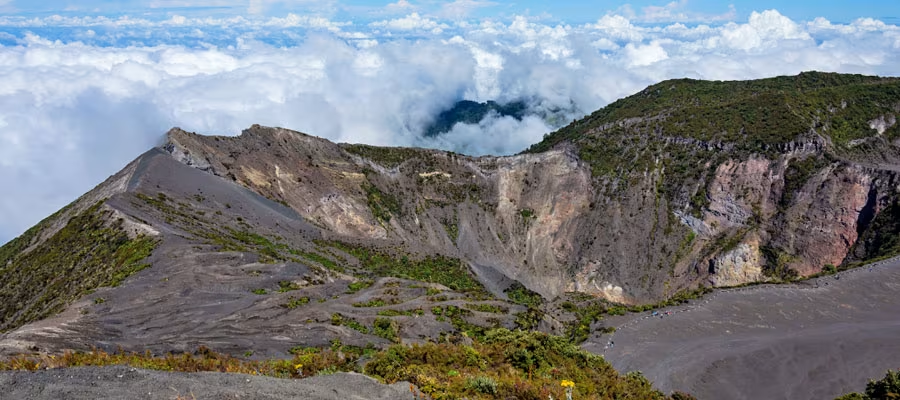
After checking in at the park entrance and driving a short distance up to the parking lot, you’ll immediately feel the altitude. Literally. You’re at over 11,000 feet, so even short walks can feel like mini-hikes. Take it slow, drink water, and don’t rush, this place is meant to be savored.
There’s a wide, gravel path that leads you directly to the main crater viewpoint, and it's an easy walk (about 300 meters). On a clear day, the view is unforgettable: a massive, green-blue lake nestled in a perfectly circular crater, with stark volcanic walls surrounding it like something out of a sci-fi movie.
You’ll also notice the Diego de la Haya crater, smaller but striking in its own way. There are informational signs, minimal guard rails, and tons of photo ops.
Tip: If you want those classic “tiny human, huge crater” shots, walk to the far-left side of the platform where fewer people gather.

Dress smart: weather and altitude tips
Here’s the thing: even if it’s 85°F in San José, Irazú might feel like winter. It’s cold, often windy, and the sun(when it’s out) is deceptively strong.
Bring layers. A hoodie, windbreaker, and even a light scarf aren’t overkill.
Wear closed shoes. The terrain is dry, dusty, and rough in spots.
Don’t forget sunscreen. The altitude amplifies UV rays, even on cloudy days.
Bring water and a snack. The park’s little snack bar doesn’t always have much variety, and altitude makes hydration extra important.
Fun fact: Irazú once saw snow. That’s rare for Costa Rica, but it tells you just how chilly it can get up here.

Extend your day: what to see nearby
You came all the way up here, so make the most of it. Here are a few stops worth your time on the way back:
Prusia Forest (Sector Prusia)
Part of the Irazú park system, this forested area is just a 10-minute drive away. It offers hiking trails through cool, misty pine woods, perfect for stretching your legs and breathing in some high-altitude freshness. There’s a small entrance fee ($2-$3), and the trails are peaceful and rarely crowded.
Cartago ruins and Basilica
Head down into the valley and visit Cartago, Costa Rica’s former capital. The Ruins of Santiago Apóstol are hauntingly beautiful, a crumbling church destroyed by earthquakes. Right next door, the Basílica de Nuestra Señora de los Ángeles is the country’s most important religious site, with stunning architecture and a sacred water fountain people collect from in bottles.
Coffee stop with a view: Tierra de Café
This small café on the road back to San José is a hidden gem. Local coffee, delicious empanadas, and a panoramic view of the valley below. Grab a table outside, sip slowly, and savor the altitude buzz.
Personal tip: their homemade banana bread is killer. Especially after a cold morning up the volcano.
On my first visit to Irazú, I got there at 7:45 a.m., parked, and stepped out into what I thought was a stiff breeze. Within 60 seconds, my hat was gone, my face was frozen, and I was laughing uncontrollably at how completely unprepared I was. Then I walked to the edge of the crater. And stopped. It was dead quiet. No birds. No wind sounds. Just the deep silence of volcanic earth. I’ve never felt so small... or so calm.
FAQ: all you need to know before visiting Irazú
How much does it cost to visit Irazú volcano? As of 2026, entry is $15 for foreigners (adults), and about $5 for kids. Parking is around $2. Make sure to book online via Sinac’s official website to secure your spot, especially on weekends.
What’s the best time to visit? Early morning. Aim to be at the gate by 8 a.m. if you want to beat the clouds and crowds. Dry season (December to April) gives you the best chance for clear views.
Can you hike inside the crater? Nope. It’s a protected area. But you can walk the perimeter and explore side trails in the Prusia Sector.
Is it safe to drive there? Yes, absolutely. The road is paved and well maintained, though it’s winding and steep in parts. A compact car is fine, but a small SUV gives more comfort for mountain driving.
How long should I plan for the visit? Plan around 2 to 3 hours at the top, plus travel time. If you add lunch or a visit to Cartago, it becomes a great half-day or full-day trip from San José.
Is it good for kids? Yes! Easy trails, exciting scenery, and the “wow” factor of a real volcano make it a fun (if chilly) adventure for families.

Final thoughts: why Irazú should be on your Costa Rica itinerary
Costa Rica has no shortage of waterfalls, beaches, and jungle hikes. But Irazú hits differently. It’s not just another scenic stop, it’s the kind of place that makes you feel like you’ve landed on another planet. Between the lunar landscapes, the crisp mountain air, and that deep, silent crater, it’s a refreshing contrast to the tropics below.
If you're planning to stay in the Central Valley, Irazú is one of the most memorable day trips you can take. Easy to reach, stunningly beautiful, and full of little side adventures if you have a curious spirit (and a camera).
Need wheels to get there?
A rental car is your best bet. Public buses are limited and slow, and tours rush you. Renting a small SUV or a 4x2 gives you the freedom to go early, take detours, and stop for coffee or viewpoints whenever you like. Whether you're starting in San José, Alajuela, or Cartago, having your own car makes the whole trip smoother, and a lot more fun.
Looking for a reliable rental? Jumbo Car has you covered with great prices, full insurance options, and a fleet that’s road-trip ready. Check availability now and start planning your volcano adventure!