
La Fortuna Waterfall in Costa Rica
La fortuna waterfall, costa rica: how to visit, hike, and swim this natural wonder
If you’re planning a trip to Costa Rica and wondering if La Fortuna Waterfall is worth the stop , short answer: yes. Long answer? Keep reading, because this place isn’t just another pretty postcard. It’s a 230-foot cascade tucked into the lush jungle near the base of Arenal Volcano, and whether you’re a seasoned hiker or just want a place to swim beneath a real-life waterfall, it’s one of those experiences that sticks with you.
In this guide, I’ll walk you through everything you need to know before visiting La Fortuna Waterfall. We’ll cover entrance fees, how many steps you’ll have to tackle, the best times to visit, swimming safety tips, what to pack, nearby activities, and whether you really need a guide or not. I’ll also throw in some personal tips and real-world moments that you won’t find on Tripadvisor (like how slippery those stairs really are after a rainstorm… ask my left knee).
Whether you're driving in from San José with a rental car, staying nearby in La Fortuna town, or including this stop in your Arenal/Monteverde loop, consider this your no-fluff, traveler-tested playbook for making the most of it.
La Fortuna Waterfall at a glance
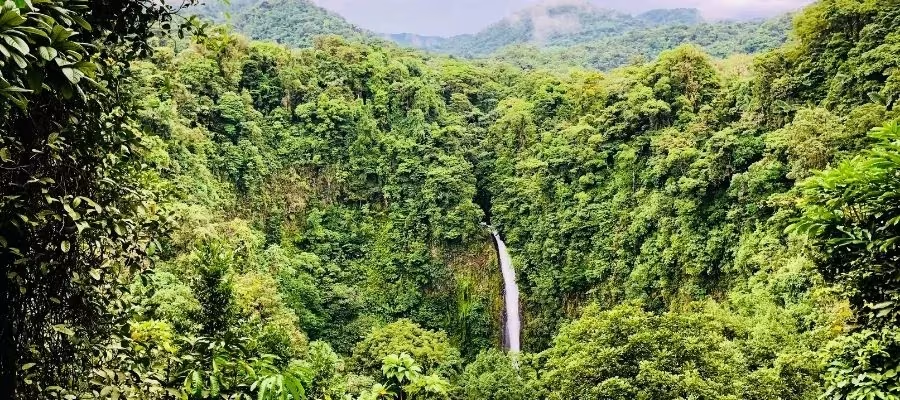
Let’s start with the basics. La Fortuna Waterfall (Catarata La Fortuna) drops more than 70 meters (about 230 feet) into a deep turquoise pool, surrounded by tropical forest and steep volcanic cliffs. It’s part of a protected reserve managed by the Asociación de Desarrollo Integral de La Fortuna, and the revenue supports local community and conservation projects, which helps explain the slightly higher entrance fee compared to other spots.
You won’t need hours to visit, but you will need a bit of leg power. There are about 530 steps down to the base, and of course, the same number on the way back up. It’s a short hike in theory, but in the heat and humidity, those stairs feel longer than they look, especially if you skipped breakfast.
Practical information
The waterfall is located just 6 kilometers (≈ 10 minutes) from downtown La Fortuna. You can drive yourself (easy gravel road, totally doable with a compact rental), grab a taxi for a few bucks, or book a tour, but honestly, if you have a rental car, this one’s better done on your own schedule.
Opening hours are 7:30 am to 4:00 pm daily, with last entry at 4 pm,
The entrance fee is $18 USD per adult (as of 2026). Kids under 8 are free, and locals pay a reduced rate.
A local guide will cost you between $50-$55
There’s free parking,
A well-maintained entrance area with restrooms, a café, and a small souvenir shop that sells everything from water bottles to locally made chocolate.
Tip : arrive before 9 am or after 3 pm to avoid the big tour crowds. Midday gets packed with groups coming from Arenal and Monteverde.

What to expect from the hike
The trail is essentially a stairway carved into the hillside, with a mix of stone, concrete, and metal platforms. It’s sturdy, safe, and well-marked, but it’s still steep, and with the humidity, it becomes a full-body workout. There are shaded rest points and a few scenic lookouts where you can snap a photo (or catch your breath without pretending you’re just admiring the view).
The descent usually takes 10 to 20 minutes, depending on your pace and photo stops. Coming back up takes 15 to 30 minutes, especially if you’re traveling with kids or not used to stairs.

Swimming, safety, what to pack, and the “guide or no guide” dilemma
A cool swim after a hot climb
The first thing you notice at the bottom is the mist. It drifts off the waterfall like chilled vapor from a giant humidifier gone rogue. Step closer and you feel the roar in your chest, loud but oddly calming. Most visitors head straight for the pool on the right, a deep jade basin where you can take a quick dip. The water comes straight from the forested slopes of Cerro Chato, so it sits around 72 °F (22 °C) year-round, brisk but not ice-bath brutal.
I eased in, gasped like someone who just found out maple syrup isn’t always vegan, then floated on my back while white-collared swifts did aerial loops overhead. Ten seconds later I was grinning like a kid at recess.
Basic swimming rules
Stay in the marked zone, currents near the falls are strong.
Water shoes help; the riverbed is rocky and slippery.
Life jackets are available at the ranger hut if you need extra buoyancy.
Families often set up just downstream where the water shallows out, great for kids who want to splash without getting pulled into deeper churn.

What to bring (and what to leave in the car)
item | why it matters | pro tip |
Reusable water bottle | 500 stairs feel longer without hydration | Refill at the visitor center, skip plastic |
Quick-dry towel | The air is humid, cotton stays damp | Pack it in a dry bag to keep your phone safe |
Sturdy sandals or trail runners | Steps get slick after rain | Tevas or Keens work, flip-flops don’t |
Light rain jacket | Showers pop up fast in the tropics | Stuff it at the top if the sky looks clear |
Small bills | Smoothies and parking tips | Vendors prefer cash |
Leave valuables locked in your trunk, keep the ticket stub visible on the dashboard, and don’t tempt fate by stashing electronics under the seat. Break-ins are rare but why risk it.

Do you need a guide?
Short answer : probably not. The trail is straightforward and the reserve is well signed in both Spanish and English. A guide can add context about local flora, fauna, and geology, which is great if you’re curious about the difference between a strangler fig and a ceiba tree. Tours hover around $40 to $55 USD per person and often bundle transport, snacks, and quick stops at viewpoints most self-drivers miss.
If you’re traveling solo and want company, or if mobility is a concern and you’d like someone to pace you, a guide makes sense. Otherwise, save that cash for a post-hike smoothie bowl in town.
Staying safe on the steps
The stairway is sturdy, but humidity mixed with leaf litter can turn some patches into a natural Slip ’N Slide. Hold the rail where available, pace yourself, and remember that going slow is perfectly fine. This isn’t a race, except maybe against the afternoon rain.
If it starts pouring mid-visit, rangers may whistle everyone out for safety. Lightning loves high ridges and exposed pools, so heed their call.

Timing your visit
Dry season (Dec - Apr) brings clear skies, bigger crowds.
Green season (May - Nov) means more water volume, vibrant foliage, and lighter traffic.
Arrive before tour buses (8 am-9 am) or last entry (3 pm) for softer light and fewer selfie sticks.
What to do after visiting La Fortuna waterfall
You climbed the steps, took the plunge, and maybe even snapped a few pics that’ll live rent-free on your Instagram for years. But the area around La Fortuna isn’t done impressing you just yet.
Here are my favorite things to combine with a visit to the waterfall:
Soak in natural hot springs: After a chilly dip under the waterfall, soaking in Tabacón, Baldi, or Ecotermales feels like flipping a switch to “pure bliss.” Prices range from $20 to $75 depending on whether you want lunch, cocktails, or private pools.
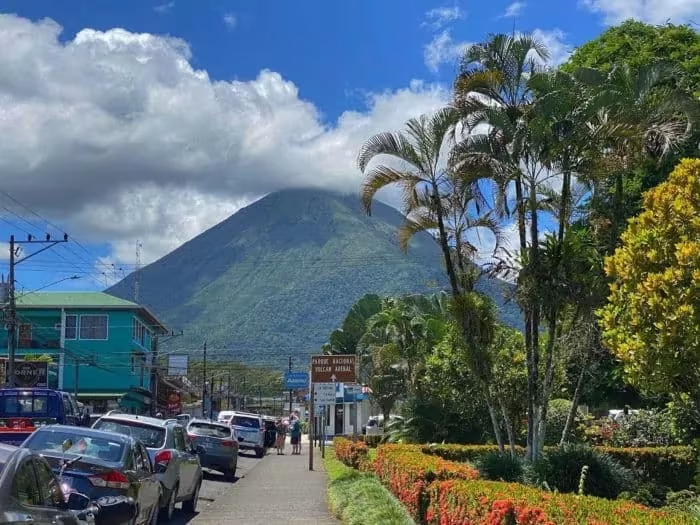
Explore Arenal Volcano National Park: Walk the trails through old lava flows, spot coatis along the way, and get panoramic views of Arenal Volcano. The 1968 Trail is a favorite if you want a moderate hike without the crowds.
Zip-lining and canopy bridges: Sky Adventures offers one of the best canopy circuits in the country. It’s not just for adrenaline junkies, even my cautious aunt loved it, and she still brags about “flying” through the rainforest.
Visit a chocolate and coffee farm: Learn how cacao beans become chocolate bars at Don Juan Tours, or sip freshly roasted coffee brewed the old-school way. Tours are family-friendly, super informative, and often include generous tastings.
La Fortuna town: It’s worth a wander: colorful murals, relaxed cafés, and tasty sodas (local diners) serving casados with chicken, beans, rice, plantains, and salad for $6-$8.
Sample half-day itinerary
If you’ve got just one day around La Fortuna and want to hit the waterfall, here’s how I’d do it:
7:30 am: Drive out, arrive just before the gates open. Park, grab tickets, hit the trail.
9:15 am: Finish your swim, rest at the top with a cold coconut or batido.
10:00 am: Head to a nearby hot spring resort, Ecotermales is more low-key, Tabacón if you want fancy.
12:30 pm: Lunch in town, maybe ceviche or a veggie casado at Café Mediterráneo.
2:00 pm: If you’re still energized, drive out to Arenal Volcano for a short trail before sunset.
With your own car, this loop is easy. Rely on shuttles or taxis, and you’ll be negotiating schedules instead of soaking up jungle time.
FAQ : La Fortuna waterfall essentials
Can you swim at La Fortuna waterfall? Yes, in the pool at the bottom, but stay within the marked safe area.
Is it stroller- or wheelchair-friendly? Unfortunately, no. There are hundreds of stairs and no accessible ramps.
Do I need to book in advance? Not required, but in peak season (Dec-Apr), pre-booking online saves time.
Is there food on site? Yes, there’s a small café with smoothies, snacks, and Costa Rican staples.
What’s the best time of day to visit? Early morning for fewer people and gentler light. Late afternoon if you want softer temps and golden hour vibes.
Final thoughts: take the wheel and make it your own
La Fortuna waterfall is one of those rare places that lives up to the hype. The sound of the falls, the dense greenery, the adrenaline of the descent, it all clicks. But what makes the experience truly special is everything you can connect around it.
Having a rental car changes the game. You’re free to zig when the tour groups zag. You can stop for empanadas at a roadside stand, pop into a hot spring you spot on a whim, or reroute your day if a trail looks more tempting than expected.
If you're planning a Costa Rican road trip, start your journey in La Fortuna with the freedom of four wheels. Book your car now, and let the road take you where the jungle hums, the waterfalls roar, and your adventure unfolds, no tour bus required.
