
Top Things to Do on Cocos Island, Costa Rica
If you're dreaming of an untouched tropical island, swarming with marine life, far from crowds and cruise ships, Cocos Island (Isla del Coco) is your holy grail. Sitting 340 miles off the Pacific coast of Costa Rica, this UNESCO-listed national park is famous among divers, shark lovers, and hardcore adventurers.
This article covers how to get there, why it’s worth the journey, what kind of wildlife to expect, and practical tips for planning your expedition. Whether you're traveling as a couple, a curious family, or an adventure crew ready for something wild, we’ve got you.
Where is Cocos Island and why is it so special ?
Cocos Island is basically Jurassic Park, minus the dinosaurs. Located in the eastern Pacific Ocean, this volcanic island rises dramatically from the sea, wrapped in misty rainforests and dramatic cliffs.
But the real action? It’s underwater.
Cocos is world-renowned for:
Massive schools of scalloped hammerhead sharks
Giant manta rays, whale sharks, and white-tipped reef sharks
Huge schools of jacks and tuna, plus dolphins and turtles
Rare sightings of tiger sharks, false killer whales, and even orcas
The currents here are strong, the dives are deep, and the pelagic life is mind-blowing. This isn’t your average tropical snorkeling trip, this is advanced-level diving at its finest.

How to get to Cocos Island
There’s only one real way to reach Cocos Island: by liveaboard dive boat. These boats depart from Puntarenas, on Costa Rica’s Pacific coast, and the journey to the island takes around 36 hours, one way. Yes, you read that right.
Departure port: Puntarenas
Duration: 10-day expedition (on average)
Cost: $4,500-$6,000 USD per person, depending on the operator, time of year, and cabin type
There are only a handful of licensed dive operators authorized to access the island. Most trips last about 7 to 10 nights, with 3 to 5 full days of diving around the island.
You can’t go independently. You can’t just “visit for a day.” And unless you're part of a scientific mission, diving is the only legal way to set foot in Cocos (aside from the small ranger station).
What diving around Cocos Island really looks like
Let’s be clear: diving at Cocos isn’t beginner stuff. The water’s deep. The currents are strong. And most dives are drift dives off pinnacles and seamounts that rise dramatically from the ocean floor.
But oh, the payoff.
A typical dive starts before breakfast. You’ll gear up, drop in, and, bam! within minutes, you might see 50 hammerheads gliding past like ghost submarines. In between, huge schools of jacks, eagle rays doing flybys, and maybe a lazy turtle cruising in for a cameo.
A few of the best dive sites include:
Bajo Alcyone: Famous for massive hammerhead schools and strong currents
Dirty Rock: Mantas, dolphins, Galapagos sharks
Manuelita Coral Garden: Ideal for white-tip reef sharks and occasional tiger sharks
Punta María: A deeper site, but wild for spotting tiger sharks
Other information:
Dive depth: 20-35 meters (65-115 feet)
Water temp: 75-82°F (24-28°C), depending on the time of year
Visibility: 60-100 feet, usually better in the dry season
Pro tip: bring your own dive computer, 5mm wetsuit, and reef-safe sunscreen. Oh, and motion sickness pills for that 36-hour crossing.
Planning your trip to Cocos Island: key facts to know
Access is strictly regulated: Only two licensed operators are allowed to run liveaboard dive trips to Cocos Island: Aggressor Adventures and Undersea Hunter.
Limited departures: These companies usually offer 1 to 2 trips per month max.
Small groups only: Each boat has a limited number of cabins, typically accommodating around 18 to 20 divers.
Book way in advance: Due to high demand and few departures, trips often sell out 12 to 24 months ahead (yes, really).
Best time to go: From June to November, when plankton-rich waters attract hammerhead sharks, whale sharks, giant mantas, and more.
Conditions: Expect deep dives, strong currents, and limited visibility at times, this is advanced-level diving.
No day trips possible: The island is 550 km offshore, so only 7 to 10-day liveaboard expeditions are viable.
No shell, rock, coral collecting: Visitors are strictly prohibited from removing any natural item (such as shells, rocks, corals, wood, plants, seeds, or sand) from the island or surrounding waters.
If you're dreaming of diving Cocos, plan like you're booking a once-in-a-lifetime expedition, because that’s exactly what it is.
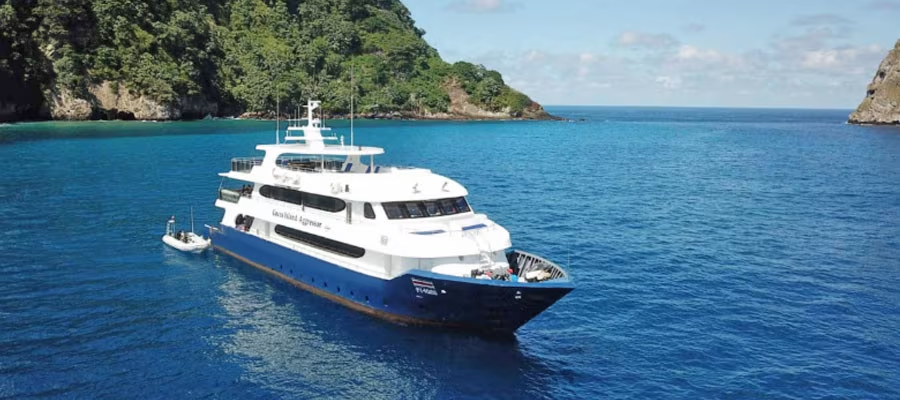
Agressor Adventure
What to expect on a liveaboard dive trip
Let’s talk about life onboard, because you’ll spend 10+ days living, eating, sleeping, and diving on a boat. Here’s the usual rhythm:
Day 1-2: Depart Puntarenas, cruise to the island (roughly 36 hours)
Day 3-7: Dive 3-4 times daily, explore the surface between dives
Day 8-10: Return to mainland
Meals are hearty, cabins are cozy, and the crew? Total pros. Some boats include a naturalist or marine biologist onboard, which adds great insight.

Wildlife above the waterline
While most of the action happens underwater, the island itself is stunning. Covered in dense rainforest, it's home to several endemic species found nowhere else on Earth:
Cocos cuckoo
Cocos finch (a relative of Darwin’s finches)
Endemic lizards and tree frogs
Spectacular waterfalls, some over 100 feet high
You won’t hike around freely(access is restricted to protect the ecosystem) but some boats arrange ranger-guided land tours if conditions allow.
It’s not Jurassic Park just by reputation. It truly feels prehistoric.

When to go for what:
Hammerheads: All year, peak from June to November
Whale sharks: September to December
Manta rays: Year-round, especially May-November
Tiger sharks: Unpredictable, but seen more often lately
Dolphins & reef sharks: Year-round
Orcas & false killer whales: Rare, but occasionally spotted from the boat
Best dives: Alcyone, Manuelita, Dirty Rock

What to pack for a Cocos Island expedition
Packing for Cocos is all about planning for isolation, saltwater, and long days. There are no stores out there, so come prepared.
Essentials:
Your own dive gear (some boats rent, but it’s best to bring your own)
A 5mm wetsuit (7mm if you're sensitive to cold)
Reef-safe sunscreen
Dramamine or motion sickness wristbands
Waterproof dry bag
Backup batteries and memory cards (you’ll take hundreds of photos)
A good headlamp for night use on deck
A paperback or two (Wi-Fi’s not a thing out there)
Bonus tip: Bring snacks! After a few days at sea, even a pack of Oreos feels like a luxury.
What to do before or after your Cocos Island trip
You’ll be departing from Puntarenas, so take time to explore nearby areas once you’re back on land:
Monteverde Cloud Forest: A total contrast to Cocos, lush and cool
Arenal Volcano: Hot springs, waterfalls, and hiking to stretch your legs
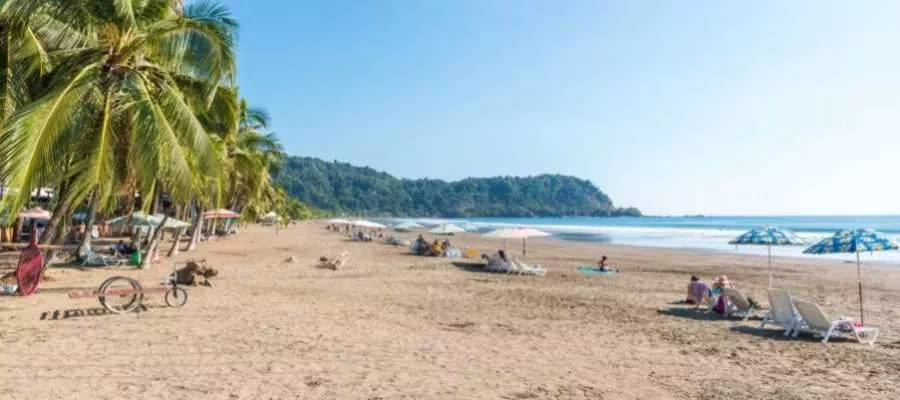
Jaco or Playa Hermosa: Surf towns where you can just chill post-expedition
Need to reset your land legs? Book a massage or thermal spa day in Arenal before flying out. You'll thank yourself.
Frequently asked questions about Coco Island
Is Cocos Island safe to visit? Yes, but it’s remote. You’ll be with professional crews, and safety is a priority. Just respect the conditions and follow your dive guide.
Can I visit Cocos without diving? Technically yes, but practically no. There are no regular ferries, hotels, or hiking trails. Cocos is for divers.
Do I need special permits? Your liveaboard operator handles all that, including the $35/day park fee.
Can I fly to the island? Nope. It’s boat access only. You’ll need to budget time for the crossing (and the return).
What marine life is guaranteed? Nothing’s ever guaranteed, but hammerheads, reef sharks, and schools of jacks are very common. Some divers even report seeing 300+ sharks in a single dive.
Final thoughts: why Cocos Island is worth the journey
Cocos Island isn’t a place you stumble across. It’s the kind of trip you plan, you save for, and you remember forever. It’s wild. Raw. Humbling.
It’s waking up to the scent of salt and coffee, pulling on a damp wetsuit, and dropping into a world so alive, so cinematic, it makes you forget the rest of the planet exists.
Whether you're a couple chasing once-in-a-lifetime dives, a small group of friends seeking adventure, or a seasoned traveler ticking off bucket list wonders, Cocos delivers something unforgettable.
And yeah, it’s not cheap or easy to reach. But some places are worth the effort.
Ready to explore Costa Rica beyond Cocos?
Rent a car with ease in San José or Liberia and hit the road toward Costa Rica’s volcanoes, beaches, and cloud forests. You’ve seen what lies offshore, now see what magic awaits inland.
Start your road trip with Jumbo Car Costa Rica! Reliable rentals, recent vehicles, and easy pickup near both airports. Explore vehicles and book online here
