
Coffee in Costa Rica
Why Costa Rica is a must for coffee lovers
If you're planning a trip to Costa Rica and love your daily cup of joe, you're in for a real treat. This small but mighty country produces some of the finest Arabica coffee in the world, grown in volcanic soil at high altitudes and handpicked with care. But here's the thing, tasting Costa Rican coffee in Costa Rica hits different. It’s not just a caffeine fix, it’s a cultural experience.
In this article, I’ll walk you through everything you need to know:
Where Costa Rican coffee is grown,
What makes it so special,
How to visit authentic coffee plantations,
and which tours are actually worth your time (and your taste buds).
You’ll also get insider tips on what to look for when buying beans to take home, and how to plan a visit that fits your itinerary, whether you're flying into San José or heading to the Central Valley, Monteverde, or even the Nicoya Peninsula.
Bonus tip: Renting a car at the airport makes it super easy to explore coffee farms tucked in the hills, and trust me, some of the best ones are off the beaten path.

What makes Costa Rican coffee so special?
Costa Rica doesn’t just grow coffee, it perfects it. A very high quality coffee By law, only 100% Arabica beans can be cultivated here, which already sets the standard high. But it’s the country’s unique geography that truly gives traditional Costa Rican coffee its edge: rich volcanic soil, high altitudes (often between 1,200 and 1,800 meters), and a near-perfect climate with distinct wet and dry seasons.
The result? A clean, balanced cup with bright acidity, medium body, and notes that can range from citrus and red berries to chocolate and honey, depending on the region. If you're used to drinking diner drip or generic supermarket blends, your first sip of freshly brewed café chorreado here might just blow your mind.
And it’s not just about taste. Coffee in Costa Rica is a point of pride. Families have passed down knowledge and tradition for generations, and many plantations are small-scale, family-owned fincas that operate with care and sustainability. You won’t just see beans, you’ll meet the people behind them.

Best coffee regions in Costa Rica (and where to visit)
Costa Rica’s coffee-growing regions are scattered across the Central Valley and the highlands, each with its own twist of flavor and vibe. If you're planning to visit a coffee farm (which you absolutely should), here are the top areas to consider:
Central Valley (Alajuela & Heredia): This is the most accessible region from San José and home to many historic plantations. Think of it as the Napa Valley of Costa Rican coffee. The altitude, fertile volcanic soil, and steady rainfall make for smooth, balanced brews. Top spots to visit: Doka Estate (Heredia), Hacienda Alsacia (Starbucks’ global farm, in Alajuela).
Tarrazú: Arguably the country’s most famous coffee region, located southeast of San José. Its high altitude and cooler climate give the beans a punchy acidity and complex aroma, great for coffee nerds. Don’t miss: Small producers in San Marcos and Santa María often offer immersive tours with tastings and traditional chorreador brewing demos.
Naranjo & West Valley: These lesser-known regions are still close to the capital and produce high-quality beans with more floral and fruity notes. Top tip: Combine a visit to a coffee farm with nearby waterfall hikes or hot springs.
Turrialba & Brunca: Closer to the Caribbean side, these regions are gaining traction. Brunca is ideal for eco-tourism lovers thanks to its lush landscapes and sustainable farming efforts. Turrialba beans are smooth and mellow, perfect for espresso.


How to visit a coffee plantation in Costa Rica (and what to expect)
Visiting a coffee farm during a coffee tour in Costa Rica is more than just sipping a fresh cup, it’s a full-on sensory and cultural experience. Most tours last between 1.5 and 3 hours and walk you through the entire coffee production process, from bean to brew.
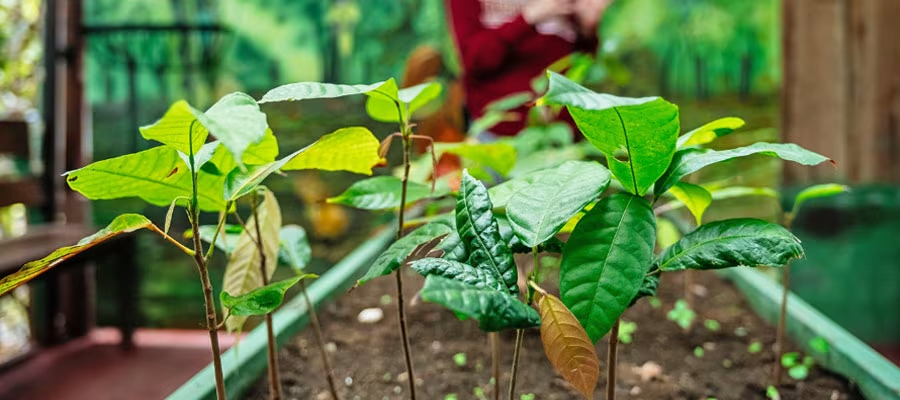
You’ll typically start in the fields, where guides explain how altitude, soil, and climate affect the quality of costa rican coffee beans. You’ll see the coffee cherries up close (yes, they look like cranberries), and depending on the season, you might even try your hand at picking. From there, you’ll visit the processing station and roasting house, the air gets thick with that deep, nutty aroma of fresh-roasted coffee. It’s a dream.
Practical tips:
Best time to go: Harvest season runs from November to February, that's when farms are busiest, and you can see more of the action.
What to wear: Comfortable walking shoes (some tours involve light hiking), sunscreen, and a hat.
Cost: Tours generally cost between $20 and $35 USD per person, often with a tasting session included.
Booking: Always book ahead, especially in high season. Some farms have daily tours, while others only offer them on weekends.
And of course, there’s a gift shop. Don’t leave without grabbing a bag or two, local coffee beans make the best souvenirs.
Best coffee experiences and tours to book
If you want the full Costa Rican coffee experience, a tour is absolutely worth it, not only for the caffeine fix, but for the deeper connection to the country’s culture, history, and landscapes.
Here are a few standout options:
Doka Estate Coffee Tour (near Alajuela)
Just 45 minutes from San José Airport, this large plantation offers one of the most accessible and comprehensive tours. You’ll explore the bean cycle, visit the century-old water mill, and sip on unlimited cups of their award-winning blends.
Cost: Around $28 USD for the basic tour, or $42 with lunch included
Duration: About 1 hour
Schedule: Tours available Monday to Friday from 8:00am to 3:30pm, and weekends until around 2:30pm
Good to know: Lunch upgrade is worth it for foodies, and booking ahead is smart during the dry season (December to April)

Don Juan Coffee Tour (Monteverde)
This is a favorite for travelers already heading to Monteverde. It’s more than just coffee, this tour also includes chocolate and sugarcane, all grown on-site. The guides are knowledgeable and fun, and the views over the hills? Absolutely stunning.
Cost: About $45 USD for adults (13+), $20 USD for kids aged 7–12
Duration: Roughly 2 hours
Start times: Typically 8:00am, 10:00am, 1:00pm, and 3:00pm
Good to know: Best time to visit is during the harvest season (November to February), when you might see coffee being picked

Café Britt Tour (Heredia)
Café Britt puts on a fun, theatrical experience that mixes storytelling and education. It’s lighthearted, family-friendly, and a bit more commercial, but still a great intro to Costa Rican coffee culture. Expect tasting sessions, a roasting demo, and plenty of laughs.
Cost: $31 USD for the Classic Tour (non-resident adults), $25 for children (ages 6–12); options with lunch or transportation start around $48–56 USD
Duration: About 1.5 hours
Good to know: This is the best choice for families or first-time visitors who want a fun, easy-to-follow experience close to San José

Hacienda Alsacia Coffee Tour (near Heredia/Alajuela)
Owned by Starbucks, this scenic farm is just about an hour from San José Airport and offers one of the most polished, informative coffee experiences in Costa Rica. You’ll learn about coffee varietals, sustainability practices, and how Starbucks supports local farmers.
Price: $35 USD for adults (discounts for residents and students)
Duration: About 1.5 hours
Location: 1 hour from San José, great stop on the way to Poás Volcano
Tip: Book your spot online, tours fill up in high season

Pro tip: Some of these tours can be combined with volcano visits or ziplining adventures nearby, so you can make it a full-day outing!
FAQ about Costa Rican coffee
Is Costa Rica known for good coffee? Absolutely! Costa Rica is famous worldwide for its high-quality Arabica beans, grown at high altitudes in rich volcanic soil. Many travelers find it’s the best delicious coffee they’ve ever tasted.
Can you visit coffee plantations in Costa Rica? Yes! Coffee tours are a popular activity for tourists. You can find guided tours near San José (like Doka or Britt), in Monteverde, and even in rural mountain regions like Tarrazú or Los Santos.
What kind of coffee beans grow in Costa Rica? Costa Rica coffee industry only allows the cultivation of 100% Arabica beans, considered the highest quality. Varieties like Caturra and Catuai are commonly grown, each with unique flavor profiles.
When is the best time to take a coffee tour in Costa Rica? The harvest season runs from November to March, so that's when you'll see the full process of coffee farmers, from picking the red coffee cherries to drying and roasting the beans. But most tours run year-round.
Can I buy coffee to bring back home? Definitely! You’ll find bags of freshly roasted Costa Rican high quality coffee in plantation gift shops, local supermarkets, and even duty-free at the airport. Look for sealed bags labeled “100% Arabica” and with roasting dates as recent as possible.
Do I need to book coffee tours in advance? If you're traveling in high season (December–April), it's a good idea to book at least a few days ahead. Some costa rica coffee tours offer same-day spots, but the best ones tend to fill up.

Quick recap: why Costa Rica is a coffee lover’s dream
From lush highland plantations and hands-on coffee tours to sipping the freshest brew with a volcano view, Costa Rica offers more than just good coffee. It’s a full-sensory, culture-rich, locally rooted experience. If you love your morning cup, you’ll love discovering where it all begins.
Need a ride to explore the best coffee regions? Rent a 4x4 or SUV from San José Airport and go off the beaten track to explore hidden plantations, scenic mountain towns, and authentic coffee fincas.