
Top Things to Do in Turrialba, Costa Rica: Volcano & Adventure Hub
Curious about Costa Rica beyond the beaches and canopy tours? Meet Turrialba, a blend of active volcano views, roaring rivers, and laid-back countryside charm. This isn’t your average tourist stop; Turrialba is where adventure, culture, and local life collide.
In this guide, I’ll show you:
Why Turrialba is a must-visit destination
How to hike the volcano safely with all the logistics
Where to raft epic rapids on the Pacuare & Reventazón
Eco‑experiences from biking through TRARE to visiting coffee & cheese farms
Wildlife and cultural detours around town
All the practical bits: how to get there, what to pack, and when to visit
Whether you’re a couple chasing active mornings, a family craving safe yet thrilling days out, or a group of friends ready to explore real Costa Rica, you’ll find something special here. Let’s dig in.
Heading to Turrialba? Renting a car is highly recommended. It gives you the freedom to explore the town, nearby waterfalls, coffee farms, and even Guayabo National Monument

Hike to Turrialba Volcano - how to get there, what to expect
A volcano you can almost touch
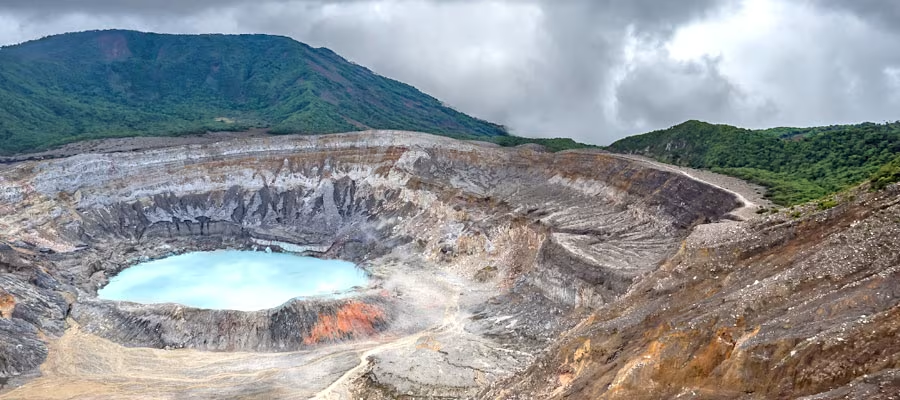
Towering at over 3,300 meters, Volcán Turrialba is one of Costa Rica’s most active volcanoes. After a decade of restricted access due to eruptions, the national park reopened in 2020, with new safety guidelines and limited entry. And yes, you can hike pretty close to the crater rim (about 100 meters away), which is rare in this country.
How to get there
By car: From San José, it’s around 2.5 hours via Route 2 then Route 10 toward Turrialba town, and up to La Central. A 4WD is highly recommended for the last stretch.
By tour: Several companies in San José or Turrialba offer guided day trips, often combining the volcano with lunch or other local stops.
Entrance & permits
Hours: 8:00 a.m. to 3:30 p.m., Wednesday to Sunday
Entrance fee: $15 USD for non-residents
Booking: You must book in advance via SINAC’s website, no walk-ins allowed.
What’s the hike like?
It’s a moderate walk (around 1.5 miles roundtrip), but at high altitude, so pace yourself. The trail takes you through stark, moon-like landscapes shaped by ash and lava. Expect strong winds and cool temperatures, even if it’s sunny.
I hiked up just after sunrise. The fog cleared like a curtain and boom, there it was, steaming slightly, surrounded by total silence. Felt like standing on another planet.
Pro tips
Bring layers: it gets cold, especially in the early morning
Closed-toe hiking shoes required
Bring ID,park rangers check at the gate
Go early for the clearest views (and fewer clouds)

Explore Guayabo National Monument - Costa Rica’s hidden archaeological gem
Why it’s worth the detour
Forget what you think you know about Costa Rica being all about beaches and volcanoes. Guayabo is the country’s most significant pre-Columbian archaeological site, yet few tourists make the trip, exactly why it feels so magical. Nestled in the misty hills near Turrialba, it’s a place where history, jungle, and mystery meet.
Dating back to 1000 BC, Guayabo was once a thriving city. Today, you’ll find cobblestone roads, aqueducts still functioning, petroglyphs, and the foundations of ancient dwellings, silent witnesses to a civilization that mysteriously disappeared before the Spanish ever arrived.

How to get there
Located 19 km northeast of Turrialba, about a 45-minute drive
Roads are paved up to the park entrance (easy access with a rental car)
Entry fee: $5-$7 USD per person, open daily from 8 am to 3:30 pm
Basic infrastructure: clean restrooms, parking, picnic areas
We got there early, with the fog still rolling over the forest. Birds were everywhere. It felt like we were walking through a lost world that hadn’t changed in centuries.
What to expect
A 1.5 km circular trail through forest and ruins (easy hike, shaded, well-marked)
Ideal for couples, families, or anyone interested in nature and culture
Guides available on-site (Spanish and some English speakers)
Bring binoculars! The surrounding secondary forest is rich in wildlife, from toucans to humminbirds. It’s like a blend of Indiana Jones meets National Geographic.

Best activities to try around Guayabo and Turrialba
Whether you're a thrill-seeker or a slow traveler, this region delivers a surprising mix of nature, history, and Costa Rican culture. Here's what you can actually do once you're there:
Whitewater rafting on the Pacuare River
Let’s start with a classic. The Río Pacuare is world-famous for its Class III-IV rapids and jaw-dropping jungle scenery. Expect waterfalls, deep canyons, and the chance to spot toucans mid-paddle.
Good to know: Full-day tours often include breakfast, lunch, and transportation from Turrialba or even San José.

Mountain biking through coffee country
Turrialba is a biker’s dream. Rent a mountain bike or book a local guide and ride through rolling farmland, riverside trails, and scenic hilltop lookouts.
Tip: Some routes pass through traditional villages, so you can stop for coffee or cheese along the way.

Farm tours and cheese tasting
This region is home to Queso Turrialba, a soft, salty white cheese you’ll find in every local dish. Several farms near Santa Cruz and Turrialba offer agro-tourism experiences: see how the cheese is made, meet the cows, and of course, eat like a local.

Coffee tours
High altitude + volcanic soil = amazing coffee. Take a half-day tour of a local coffee finca, learn about the process from bean to cup, and enjoy a fresh brew with views of the valley. Many farms include a walking tour and family-style lunch.

Hiking trails and canopy bridges
Beyond Guayabo, the Reserva Forestal Turrialba and private nature reserves offer light to moderate hikes with suspension bridges, waterfalls, and birdwatching.
Spotlight: The Espino Blanco Biological Reserve is lesser-known and super serene.

Horseback riding
For a more relaxed vibe, try a horseback tour through pastures and riverside trails. Local operators offer 1-3 hour tours, great for families or couples looking to slow down and connect with the land.

Kayaking and canyoning
Several local adventure agencies offer kayaking on calmer rivers and canyoning in narrow jungle ravines with rappelling down waterfalls. It's not just for hardcore adventurers, some tours are beginner-friendly.

FAQ about Guayabo and Turrialba
How long does it take to visit Guayabo? Plan about 1.5 to 2 hours for the site itself, plus driving time. If you linger (you should), budget half a day.
Is it family-friendly? Yes! The trail is short and manageable for most kids, with lots of wildlife and open space to keep them engaged.
Can I visit without a guide? You can. The trail has good signage in English and Spanish. But if you're into history or local legends, hiring a guide adds depth.
Best time of year to visit? Dry season (December to April) offers clearer views, but the site is open year-round. Expect mist and light rain during green season, pack a poncho.
What should I bring? Comfortable walking shoes, water, light rain jacket, bug spray, camera, and maybe a snack (there’s no café inside the park).
Final thoughts and travel tip
Guayabo might not be in every Costa Rica travel brochure, but that’s what makes it gold. It’s low-key, peaceful, and unexpectedly rich in culture. Whether you're road-tripping through the Central Valley, looking for a unique detour, or just love off-the-beaten-path gems, this is one you’ll remember.
Pro tip: Renting a car makes it all easier. You’ll be able to explore Guayabo, Turrialba, and surrounding spots at your own pace (and stop for cheese and coffee along the way). Check out rental options early, especially in high season.