
Mosquitoes In Costa Rica: What You Need To Know Before You Go
Let’s get straight to the point: yes, there are mosquitoes in Costa Rica (also spelled mosquitos). Some just leave itchy bites. Others? They can carry stuff like dengue fever, chikungunya, and Zika. That doesn’t mean you should panic or cancel your trip, it just means you need to be prepared. Compared to other countries, some mosquito prevention methods that work elsewhere may not be as effective in Costa Rica, so it’s important to plan accordingly.
I’ve traveled across Costa Rica, from jungle lodges in Tortuguero to beach towns like Sámara and mountain zones like Monteverde. I’ve had nights where I didn’t get a single bite… and others where I basically became a buffet. Mosquitoes are part of the experience, but they don’t have to ruin it. Mosquitoes are present year-round in Costa Rica, especially in lowland and coastal areas, so protection is always necessary.
In this guide, I’ll break it all down clearly:
the actual risk of mosquito-borne diseases (and where it’s highest),
the best ways to avoid getting bitten,
when and where mosquitoes are the worst,
what gear and repellents work best (including what I always pack, with a focus on mosquito repellents and checking the active ingredient, like DEET or Picaridin, for effectiveness),
and what to do if you get sick, or just itchy.
We’ll also go over regional differences, tips for families and pregnant travelers, and answer some FAQs I get all the time. International travelers should also be aware of health requirements and recommended precautions before visiting.
It’s Costa Rica. The monkeys are cute, the beaches are unreal, and yes, the mosquitoes bite. But with a little prep, you’ll be the one doing the exploring, not scratching all day.
Mosquito Population in Costa Rica
Costa Rica is home to plenty of mosquitoes, especially in its lush tropical regions. The combination of warm temperatures and high humidity, particularly during the rainy season (May to November), creates ideal conditions for mosquitoes to thrive. This leads to an increased risk of mosquito bites and mosquito-borne diseases such as dengue fever, Zika virus, and chikungunya.
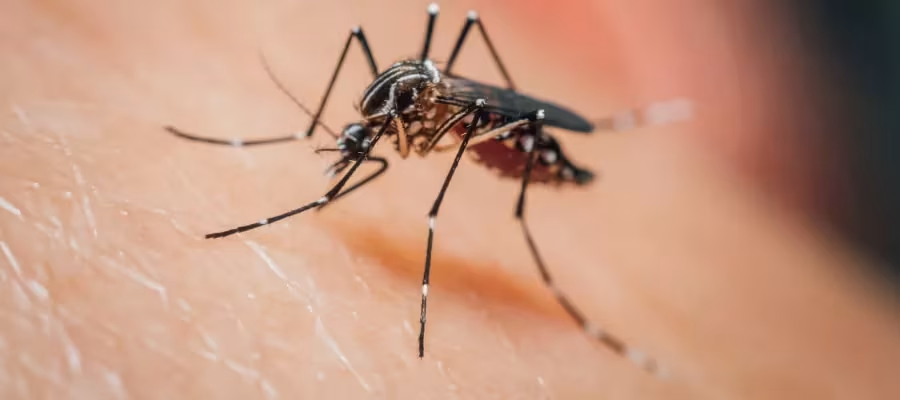
Not all mosquitoes in Costa Rica are dangerous, but a few types do carry diseases. The Yellow fever mosquito (Aedes aegypti) and Asian tiger mosquito (Aedes albopictus) are the main concern: they’re active during the day and can transmit those deseases. Unlike the mosquitoes that buzz around at night, these bite mostly in the early morning and late afternoon, especially in warm, humid, lowland areas.
The Costa Rican government actively works on mosquito control through public health campaigns and targeted spraying. However, travelers should still protect themselves with insect repellents (DEET, Picaridin, or oil of lemon eucalyptus), proper clothing, and indoor repellents like coils or plug-ins. Even in urban areas, mosquitoes can be a nuisance in rainy months.
What Mosquito-Borne Diseases Are Found In Costa Rica?
Let’s clear this up: yes, some mosquitoes in Costa Rica carry diseases, but the actual risk depends on where you go, when, and how well you protect yourself. Mosquito borne illness is a real risk in Costa Rica, especially in certain regions and during the rainy season. These illnesses are transmitted by an infected mosquito, so taking preventive measures is important. You’re not walking into a malaria zone (this isn’t the Amazon) but a few viruses are worth knowing about. Costa Rica's disease statistics and health campaigns reflect ongoing efforts to keep travelers and locals informed and safe.
Dengue Fever
This is the big one. Dengue is present year-round, especially in the rainy season (May to November) and in low-lying, humid regions like the Caribbean coast or Nicoya Peninsula.
It’s not pleasant, think fever, body aches, rash, and a serious lack of energy for a few days. Severe dengue can include symptoms such as high fever, abdominal pain, persistent vomiting, difficulty breathing, and muscle aches, which require urgent medical attention.
There’s no vaccine or specific treatment, so avoidance is everything: repellents, long sleeves, AC, and staying away from swampy areas at dusk.
Zika & Chikungunya
Both of these viruses exist in Costa Rica but are much less common now than a few years ago.
Zika is mostly a concern for pregnant travelers due to risks of birth defects. Zika virus infection during pregnancy can be especially dangerous for a pregnant woman, as it increases the risk of serious birth defects. Typical symptoms include rash, conjunctivitis, and a mild fever that usually lasts a few days to a week.
Chikungunya causes joint pain and fatigue but is usually mild and short-lived.
CDC and Canadian travel sites don’t list them as high risk anymore, but it’s smart to be cautious, especially if you’re pregnant or immunocompromised.
Yellow fever
Yellow fever isn’t currently found in Costa Rica, and there’s no risk of local transmission. However, if you’re coming from a country where yellow fever is endemic (like parts of South America or sub-Saharan Africa) Costa Rica may require proof of vaccination at the border. This doesn’t apply if you’re traveling directly from the U.S., Canada, or most European countries.
Want the full details? Check out our complete guide on yellow fever and entry requirements for Costa Rica, it covers who needs the vaccine, when, and why.
What About Malaria?
Most of Costa Rica is malaria-free. There’s a very low risk in a few remote areas along the northern Caribbean, but you don’t need anti-malarial pills for typical tourist routes like Arenal, Manuel Antonio, Monteverde, or Tamarindo.
I’ve never taken malaria pills here, and I’ve never been advised to by doctors or travel clinics unless I was heading into the jungle for weeks.
When And Where Mosquitoes Are Worst In Costa Rica
Not all mosquito bites are created equal, and in Costa Rica, some regions are bug heaven, while others, like the central valley, are surprisingly bite-free due to their higher elevation and cooler climate. Timing and geography make a big difference, with rural areas (especially those with standing water or dense vegetation) tending to have higher mosquito activity.
Rainy Season = Mosquito Season
From May to November, the rain turns everything lush… and the mosquitoes thrive. I’ve noticed the spike especially in June through October on both coasts.
That said, it’s not non-stop swarms. It usually depends on:
whether you’re near standing water (marshes, mangroves, or hotel gardens with poor drainage),
if there’s wind (beaches are often better),
and the time of day (sunrise and sunset = peak bite hours).
During dry season (December to April), mosquitoes don’t disappear, but they’re way less aggressive, especially in drier areas like Guanacaste.

Where You’ll Get Bit The Most
From my own itchy experience (looking at you, Tortuguero at 6:30 am), here’s where the little suckers are most active:
Caribbean coast (Puerto Viejo, Cahuita): hot, humid, green... beautiful, but bring the DEET.
Southern Pacific (Osa Peninsula, Uvita): wild jungle = bugs.
Low elevation areas with rivers, wetlands or dense vegetation.
And where they’re more chill:
High elevation areas (Monteverde, San Gerardo de Dota): too cool for most mosquitoes. I wore shorts at night with no issues.
Beachfront resorts with AC and good screens, less standing water, more airflow.
Urban areas like San José: they exist, but they’re not a huge nuisance.
Accommodation Matters
Mosquito presence often depends more on where you sleep than where you go. Jungle lodges with open-air walls? Beautiful, but risky without netting or fans.
Hotels with AC, screened windows, or mosquito nets? Way better.
Bonus tip: bring a portable plug-in repellent or citronella coil if you’re staying in rural spots. It saved me more than once in rustic eco-lodges.
How To Avoid Mosquito Bites In Costa Rica
Here are some practical tips for avoiding mosquito bites during your trip. Let’s be honest: you’ll probably get bitten once or twice during your trip. But the goal is to avoid turning into a walking buffet. With the right gear and a few easy habits, you can keep mosquito drama to a minimum, and stay focused on sloths, volcanoes, and coconut smoothies.
Best Repellents: What Actually Works
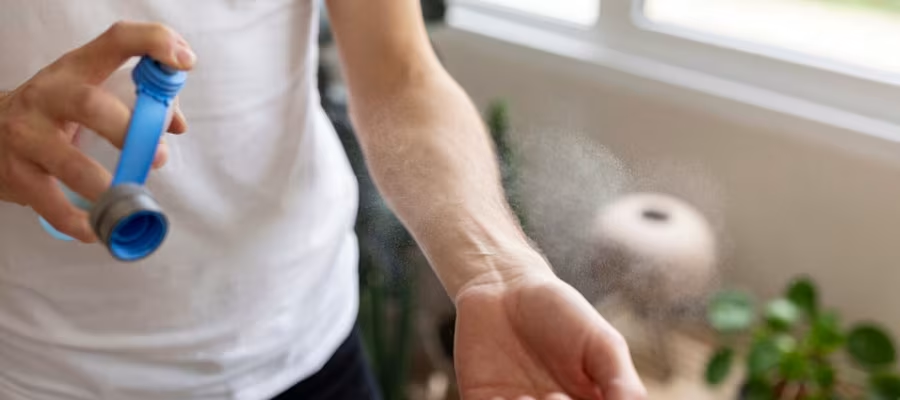
Forget the all-natural sprays if you're serious about protection. Here’s what I use (and what most travel health pros recommend):
DEET (20-30%) : lasts 4-6 hours, very effective.
Picaridin (20%) just as good as DEET, less greasy, no strong smell.
Oil of Lemon Eucalyptus (OLE): more natural, but reapply often.
My personal favorite? Sawyer Picaridin lotion. It’s compact, doesn’t melt plastic, and it saved me during a week in Puerto Viejo in peak rainy season.
Apply in the morning if you’re hiking, and again in the evening before heading out for sunset drinks.
Don’t forget ankles, wrists, neck, and behind the ears.
Clothing Tips That Actually Help
You don’t have to dress like you’re going on safari… but a few small changes make a big difference.
Long, lightweight pants and loose, long-sleeve shirts are great for evenings.
Neutral colors attract fewer mosquitoes than black or bright shades.
Treated clothing with permethrin = next-level protection (I wear treated socks when hiking in jungle areas).
Pro tip: if you’re doing lots of hiking or heading to swampy zones, consider spraying your shoes and backpack with permethrin before the trip.
Where You Stay = Half The Battle
Mosquitoes love stagnant water and still air. So the right accommodation setup makes a difference:
Choose hotels with air conditioning, fans, or at least mosquito screens.
If you’re staying in open-air bungalows or jungle cabins, ask if they provide mosquito nets, and check for holes.
Avoid places with poor drainage or dense gardens right under your window.
I once stayed in a jungle lodge with a net full of holes, right next to a frog pond. Bad combo. I now travel with a mini roll of duct tape, sounds silly, but it fixed the net, and I slept like a baby.

What To Do If You Get Bitten Or Feel Sick
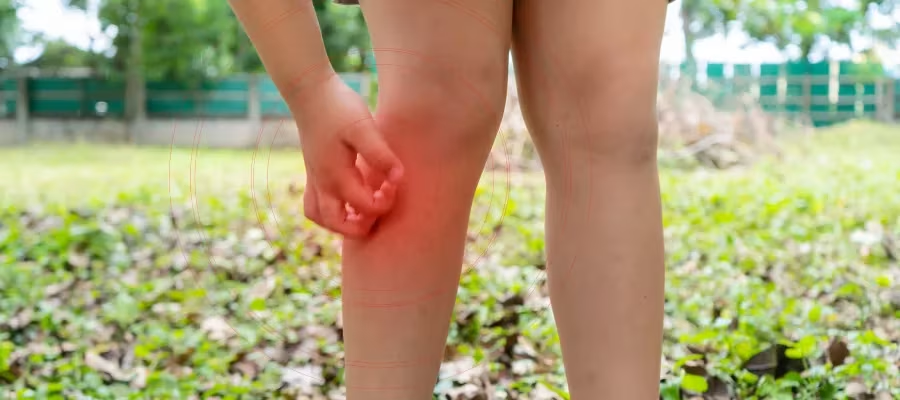
Let’s start with the bites: most mosquito bites in Costa Rica are harmless, just annoying and itchy. However, if you develop symptoms after a mosquito bite, you may have contracted a mosquito borne illness from an infected mosquito, and seeking medical care is important for human health.
A little red bump, maybe some swelling, nothing a good after-bite cream or antihistamine can’t fix.
For Regular Bites
Here’s what I always pack (and actually use):
Hydrocortisone cream or After Bite pen for itch relief
Antihistamines (like Benadryl or Claritin) if you’re sensitive
Aloe vera gel for cooling if you get multiple bites
Disinfectant wipes in case you scratch too hard (we’ve all been there)
Tip: Scratching makes it worse. I know, it’s impossible not to, but if you can hold off for 10 minutes, the itch usually fades.
If You Start Feeling Sick
Here’s what to look out for, especially after spending time in high-risk areas:
Fever
Body aches
Skin rash
Severe headache
Nausea or fatigue that doesn’t go away
Persistent vomiting (a warning sign of severe dengue)
These symptoms may indicate a mosquito borne illness transmitted by an infected mosquito.
Could be dengue, could be something else, but don’t take chances. Head to a private clinic (many are excellent and speak English) or ask your hotel to call a doctor.
I once traveled with a friend who spiked a fever in the Nicoya Peninsula. We found a private clinic within 30 minutes, got tests done, and they ruled out dengue. She was back on the beach in 48 hours, sipping smoothies. Crisis averted.
Travel Insurance Helps
If you haven’t yet, get travel health insurance before your trip.Private medical care in Costa Rica is high quality, but it’s not free, and emergency services (ambulance, evacuation, hospitalization) can get pricey fast.
A solid policy covers:
Emergency visits
Testing
Hospital stays
Medical evacuation
Last-minute changes to flights or accommodations if you get seriously sick
FAQ: Mosquitoes In Costa Rica
Are mosquitoes really that bad in Costa Rica? It depends on when and where you go. During the rainy season, especially near the coast or in the jungle, they can be persistent, but with good repellent and clothing, they’re manageable. In higher-altitude areas, they’re barely noticeable.
Do I need to worry about Zika? Zika is currently low risk in Costa Rica, but it’s still present. If you’re pregnant or trying to conceive, talk to your doctor before traveling and take extra precautions.
Is malaria a problem? Not for most tourists. Malaria risk is extremely low, and limited to remote areas near the Nicaraguan border. No malaria pills are recommended for standard tourist destinations.
What’s the best mosquito repellent to bring? Personally, I recommend Picaridin (20%) or DEET (20-30%). They’re effective, easy to apply, and last several hours. Bring your own, options are limited and more expensive locally.
Will mosquitoes bother me at the beach? Not usually on the sand itself, especially when there’s a breeze. But nearby wetlands, gardens, or areas with standing water can be hotspots, especially at sunset. I got ambushed once during a sunset dinner on a beachfront deck in Sámara. Lesson learned: repellent first, wine second.
Are natural repellents enough? Short answer: no. Essential oils like citronella might help in mild conditions, but they wear off fast. If you’re serious about protection, stick with proven ingredients like DEET or Picaridin.
What should I do if I get dengue? If you feel sick (fever, aches, rash) go to a clinic. There’s no cure for dengue, but you can manage symptoms. Don’t take ibuprofen or aspirin (it can make bleeding worse); stick to acetaminophen (Tylenol). Rest, fluids, and medical advice are key.
Do I need a mosquito net? Only in certain eco-lodges or open-air jungle stays. Most hotels with AC and screens don’t need one. If you’re going off-grid, check if your accommodation provides one, and bring duct tape just in case (seriously).
Final Tips Before You Go
Mosquitoes are part of the tropical experience, but they don’t have to be a problem.With the right repellent, smart clothing choices, and a little planning, you can stay protected and enjoy Costa Rica’s wild beauty without the itch.
Remember:
Use DEET or Picaridin, especially during rainy season.
Dress smart at dawn and dusk.
Choose accommodations with AC, screens, or mosquito nets if you're staying off the beaten path.
Stay alert for symptoms if you feel unwell, and always carry travel insurance just in case.
Bonus tip: I always keep a tiny mosquito kit in my daypack, spray, cream, wipes. It weighs nothing and has saved my trip more than once.
