
Top 10 Things to Do in Costa Rica’s Nicoya Peninsula
Nicoya, Costa Rica is both a historic town and the heart of the Nicoya Peninsula, famous for its Pacific beaches, surf towns like Nosara and Sámara, nearby national parks, and its globally recognized Blue Zone lifestyle where locals are known for exceptional longevity. The Nicoya Peninsula is one of only five Blue Zones in the world, celebrated for its residents' remarkable longevity and healthy living.
If you are searching for things to do in Nicoya Costa Rica, you probably want clarity first. Is Nicoya a beach town, a cultural stop, or a gateway to the Nicoya Peninsula? The answer is all three, depending on how you plan your trip.
In this travel guide, I will cover the best beaches near Nicoya including Playa Sámara, Playa Carrillo, Playa Guiones and Ostional, nature highlights like Barra Honda National Park and Cabo Blanco Reserve, waterfalls and surf spots, plus the unique Blue Zone culture that makes this region different from anywhere else in Costa Rica. The region's natural beauty, from pristine beaches to lush forests, is matched by the integral concept of 'pura vida', a stress-free, connected way of living that shapes the local lifestyle. I will also break down practical travel tips, driving distances from Liberia and San José, rental car advice, best time to visit Nicoya Costa Rica, and realistic daily budgets.
Let’s dive into what makes Nicoya worth adding to your Costa Rica itinerary.
What is Nicoya and the Nicoya Peninsula?
First, let’s clear up the confusion.
Nicoya is a traditional inland town in Guanacaste province. It serves as the capital city of the Nicoya canton, officially known as 'de Nicoya', and is an important urban and historical center in the region. The Nicoya Peninsula, on the other hand, is a large Pacific region stretching south toward Montezuma and north toward Sámara and Nosara, known for beaches, surf culture, wildlife reserves, and rural communities. The peninsula is separated from the mainland of Costa Rica by the Gulf of Nicoya and the Tempisque estuary.
Most travelers searching for “Nicoya Costa Rica” are actually interested in the peninsula’s beaches. But the town of Nicoya itself is the cultural heart of the region, and one of the world’s five recognized Blue Zones. The Nicoya Peninsula has a notably low cancer rate compared to other regions in Costa Rica, a fact attributed to its healthy lifestyle and diet.
Blue zone wellness is a key draw for visitors to Nicoya Costa Rica, attracting those interested in longevity, holistic health, and embracing the principles that promote mental, physical, and spiritual well-being.
Nicoya town
Nicoya feels local, not touristic. Around the central park you’ll find:
The colonial church Iglesia de San Blas
Small sodas serving traditional Guanacaste cuisine
Local produce markets
Everyday Costa Rican life, unfiltered
The central park also features a 5-century-old colonial church and cultural sites like La Casa de Cultura.
It is not a beach town. It is a working town, agricultural, authentic, and a strong contrast to the surf hubs on the coast. Local sodas serve traditional dishes such as gallo pinto. Nicoya maintains a laid-back lifestyle, where traditional cattle ranching and cowboy culture are still prevalent. The region is known for workshops in pottery and traditional cooking, reflecting its indigenous traditions. The culture of Nicoya is deeply rooted in its indigenous Chorotega heritage and colonial history.
I once stopped in Nicoya town for lunch expecting a quick bite, and ended up staying an hour talking to the soda owner about corn tortillas and local beans. It’s that kind of place.
The Nicoya Peninsula
When Americans search “Nicoya Peninsula Costa Rica,” they are usually thinking about:
Remote Pacific beaches
Yoga retreats
The Peninsula de Nicoya is a large geographic region on Costa Rica’s northern Pacific coast, known for its natural landscapes and diverse attractions. The Nicoya Peninsula is divided into Guanacaste Province in the north and Puntarenas Province in the south, with the southern tip featuring notable wildlife reserves and beaches. This area is recognized for its dry tropical forest climate, which is less humid than other parts of Costa Rica, and serves as a transition zone between tropical rainforest and dry forest, supporting a wide range of wildlife. The peninsula features a variety of beach towns, including Nosara, Samara, Santa Teresa, Malpais, and Montezuma, each offering unique experiences for visitors.
The peninsula is rugged in parts, especially in green season. Roads can be dusty or muddy depending on the time of year.
Why this distinction matters
If you want surf and beachfront hotels, base yourself on the coast.
If you want culture, history, and the Blue Zone experience, spend time in Nicoya town.
Most travelers combine both.
Nicoya's agricultural heritage and its community of centenarians shape a culture centered on healthy eating and lifestyles, making it a unique destination for those interested in wellness and longevity.
Culture and history of Nicoya
The Nicoya Peninsula is more than just a tropical paradise of secluded beaches and surf spots: it’s a living tapestry of Costa Rica’s rich cultural heritage and history. Here, centuries-old traditions blend with the rhythms of everyday life, creating a region where the past and present coexist in harmony.
Best beaches near Nicoya and on the Nicoya Peninsula
When travelers search “Nicoya Costa Rica beaches,” they are usually looking for Pacific coastline options within driving distance of Nicoya. The town itself is inland, but some of Guanacaste’s best beaches are 45 minutes to 2 hours away. The Nicoya Peninsula is home to some of the most immaculate and spectacular beaches in Costa Rica, including Santa Teresa, Malpais, and Montezuma. In addition to these stunning spots, the region is renowned for its natural wonders and the appeal of surrounding beaches, which offer diverse activities like surfing, yoga, and wildlife observation.
Here are the most important ones to know.
Playa Sámara, easy swimming and relaxed vibes
Sámara is one of the most accessible beach towns from Nicoya, about 1 to 1.25 hours by car. Playa Samara, also known as Samara Beach, is renowned for its natural beauty, family-friendly atmosphere, and vibrant local amenities. Samara Beach features calm waters and a scenic coastline, making it perfect for swimming, kayaking, snorkeling, and sport fishing. The area is surrounded by tropical dry forests, which add to the ecological richness and provide a lush, seasonally dry backdrop to the beach and outdoor activities.
Why go: Calm bay, good for swimming, beginner-friendly surf lessons, family-friendly atmosphere, walkable town center.
Samara Beach is known for its calm waters, ideal for swimming, kayaking, and snorkeling.
Surf lessons typically range from $50 to $70 per session. The bay is protected by an offshore reef, making it one of the safer swimming beaches in the Nicoya Peninsula.
If you want a balanced beach experience without intense surf crowds, Sámara is a solid choice.

Playa Carrillo, postcard scenery
Just south of Sámara, Playa Carrillo offers a wide crescent of sand lined with palm trees. The beach is bordered by tropical dry forests, which add to its scenic beauty and provide a unique ecological backdrop to the tranquil shoreline.
Why go: Fewer vendors and crowds, excellent sunset views, cleaner, quieter feel.
There are limited services directly on the beach, so bring water and shade. It is ideal for a half-day stop if you are staying nearby.
Nosara and Playa Guiones, surf and wellness hub
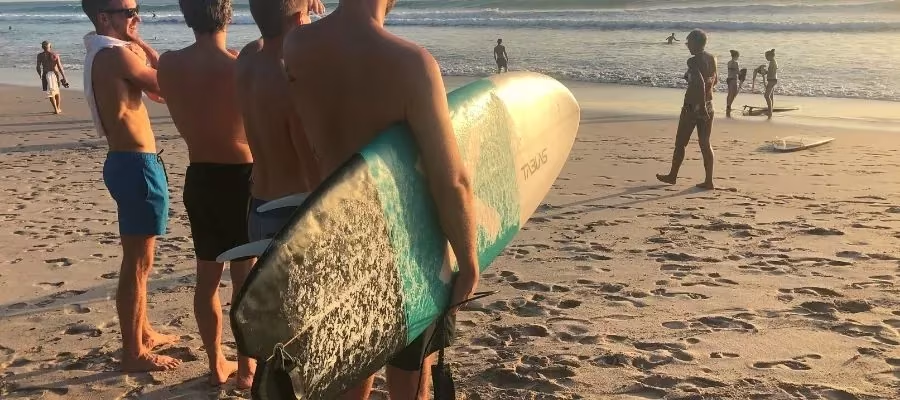
Nosara, especially Playa Guiones, is known internationally for consistent surf and a strong yoga and wellness community. Nosara is home to several beaches, including Guiones Beach, which is popular for its dependable surf breaks and laid-back lifestyle. Guiones Beach is renowned for its reliable surf breaks and attracts surfers, bodyboarders, and yoga enthusiasts seeking a relaxed, laid-back vibe.
Why go: Reliable surf breaks, eco-conscious accommodations, international dining options, wildlife in nearby reserves
Guiones is better for surfing than swimming due to stronger waves. It attracts a mix of long-term visitors, digital nomads, and retreat travelers.

Ostional, turtle nesting experience
Ostional is famous for “arribadas,” mass sea turtle nesting events that occur seasonally. Ostional Beach is especially significant for its mass nesting of olive ridley sea turtles, where thousands of turtles come ashore at once to lay their eggs. The Ostional Wildlife Refuge, a protected wildlife refuge, is one of the world's most significant nesting sites for olive ridley sea turtles, playing a crucial role in their conservation. Visitors can witness the extraordinary spectacle of arribada, but should be aware that baby sea turtles face a perilous journey from the nesting site to the ocean, with many dangers from predators and the environment. Conservation efforts at the refuge are vital to protect these sea turtles and ensure the survival of future generations.
Why go: Unique wildlife experience, conservation focus, less developed coastline
Visits during nesting season require respect for regulations and often a guide. This is one of the most distinctive natural events on the Nicoya Peninsula.

Quieter beaches and hidden spots
Other beaches worth noting:
Playa Barrigona, more remote and rugged
Playa Bejuco, less crowded alternative
Montezuma beaches on the southern peninsula
The surrounding beaches near Montezuma and Santa Teresa offer off-the-beaten-path charm, with natural beauty and fewer crowds, making them ideal for those seeking a more authentic Costa Rican experience. Malpais, in particular, is known for its perfect weather year-round and attracts surfers from all over the world, yet it remains relatively uncrowded.
Some of these require driving on unpaved roads, especially during green season.
Vehicle tip: If you plan to explore multiple beaches on the Nicoya Peninsula, a high-clearance SUV is strongly recommended. Roads can be dusty in dry season and muddy after rain.

Playa Montezuma
From calm swimming bays to surf breaks and turtle nesting beaches, the Nicoya Peninsula offers a wide range of coastal experiences.
Outdoor adventures beyond the beach
The Nicoya Peninsula is not just about sand and surf. If you look beyond the coastline, you’ll find caves, waterfalls, wildlife reserves, and some of the oldest protected areas in Costa Rica. Nature lovers will appreciate the region's diverse nature reserves and the wide range of outdoor activities available, from water sports to wildlife spotting. Hiking opportunities abound in the Nicoya Peninsula, particularly in areas like Cabo Blanco Nature Reserve and Barra Honda National Park.
Barra Honda National Park, limestone caves and dry forest
Just outside Nicoya, Barra Honda National Park is one of the most underrated parks in the region.
Why go: Limestone cave systems, guided cave descent experiences, dry tropical forest ecosystem, popular for spelunking and wildlife watching
Entrance fee: around $10-$15 per adult
Cave tour cost: typically $25-$35 extra with certified guide
Difficulty: Moderate, cave descent requires basic fitness
Time to plan: 2-4 hours
What to bring: Hiking shoes are essential for comfort and safety while exploring the park's trails and caves.
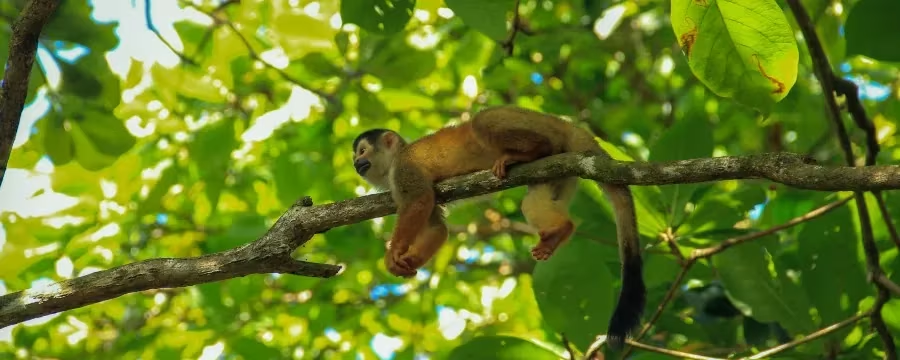
Barra Honda features an extensive network of caves and is a popular destination for both spelunking and wildlife watching, with opportunities to observe monkeys, birds, and other local fauna.
Descending into the cave chamber, helmet light cutting through total darkness, feels completely different from a beach day. It is raw and quiet. This is one of the best inland activities near Nicoya town.
Cabo Blanco Absolute Natural Reserve, oldest reserve in Costa Rica
On the southern Nicoya Peninsula, Cabo Blanco Natural Reserve protects coastal forest and wildlife. The reserve is located at the very tip, or southern tip, of the Nicoya Peninsula, making it a significant landmark for nature lovers. Cabo Blanco was the first national park created in Costa Rica, and it remains a prime spot for wildlife watching and conservation.
Why go: Long hiking trails through tropical forest, birdwatching, wild, less developed beaches
Entrance fee: usually around $12-$15
Main trail: 5-6 miles round trip
Difficulty: Moderate to challenging
Time to plan: Half day
This is ideal for active travelers who want a true nature immersion beyond beach lounging.
Montezuma waterfalls
Near Montezuma, a short hike leads to a series of waterfalls and natural pools.
Why go: Jungle trail setting, swimming holes, adventurous cliff jumps (only if conditions are safe)
Entrance fee: small local fee
Difficulty: Moderate, uneven terrain
Time to plan: 2-3 hours
Water levels vary seasonally. Wear proper shoes, rocks can be slippery.

Surfing, fishing and wildlife tours
Beyond Nosara and Sámara surf lessons, the Nicoya Peninsula also offers:
Sport fishing charters
Kayaking along calm bays (kayaking and snorkeling are popular water activities enjoyed in the calm waters off the Nicoya Peninsula)
Snorkeling and scuba diving to explore diverse marine life, with opportunities to see manta rays
Zip lining and canopy tours for thrilling adventure
Horseback riding for a unique way to experience the landscape and local culture
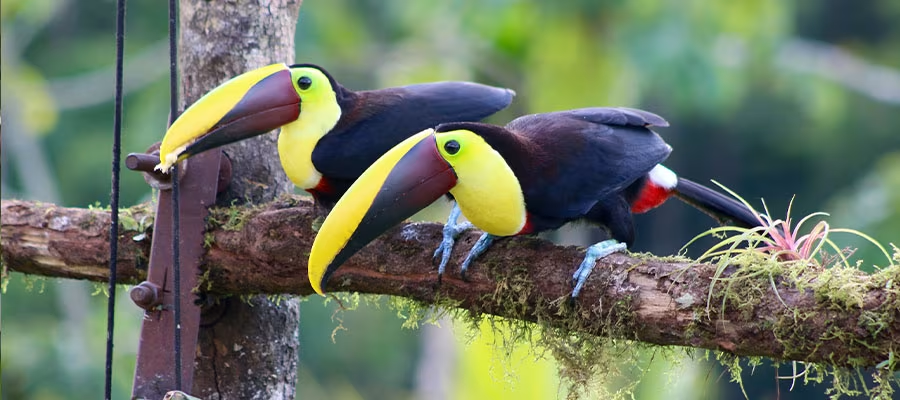
Boating tours for wildlife observation, including crocodile sightings and birdwatching in national parks and wildlife reserves
Birdwatching in dry forest and wetlands
Dolphin and seasonal whale sightings offshore
These activities usually range from $60 to $120 per person depending on duration and type.
The Nicoya Peninsula rewards slow exploration. One day you explore caves, the next you hike coastal forest, the next you are back on the beach at sunset.
How to get to Nicoya and practical travel logistics
Nicoya is easy to reach, but the route you choose shapes your experience. Located along Costa Rica's stunning Pacific coast, the Nicoya Peninsula is bordered by the Pacific Ocean, offering breathtaking beaches and vibrant natural scenery. The region is home to a wide range of accommodations, from budget-friendly hostels to luxurious vacation rentals, making it easy for travelers to find the perfect place to stay.
From Liberia International Airport (LIR)
If you are flying into Guanacaste, Liberia International Airport is the closest major gateway.
Drive time to Nicoya town: about 1.5 to 2 hours
Roads are mostly paved and in good condition
Ideal entry point if you are focusing on Sámara, Nosara, or the northern Nicoya Peninsula
For many U.S. and Canadian travelers, this is the simplest route.
From San José (SJO)
From San Jose, the capital city and main transportation hub of Costa Rica, or Alajuela Airport you have two main options to reach Nicoya:
Option 1: Highway route (Drive time: 4.5 to 5.5 hours depending on traffic, fully paved highways for most of the route), it’s the best during dry season.
Option 2: Ferry via Puntarenas (Drive to Puntarenas (about 1.5 hours from San Jose) then board one of the daily ferries to Paquera or Playa Naranjo. The ferry crossing takes about 1.5 hours, and you then continue driving north along the peninsula. The ferry route can be scenic and reduces some driving distance if you are exploring southern Nicoya.)
Rental car advice
For exploring the Nicoya Peninsula, a compact or mid-size SUV with good ground clearance is strongly recommended:
Some beach access roads are unpaved
Dust in dry season
Mud and potholes during green season
Steep rural sections near waterfalls or reserves
You do not always need full 4x4, but higher clearance improves comfort and safety.

Best time to visit Nicoya Costa Rica
Dry season (December-April): Sunny, ideal for beaches and surf, busier and slightly higher prices. This period is also the peak tourist season, so expect more visitors and increased accommodation rates. Temperatures during the dry season can reach up to 36ºC.
Green season (May-November): Lush landscapes, fewer tourists, afternoon rain common. This is the rainy season, with the heaviest rainfall typically from September to November. During the rainy season, temperatures can drop to around 22ºC.
If you want clear ocean conditions and easier road access, dry season is best. If you prefer fewer crowds and vibrant greenery, green season can be very rewarding. Nicoya is not a resort strip. It is a mix of culture, coastline, and rural character.
Nicoya as part of a larger Costa Rica road trip
Nicoya Peninsula combines well with:
Rincón de la Vieja (volcano and geothermal hikes)
Try not to combine too many remote destinations in a short time frame. Roads are manageable, but they are not highways everywhere.

Monteverde cloud forest
Why Nicoya is famous as a Blue Zone
One of the main reasons Nicoya appears in American search results is its status as a Blue Zone, one of the few regions in the world where people statistically live longer than average.
The Nicoya Blue Zone covers much of the peninsula, including Nicoya and surrounding rural communities. Researchers have studied this region for years, trying to understand why so many residents reach their 90s and even 100s.
What makes the Nicoya Blue Zone different
Longevity here is not about luxury. It is about lifestyle.
Plant-based traditional diet, rich in beans, corn, squash, and tropical fruit
Daily physical activity, often through farming or walking
Strong family and community bonds
A clear sense of purpose, what locals call “plan de vida”
Access to mineral-rich water sources
Visitors often expect something mystical. It feels much simpler. It is everyday life, lived consistently.

Nicoya Costa Rica FAQ
Here are the most common questions travelers from the U.S. and Canada ask before visiting the Nicoya Peninsula.
Is Nicoya Costa Rica worth visiting? Yes, especially if you want a mix of beaches, culture, and a slower pace than some of the country’s busier resort areas. Nicoya town offers authentic Guanacaste traditions, while the Nicoya Peninsula delivers surf, wildlife, and scenic coastline. If you are looking for high-rise resorts and nightlife, this may not be your scene. If you want community, nature, and space, it’s a strong choice.
What is the Nicoya Blue Zone? The Nicoya Blue Zone refers to a region where residents statistically live longer than average. Researchers attribute this to diet, community bonds, daily movement, and strong social structure. Visitors can experience this through traditional food, rural guesthouses, and slowing down their itinerary.
Are the beaches in Nicoya good for swimming? Some are, some are better for surfing.
Sámara is one of the safest swimming beaches.
Playa Carrillo is calmer and scenic.
Playa Guiones (Nosara) is better for surf than relaxed swimming.
Always check local conditions before entering the water.
Do you need a 4x4 vehicle? Not always, but a high-clearance SUV is recommended, especially during green season. Some beach roads and rural access routes can be uneven or muddy. If you plan to stick to main paved routes only, a standard SUV works fine.
What is the best time to visit Nicoya Costa Rica? Dry season, December through April, offers the most predictable beach weather. Green season brings lush landscapes and fewer crowds, with afternoon rain showers common. Both seasons have advantages depending on your travel style.
Conclusion
Nicoya is not a single destination, it is a region with layers. Inland culture in Nicoya, surf and sunsets in Sámara and Nosara, limestone caves in Barra Honda, remote beaches along the Nicoya Peninsula, and a Blue Zone lifestyle that quietly shapes everyday life.
If you are planning a Costa Rica itinerary and wondering whether Nicoya is worth adding, the answer depends on what you want. For authentic Guanacaste culture, relaxed beach towns, and a slower rhythm than some of the country’s busier hubs, Nicoya delivers. Nicoya also attracts wellness enthusiasts and eco tourists seeking authentic experiences, from yoga retreats to exploring vibrant natural reserves. For nightlife and luxury resort scenes, you may prefer other regions.
The key is pacing. Choose one or two coastal bases, rent a high-clearance SUV for flexibility, start beach days early to avoid midday heat, and leave room in your schedule for unplanned stops, a roadside fruit stand, a quiet sunset, a conversation in a local soda.
Nicoya does not overwhelm you with attractions. It invites you to settle in.
