
Roads not always passable in Costa Rica, what drivers need to know
The practical guide to avoid unpleasant surprises
Driving in Costa Rica gives you total freedom, access to hidden beaches, cloud forests, remote waterfalls and places buses never reach. But it also comes with a reality many travelers underestimate, muddy dirt roads, rivers cutting across the route, steep mountain tracks and weather that can change fast. In this guide, you’ll find a realistic overview of the roads that cause the most trouble, especially on the Pacific coast, other routes that can surprise you inland, how to check road conditions before you go, and practical tips to drive with confidence, even during the rainy season.
1. The truly problematic roads on the Pacific coast
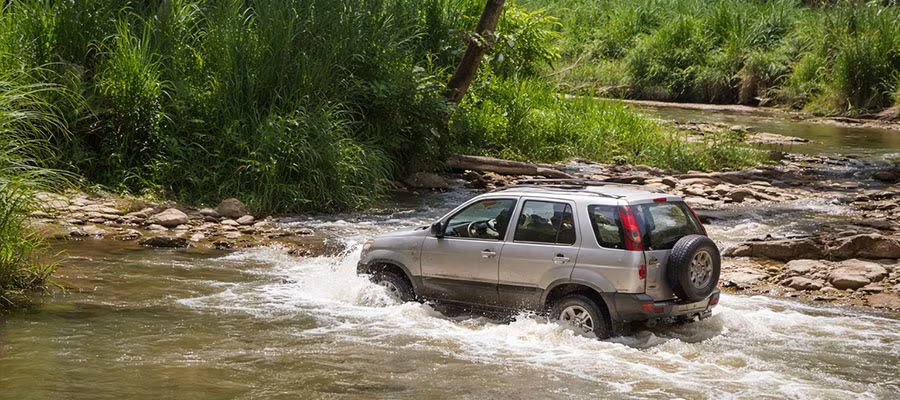
The Pacific coast is stunning, no debate there, but some roads feel like they were designed to test the limits of both drivers and vehicles. The most famous example is Route 160 on the Nicoya Peninsula. Sand, rocks, river crossings and uneven tracks are part of the experience, and without a proper 4x4, this drive can quickly turn into a hard no.
Around Santa Teresa and Montezuma, things can get even more intense. After heavy rain, certain sections become completely impassable. Thick mud, swollen rivers and steep dirt slopes are common, and even locals sometimes wait it out rather than risk it. I’ve personally sat in a small soda, coffee in hand, watching the rain pour while everyone agreed, today is not the day.
To reduce the risk:
Check tide schedules, some coastal sections disappear at high tide.
Avoid these roads late in the afternoon, when light fades and rain is more likely.
Listen to locals, they know exactly when a road is doable and when it’s not worth trying.
2. Other roads that can catch you off guard
Away from the coast, Costa Rica still has a few surprises in store, beautiful ones, but demanding.
Monteverde, Route 606: often called the road to the clouds. It’s scenic, misty and magical, but during the rainy season, mud and steep mountain tracks can turn a regular sedan into a liability. A 4x4 is strongly recommended here.
La Fortuna, Route 702: generally well maintained, but watch out for tight curves and sudden downpours. When you’re traveling with kids eager to reach the hot springs, patience matters more than speed.
Route 32 to the Caribbean coast: this road can get slippery after rain, with tunnels and narrow sections. Totally doable, but not the place to drive aggressively or rush.
Route 145 from Tilarán to Monteverde: mountain terrain, elevation changes and dirt tracks mean a 4x4 is mandatory. In the rainy season, some sections turn into pure mud, almost impossible to cross safely.
Season makes all the difference in Costa Rica. From December to April, many roads are calm and predictable. From May to November, some of them become real traps.

3. How to know before you leave
Avoiding road drama in Costa Rica is all about combining information sources.
Google Maps and Waze are great for planning distances and general routes, but they’re not always reliable for secondary roads or river crossings. If the app says “unpaved road”, take it seriously and consider an alternative route.
Facebook groups and travel forums are incredibly useful. Recent traveler feedback, especially from people who drove the route the day before, often mentions landslides, flooded sections or road closures that apps don’t show.
And don’t underestimate locals. Hotel staff, restaurant owners, gas station attendants, they know the roads by heart. One quick question can save you from getting stuck in the rain, with tired kids in the back and a very forced smile.

4. Practical tips to drive stress-free
First rule, choose a 4x4 as soon as you plan to leave main roads. Dirt tracks, rocks and river crossings are part of the country, and the right vehicle makes everything easier.
Second, start your drives early. Morning light is better, weather is usually more stable, and you avoid stressful night driving. Always keep a plan B, because some roads close overnight after heavy rain.
Every day should start with a quick weather check and a look at road conditions. Local advice, hotels and traveler groups are often more accurate than navigation apps.
Finally, keep essentials in the trunk, GPS, first aid kit, proper shoes and spare clothes. Between humidity and unpredictable roads, you rarely end the day exactly as planned.
⚠️ Important about your rental car insurance
Some unpaved roads, river crossings or poorly maintained tracks may void your insurance coverage. Always check the exclusions in your contract and avoid any road explicitly discouraged by your rental agency. If in doubt, ask the team before you go, they’re there to help.
