
Cloud Forests in Costa Rica: Misty Jungles & Unforgettable Wildlife
The magic of Costa Rica's cloud forests, revealed
If you're planning a trip to Costa Rica and you've typed something like “best cloud forests in Costa Rica” or “what is a cloud forest anyway?”, you're in the right place. This article will walk you through the country’s most breathtaking high-altitude ecosystems, explain what makes them so unique, and help you decide which ones are worth the trek.
We’ll break down:
What a cloud forest really is (and how it’s different from a rainforest)
The best cloud forests to visit in Costa Rica
What to do while you're there: hikes, canopy bridges, wildlife tours...
Practical tips: entrance fees, how to get there, gear, weather
Travel stories, small moments, and surprises you won’t read on TripAdvisor
A short FAQ and how to rent a car to explore freely
So whether you're a nature-loving couple, a family with curious kids, or a group of friends chasing cool hikes and epic views, keep reading, this guide was written for you.
What is a cloud forest?
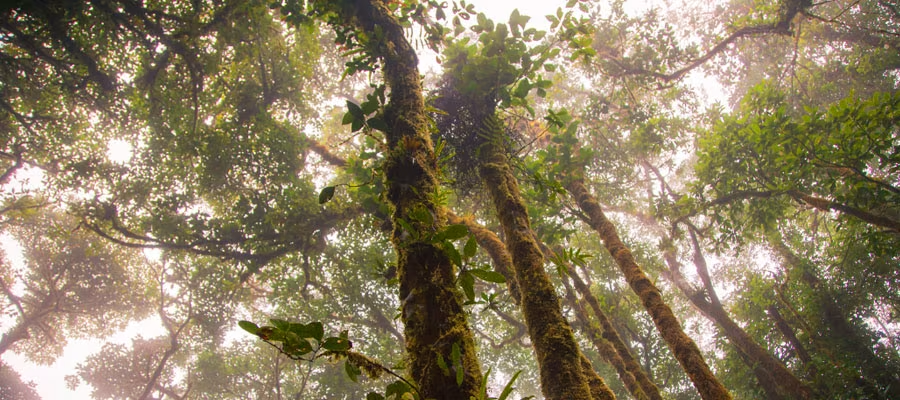
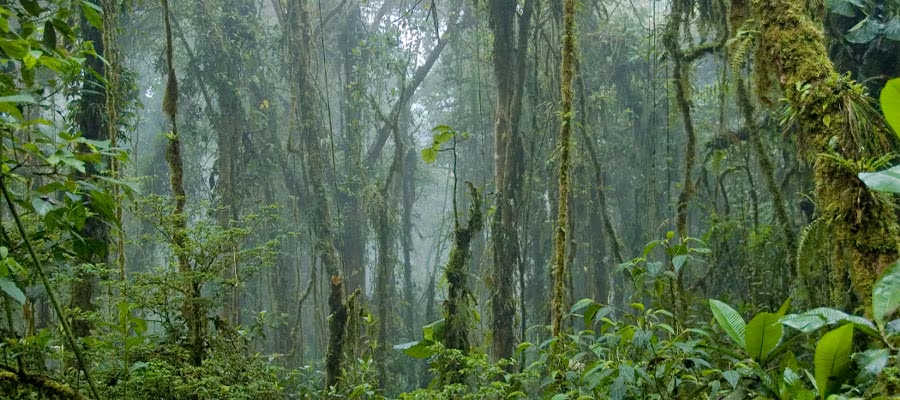
A cloud forest is a high-altitude rainforest, found between 1,200 and 2,500 meters above sea level, where warm tropical air meets cooler mountain air, creating near-constant mist and low-level cloud cover. The result? Lush, moss-covered trees, filtered light, and a cool, mysterious vibe, kind of like the Pacific Northwest had a baby with the Amazon.
Unlike the hotter, drier lowland rainforests you might see around Arenal or Corcovado, cloud forests are cooler, wetter, and packed with biodiversity that’s hard to find elsewhere. Think 2,500+ plant species, hundreds of birds (including the elusive Resplendent Quetzal), wild orchids growing in the canopy, and monkeys you’ll probably hear before you see.
Why they matter:
Less than 1% of all tropical forests are cloud forests.
They host tons of endemic species, creatures that exist only in these environments.
Their dense vegetation captures moisture from clouds, which helps regulate the water supply for entire regions.
And the best part? Costa Rica has some of the most accessible and well-preserved cloud forests in the world.

The best cloud forests to visit in Costa Rica
Costa Rica doesn’t have just one cloud forest. It has a handful, each with its own vibe, wildlife, and type of traveler it attracts. Whether you're into long hikes, wildlife photography, or just walking through misty trails that feel like something out of Avatar, here are the top spots to explore.
Monteverde Cloud Forest Reserve
Let’s start with the rockstar. Monteverde is the cloud forest. It's the most famous, most visited, and arguably the best equipped for tourists.
What to see: Quetzals (especially March-May), hummingbirds, giant ferns, orchids, strangler figs, hanging bridges.
Activities: Guided nature walks, trails, self-guided trails, zip-lining nearby, canopy bridges, butterfly gardens.
Tips:
Go early morning to avoid the crowds and catch peak bird activity.
Bring a rain jacket, even in the dry season, Monteverde has its own microclimate.
Entry fee: around $25 for adults, $12 for kids.
How to get there: 3.5 hours from San José by car (4WD recommended).
Kid-friendly? Yes! Many trails are short and relatively flat, plus there are cafés and small exhibits nearby if the little ones get tired.
I once walked one of the Monteverde trails just after a drizzle. The mist made the forest glow, and within five minutes, a coati (raccoon-like mammal) crossed right in front of me. It looked like something straight out of a fantasy film.


Santa Elena Cloud Forest Reserve
Located just next door to Monteverde, this one is less commercial, wilder, and quieter. Think fewer tourists, more nature.
What to see: Incredible tree ferns, spider monkeys (if you’re lucky), unique epiphytes everywhere.
Activities: Self-guided hikes, birdwatching, stunning viewpoints (Mirador is a must).
Tips:
Entry fee is a bit cheaper: around $16 for adults.
Mornings are best for wildlife spotting.
Trails are slightly more rugged, but still manageable for most.
How to get there: Same base as Monteverde, just a few minutes apart.
For families? Yes, but it’s better suited for slightly older kids or adventurous parents with baby carriers.

San Gerardo de Dota & Los Quetzales National Park
A secret gem in the Talamanca Mountains. If you're chasing quetzals or want a less touristy experience, this is the place.
What to see: Quetzals galore (especially January to April), high-altitude hummingbirds, tranquil rivers, waterfalls.
Activities: Birdwatching tours, trout fishing, waterfall hikes.
Tips:
This place gets cold! Pack warm layers, seriously, like sweater-weather cold.
Great lodges with hot chocolate and fireplaces.
Entry to Los Quetzales NP is around $10.
How to get there: 2.5 hours southeast of San José on the Pan-American Highway.
Kid-friendly? Definitely, for quiet nature walks, not so much for adventure.
Bonus spot: El Copal Reserve
For the hardcore nature lovers. Remote, rustic, and amazing for birds.
Activities: Nature hikes, bird photography, camping.
Tips:
You need to book in advance, there’s limited access.
Don’t expect amenities. This is off-the-grid style.
How to get there: Located in Cartago province, reachable via a long dirt road.
For families? Not ideal unless your kids are tiny birders in training.
What to do in a cloud forest (and how to make the most of it)
Visiting a cloud forest isn’t just about walking through foggy trees. It’s about tuning into a world that feels suspended between land and sky. Here’s what you shouldn’t miss, and a few things to keep in mind to make the experience unforgettable.
Go on a guided nature walk
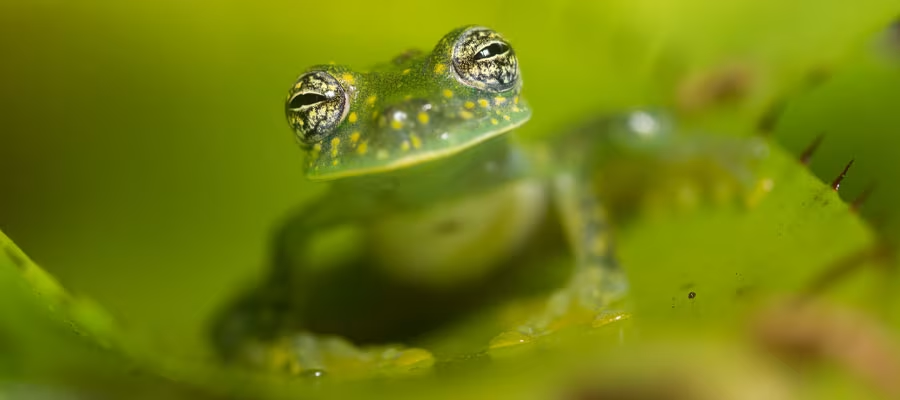
This is hands-down the best way to start your visit. Local guides have eagle eyes, and they’ll spot creatures you’d never notice on your own, like tiny glass frogs or sleeping toucans.
Duration: Most tours last 2-3 hours.
Cost: Around $25-35 per person.
Tip: Ask if the guide brings a telescope. Many do, and it’s amazing for birdwatching.
In Santa Elena, our guide spotted a sloth curled up like a fuzzy hammock. Without him? I would’ve walked right under it.
Cross hanging bridges
Cloud forests are vertical ecosystems. Hanging bridges let you walk through the canopy itself, eye-to-eye with howler monkeys and curious birds.
Where: Monteverde’s Sky Walk and Selvatura Park are the top choices.
Kid-friendly? Yes, and super exciting for them.
Cost: Usually around $30-40 for entrance or combo packages.

Try zip-lining (if you're feeling bold)
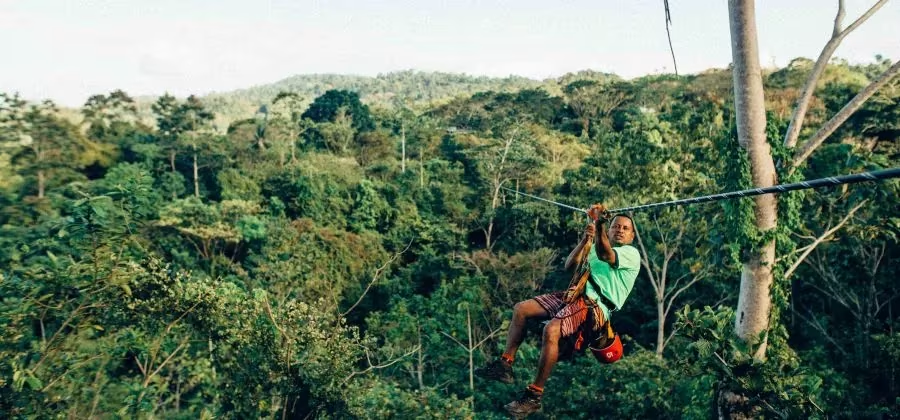
Gliding above the trees with clouds swirling around you? It’s the closest you’ll feel to flying in a rainforest.
Best place: 100% Aventura in Monteverde or Sky Adventures.
Age limit: Usually 6+, but check per company.
Cost: Between $50-90 depending on the package.
It’s not for the faint-hearted, but it’s safe, well-organized, and gets your adrenaline going like nothing else.
Go birdwatching (even if you're not "into birds")
Cloud forests are a birdwatcher’s paradise, even for beginners. Brightly colored tanagers, hummingbirds that look like flying jewels, and of course, the famous resplendent quetzal.
Best time: Early morning (think 6:00 a.m.!)
Best spots: Monteverde, Santa Elena, San Gerardo de Dota
Bring: Binoculars if you have them. Some lodges even lend them out.
Even if you don’t spot a quetzal, just hearing its call echo in the mist is worth the trip. Think jungle meets flute solo.

What to pack for a cloud forest visit
Even if you're just coming for a half-day hike, the cloud forest plays by its own rules. Here’s what you’ll want:
Waterproof jacket (always!)
Comfortable hiking shoes (mud-resistant)
Layers (mornings are chilly, afternoons warm)
Bug spray (less than lowland jungles, but still useful)
Camera or phone with good low-light setting
Reusable water bottle (many parks have refill stations)
Pro tip: if you wear glasses, bring a microfiber cloth. The mist will fog them up faster than you can say “quetzal.”
When to visit, where to stay, and practical tips
Best time to visit a cloud forest in Costa Rica
Cloud forests are lush and green year-round, but if you want the best combo of clear skies and misty ambiance, aim for:
Dry season (Dec to April): Better visibility, easier hiking, more wildlife activity.
Green season (May to November): Fewer crowds, more fog, and that deep rainforest feel. Expect short afternoon showers.
If spotting a quetzal is your goal, come between February and May. It’s nesting season and your best chance to catch a glimpse of this iconic bird.

Where to stay
Here are a few travel-tested places depending on your vibe:
Monteverde:
Mid-range: Hotel Belmar - sustainable luxury with killer views.
Budget: Monteverde Inn - simple, clean, and access to a private reserve.
Family: Cala Lodge - cozy cabins, great for kids, and full of hummingbirds.
San Gerardo de Dota (off the beaten path, bird-lover paradise):
Lush comfort: Savegre Hotel - perfect for quetzal seekers.
Cabin charm: Dantica Lodge - mountain design with cloud forest views.
Wherever you stay, double-check if the road is 4WD-friendly, especially during rainy season.
Other helpful tips
Cash vs card: Most places accept cards, but smaller tours and shops may prefer cash (colones or USD).
Driving: A 4WD is not always mandatory, but really helpful around Monteverde.
Connectivity: Don’t expect full signal bars everywhere. Use it as an excuse to disconnect.
Travel time: From San José, it takes around 3-4 hours to reach Monteverde, depending on traffic and road conditions.
FAQ - Your questions about cloud forests in Costa Rica
Is Monteverde the only cloud forest in Costa Rica? Nope! Monteverde is the most famous, but San Gerardo de Dota, Los Quetzales, and the Talamanca Range also offer cloud forest ecosystems, quieter and less touristy.
Are cloud forests cold? Not exactly cold, but cooler than coastal areas. Think 55-70°F (13-21°C). Bring layers.
Can you visit with young kids? Yes! Hanging bridges and wildlife spotting are exciting for all ages. Some trails are stroller-accessible, but a carrier backpack is more practical.
Do I need a guide? It’s optional, but highly recommended if you want to see wildlife and understand what you’re walking through.
Can you visit in a day trip? From San José or La Fortuna, yes, but it’s a long day. Staying overnight is way better.

Final thoughts (and why a car makes it better)
Costa Rica’s cloud forests are like a dream stitched into the side of a mountain, a place where the air tastes different, and everything feels alive. Whether you're crossing a misty hanging bridge, catching your breath after spotting a rare bird, or just soaking it all in with a coffee in hand, the experience is unforgettable.
Need a rental car to get there? A cloud forest is best explored on your own time, with the freedom to stop wherever the views call you. Rent your car in San José or Liberia and head for the mist, adventure is just a drive away.