
Whale Watching in Costa Rica: Where, When & How to See Them
Whale watching in Costa Rica: what this guide covers
Dreaming of watching humpback whales breach the Pacific? You’ve come to the right place. From scheduling your trip at the right time, to picking the perfect tour for couples, families or friend groups, this guide has it all. We’ll dive into:
Why Costa Rica ranks among the world’s best whale watching destinations
When the Northern and Southern hemisphere humpback whale seasons happen
What species you might spot beyond humpbacks
Where the top viewing spots are (spoiler: Uvita leads the way)
How tours work: prices, boats, what to pack
Real-world tips from personal experience
Family-friendly & group advice, including safety and comfort
Ethical whale viewing, responsible marine tourism
A FAQ section answering common questions
Let’s jump in, and before you know it, you’ll be scanning the horizon for that giant tail splash.
Why Costa Rica is a whale watcher’s paradise
Costa Rica offers an almost unparalleled setup for whale watching. Thanks to both Northern hemisphere humpbacks (from Alaska/California) and Southern hemisphere whales (from Antarctica) migrating through, you can catch these giants during two distinct seasons
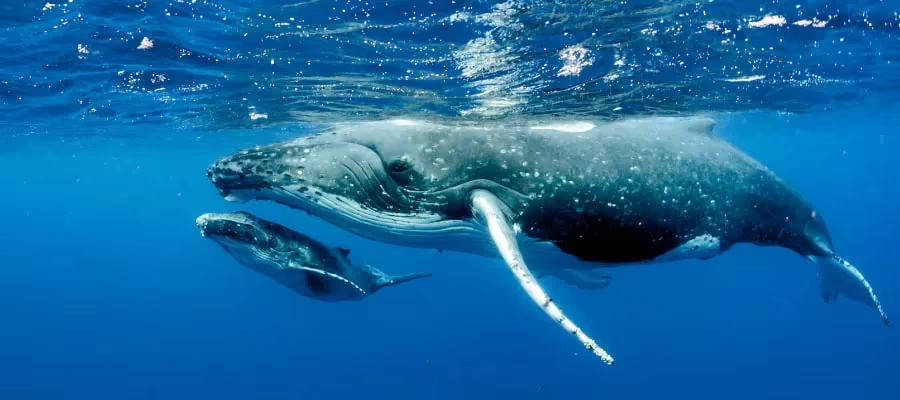
Just picture this: you’re on a family boat departing Uvita, and suddenly the water erupts beside you. A humpback mom and calf breach together. That’s not just a highlight, it’s a memory that lingers for a lifetime.
But whales aren’t the only stars: dolphins, pilot whales, false killer whales and even orcas occasionally join the show
When to go: timing your trip to perfection
Costa Rica’s double humpback seasons stretch across the year:
December to March for Northern hemisphere whales
July to October/November for Southern hemisphere whales
The absolute sweet spots are January, February, August, and September, that’s when sightings are most consistent
Couples on their honeymoon? Aim for August for smaller crowds. Families? February offers slightly drier weather and reliable sightings. Traveling with friends and want it all? Book for January or September, energy, activity, and clear seas.
What kinds of whales (and dolphins) can you see in Costa Rica?
Costa Rica is one of the rare places on Earth where two different populations of humpback whales migrate from opposite hemispheres. Translation? You get some of the longest whale-watching seasons in the world. Add in a bunch of curious dolphins and the occasional surprise visitor, and every boat ride feels like a mini wildlife documentary.
Here’s a quick guide to the marine stars you might meet:
Humpback whales (Megaptera novaeangliae)
The stars of Costa Rica’s whale season, known for their spectacular breaches, long migrations, and heartwarming baby-calf moments.
Size: Up to 50 feet (15 meters), around 40 tons
When to see them: Northern Hemisphere humpbacks: December to April // Southern Hemisphere humpbacks: July to October
Where: Osa Peninsula (Uvita, Drake Bay), Golfo Dulce, Papagayo Gulf
Behavior: Famous for breaching, tail slaps, and even singing (yep, underwater concerts).
Dangerous? Absolutely not. These gentle giants ignore boats and focus on their own drama.
Good to know: They migrate here to give birth and raise their calves, so sightings often include baby whales swimming close to mom. Bring your camera and your “aww” face.

Pilot whales
Actually part of the dolphin family, they travel in tight-knit pods and are occasionally seen in deeper offshore waters.
Size: 12 to 20 feet
When: Sporadic sightings, usually in May–August
Where: Deeper waters off Osa and Nicoya Peninsula
Behavior: Slow-moving, social in big groups. Not whales in the traditional sense, more like big dolphins.
Are they shy? Sometimes, but if a pod surfaces near your boat, it’s magic.

False killer whales
Rare and fast, these social predators sometimes show up near Drake Bay, especially between January and April.
Size: Up to 20 feet
When: Rare but possible year-round
Where: Offshore near Drake Bay and Golfo Dulce
Behavior: Fast swimmers, travel in pods, and sometimes seen hunting fish
Are they dangerous? No, they’re misnamed. They aren’t killers, just misunderstood.

Bryde’s whales
Shy but sleek, these year-round residents are fast swimmers often spotted off the central Pacific coast. Who should look for them? Serious wildlife photographers and patient spotters.
Size: 40–55 feet
When: Most often seen from April to July
Where: Offshore Pacific waters
Behavior: Elusive. They don’t breach often and move unpredictably.

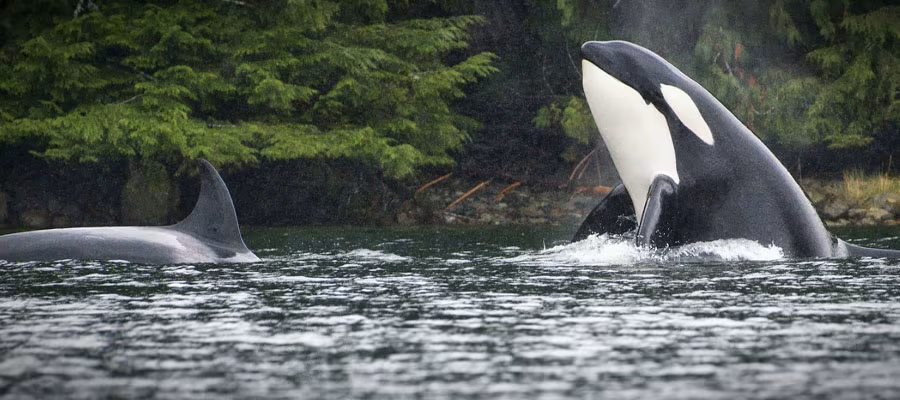
Orcas (killer whales)
The ultimate wild card. While rare, they do pass through Costa Rican waters, especially in the northern Pacific. If you see one? You just won the Costa Rican wildlife lottery.
Size: Up to 30 feet
When: Extremely rare; unpredictable
Where: Occasional sightings near Nicoya and Osa during sardine or tuna migrations
Are they dangerous to humans? In the wild, never. They’re apex predators, but boat-friendly.
What about dolphins? You’ll probably spot some too
Whale watching in Costa Rica often comes with a fun bonus: dolphins. And lots of them. Bottlenose dolphins (the iconic, social ones you’ve seen in movies) are everywhere along the Pacific coast, year-round. They’re fast, playful, and often race alongside boats.
Spinner dolphins show off a bit more. Between May and October, especially near Drake Bay, they leap and spin like acrobats, earning smiles from everyone onboard. Spotted dolphins? They love company. You’ll often see them traveling in big, splashy pods near the Osa Peninsula or the Nicoya Gulf.
Whether you’re on a family tour or a romantic boat ride, these encounters feel like your own private National Geographic episode, just without the narrator.

When and where to see whales in Costa Rica
Timing is everything when it comes to whale watching. The good news? Costa Rica is one of the only countries in the world where you can see humpback whales from both hemispheres, which means two whale seasons.

Whale watching seasons in Costa Rica
Southern Hemisphere humpbacks
Best time: mid-July to October
These whales migrate from Antarctica to give birth in the warm waters off Costa Rica’s southern Pacific coast
This is the most active season, especially in Uvita and Drake Bay
Northern Hemisphere humpbacks
Best time: December to March
These whales migrate from Alaska and California
They are less numerous, but still visible near Manuel Antonio and sometimes Tamarindo
If your trip falls between August and September, consider yourself lucky, it’s the peak of the season in Uvita, and the town even hosts the National Whale and Dolphin Festival!
Where to go: the best whale watching spots in Costa Rica
Costa Rica’s Pacific coast is your playground for whale watching. While there are several excellent spots, a few truly stand out for their consistency, accessibility, and overall experience.
Uvita (Marino Ballena National Park)
Let’s start with the crown jewel. If whale watching were an Olympic sport, Uvita would take gold. Located in the south Pacific, Marino Ballena National Park is famous for its whale tail–shaped beach and for being one of the most reliable places to spot humpbacks.
Best season: July to October (southern whales) and December to March (northern whales)
Tour duration: 2.5 to 3.5 hours
Cost: Around $70–$90 per person
Departure: Most tours leave directly from the Uvita beach entrance
What you’ll see: Humpbacks, dolphins, turtles, and sometimes rays
Tip: book your tour during the Whale and Dolphin Festival in September. It’s a local celebration, part marine biology, part party.

Drake Bay (Osa Peninsula)
This is for those seeking a more adventurous setting. Drake Bay is remote, rugged, and bursting with marine life. If you're already visiting Corcovado, don’t skip the ocean!
Best season: August to October
Tour duration: Half-day to full-day
Cost: $80–$120 depending on group size and distance
Bonus: You can pair your tour with snorkeling at Caño Island
Dolphins sometimes ride alongside your boat, like they’re auditioning for a National Geographic clip.

Manuel Antonio / Quepos
If you’re staying near Manuel Antonio National Park, you can also spot whales here, especially during migration peaks.
Best season: August and September
Type of tour: Catamaran cruises, private charters, family-friendly boats
Cost: From $60 to $110 per person, depending on luxury level
Add-on: Most include snacks, snorkeling stops, and onboard slides for kids
For families: many tours here are smoother and more comfort-oriented, ideal for kids or travelers prone to seasickness.
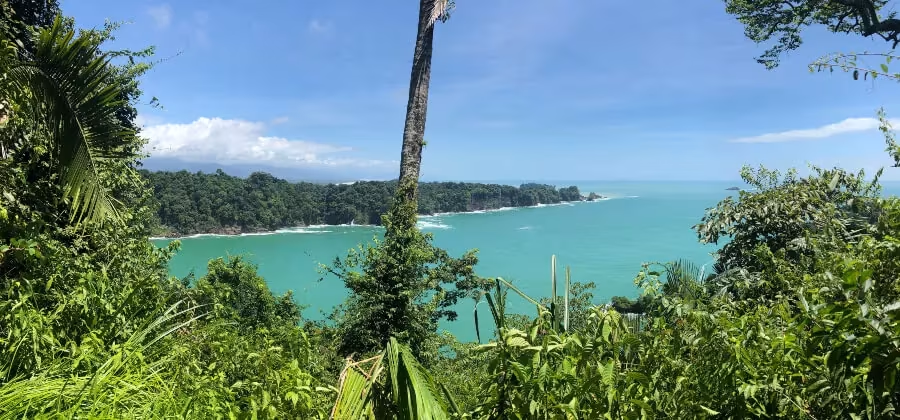
Tamarindo and the Nicoya Peninsula
Less reliable than the south, but still worth checking if you’re up north during whale season.
Tour options: Combo catamaran + sunset + dolphin watching
Wildlife: Mostly dolphins, occasional humpbacks
Pro tip: Check local Facebook groups or tour kiosks, as schedules vary a lot

What to expect on a whale watching tour in Costa Rica
Most tours follow a relaxed but purposeful pace. You’ll head out with a licensed marine guide, usually on a boat that fits 10–20 passengers. Here’s what to expect:
Briefing: Safety, marine life, what to do (and not do)
Cruise: Usually 2 to 4 hours, depending on tour type
Spotting whales: Humpbacks tend to surface for air every 7 to 15 minutes
Respectful distance: Boats maintain ~100 meters from whales (by law)
Bonus sightings: Dolphins often travel in pods and love boat waves
What to bring:
Sunscreen (reef-safe)
Hat, sunglasses, and light clothing
Waterproof camera or dry bag
Motion sickness pills if you’re sensitive
Water and light snacks (some tours provide these)
Note: mornings usually offer calmer seas and better visibility, book early if you can.
How to choose the right whale watching tour in Costa Rica
Not all tours are created equal. Whether you’re a couple, a family with young kids, or a group of friends ready to explore, here’s how to find a tour that matches your vibe and respects the ocean.

For couples
You want something magical, and probably a little less noisy.
Opt for early morning tours: fewer crowds, better lighting, more peaceful
Look for smaller boats or private charters (especially in Uvita or Drake Bay)
Bonus: some offer packages with sunset sail + wine + snorkeling
Example: In Quepos, you can find private catamaran tours that serve cocktails and let you snorkel near reef patches. It’s not Bora Bora… but it gets pretty close.
For families
Comfort, safety, and fun all matter for family activities.
Choose tours with shade, seating, and safety gear for kids
Look for tours departing from calm bays (Manuel Antonio and Uvita are great)
Ask about onboard bathrooms if you’re going with toddlers
Don’t forget:
Bring snacks, sunscreen, and motion-sickness tablets (just in case)
Set expectations with your kids: whales are wild, not Disneyland characters
Tip: Kids love dolphins, choose a combo tour if you want guaranteed smiles.
For groups of friends
You want a good time, and maybe a cold Imperial in hand.
Catamaran tours in Tamarindo or Jacó often include drinks, music, and snorkeling
In the South Pacific, you can go all-in with combo adventures (snorkel + whale + kayak)
Responsible whale watching: tips for an ethical encounter
Costa Rica protects its wildlife seriously, and that includes how tourists interact with whales. Here’s how to enjoy the moment without messing it up for the next generation.
Choose licensed tour operators: Look for boats that follow SINAC (Costa Rica’s conservation agency) guidelines.
Keep your distance: Boats should never chase or corner whales. Respectful tours will cut the engine and wait.
Don’t expect a show: These aren’t trained animals. If they show up, it’s a gift. If not, nature’s just being nature.
Avoid drones unless approved: Many parks ban them near marine mammals. Check first.
Skip feeding or loud music: It stresses out the whales. Bring your playlist for later.
Insider tip: Ask your guide how they track whales, some use sound, others scan horizon lines. It’s fascinating stuff!

FAQ – whale watching in Costa Rica
Do I need to book my whale watching tour in advance? Yes, especially during the peak season (August–September). Tours often sell out in Uvita and Drake Bay.
Are whale watching tours safe for kids? Absolutely. Most boats are family-friendly. In Manuel Antonio and Uvita, you’ll find calm conditions and life jackets provided.
What should I bring on the boat? Sunscreen (reef-safe), a hat, a waterproof bag, a light rain jacket, water, snacks, and motion sickness meds if you're sensitive.
Can I see whales from the beach? Sometimes, yes! Especially in Uvita or Drake Bay during peak season, when humpbacks come surprisingly close. But nothing beats being out on the water.
Are tours eco-friendly? Many are, but always double-check. Look for companies that follow Costa Rica’s whale-watching guidelines and limit the number of boats per whale.
Can I go whale watching year-round? Technically no, but with two different whale migrations, you’ve got chances from July to October and again from December to March. That’s a good chunk of the year!
Final thoughts, and how to make the most of it
Whale watching in Costa Rica isn’t just about seeing a giant tail rise out of the ocean. It’s about the thrill of hearing that first blowhole exhale echo across the water. It’s about your kids gasping when a dolphin leaps in front of the boat. It’s the kind of moment that plants itself deep in your memory, next to how the salt air felt on your skin and how wide you smiled.
Whether you’re staying in a luxury eco-lodge near Drake Bay or road-tripping the Pacific coast with your crew, this is one of those experiences that defines your trip.
Pro tip? Rent a car.
If you really want to chase the whales (or just escape the crowds and find your own quiet piece of coast) a rental car gives you the freedom to explore at your pace. Uvita, Sierpe, Ojochal, even the back roads of the Nicoya Peninsula… They’re all within reach, and worth every mile.
Ready to explore Costa Rica’s wild Pacific coast on your own schedule? Check out our car rental tips and start planning your next roadtrip.
