
Uvita Costa Rica travel guide
Thinking about visiting Uvita on Costa Rica’s southern Pacific coast? This small beach town is best known for its incredible Whale’s Tail sandbar in Marino Ballena National Park, but that’s just the beginning. Uvita is a laid-back spot where jungle meets ocean, and it’s the perfect base to explore waterfalls, hidden beaches, and nearby reserves teeming with wildlife.
In this guide, I’ll share the best things to do in Uvita, from snorkeling and whale watching to swimming at waterfalls and enjoying local food, plus tips on when to go, how to get there, and where to stay. It’s a quieter alternative to Manuel Antonio, but with just as much beauty.
How to get there? Uvita is about 3.5 hours from San José along the scenic Costanera Sur highway. Renting an SUV or 4x4 in San José makes the trip easy and gives you the flexibility to explore nearby gems like Dominical, Ojochal, and secluded jungle lodges.

Where Uvita is and how to get there
Uvita sits on the south Pacific coast of Costa Rica, in the region known as Costa Ballena, about 3.5 to 4.5 hours from San José and just over an hour from Quepos Airport. The town is small, surrounded by rainforest, mangroves and long stretches of coastline, making it an easy base for travelers who want nature and comfort in one place.
Most visitors arrive by car because it’s simply the best way to explore the coast, beaches and nearby waterfalls. The main highway is smooth, and a regular SUV or 4x2 is usually enough unless your lodge is deep in the hills. Buses and shuttles exist, but they’re slower and limit how much you can move around.
Renting a car is the most convenient option for beach hopping, viewpoints and day trips, with the best availability at San Jose Airport or Quepos Airport.
No matter how you get here, the moment the Pacific coast appears between the trees, you know you’re close.

What makes Uvita special
Uvita is one of those rare places where the Pacific coast, the rainforest and a laid-back beach town blend into an easy, nature-focused travel base. Along the Whale Coast, you can hike jungle trails in the morning, swim at gorgeous beaches in the afternoon and end your day with a sunset behind the mountains.
Its star attraction is the Whale’s Tail in Marino Ballena National Park, one of the most unique coastal formations in Central America, and the same area where humpback whales migrate every year. The town also offers waterfalls like the Uvita Waterfall, small cafés, surf spots and plenty of wildlife, giving it a quieter vibe than many other Costa Rican towns.
Because everything is close, from beaches to viewpoints to tour operators, Uvita works well for first-time visitors exploring Costa Rican national parks and the southern coast at a relaxed pace. It’s active when you want it to be, peaceful when you don’t, and that balance is exactly why so many travelers return.
Top things to do in Uvita
Explore the Whale’s Tail at Marino Ballena National Park
The Whale’s Tail is Uvita’s most famous sight, a natural sandbar shaped like a whale’s tail that appears at low tide. It’s perfect for walking, swimming and taking photos, and the water stays shallow for a long stretch.
Practical info:
Park Entrance: ~6-8 USD per person
Best time: Low tide only (check the tide chart)
How long: 1.5-3 hours
Tip: Go early for cooler temperatures and fewer crowds
Walking with warm water on both sides of the sandbar feels surreal, especially when macaws or frigatebirds fly overhead.

Go whale watching (one of Costa Rica’s top whale hotspots)
Uvita and Costa Ballena region is one of the best places in Costa Rica for whale watching because both hemispheres’ humpback whales migrate through the area. Sightings are common during the main seasons.
Practical info:
Price: 65-90 USD depending on the operator
Duration: 3-4 hours
Best months:
July-October (Southern humpbacks, peak season)
December-March (Northern humpbacks)
Also see: Dolphins, sea turtles, sea birds
Tip: Bring a light jacket, sunscreen and a dry bag for your phone

Snorkel or dive at Caño Island (amazing visibility)
If you’re into snorkeling or diving, Caño Island is one of the top underwater experiences on the Pacific coast. The water is clear, the reefs are healthy and marine life is abundant.
Practical info:
Price:
Scuba diving tours: 120-150 USD
Diving: 160-190 USD
Duration: Full day (7-9 hours)
What you’ll see: Rays, turtles, reef fish, occasional reef sharks
Tip: It’s a long boat ride, so bring motion-sickness tablets if you’re sensitive

Visit Uvita Waterfall (and slide down the rock)
This small jungle waterfall is super accessible and fun. There’s a natural rock slide, shaded areas, pools for swimming and short trails.
Practical info:
Entrance: ~2-4 USD
Duration: 1-2 hours
Difficulty: Easy walk from the parking area
Tip: Best early morning for photos and fewer visitors

Surf or relax on Playa Hermosa, Playa Chaman & Dominical beach
Uvita is great for beginner and intermediate surfers and chilled-out beach days. The waves are consistent, sand is soft and the vibe is super relaxed. Relax on the beautiful beaches of pacific ocean !
Practical info:
Surf lesson: 50-70 USD (board included)
Board rental: 10-15 USD per hour
Best time: Morning for cleaner waves
Tip: Playa Hermosa is quieter, Dominical has more surf schools
One evening, after a beginner surf session, the whole beach glowed pink and orange while locals played soccer barefoot. Perfect “pura vida” moment.

Explore jungle trails and spot wildlife
Even outside national parks, you can easily spot wildlife around Uvita. Think capuchin monkeys, sloths, toucans, motmots, butterflies, iguanas and coatis.
Where to go:
Private nature reserves near Uvita
Lodges with jungle trails
Mangrove areas around the river
Marino Ballena National Park (mornings = best)
Tip: Early morning is prime wildlife time; bring binoculars if you have them.

BONUS: More things to do in and around Uvita
Many travelers combine Uvita with Manuel Antonio National Park, which sits just about one hour north and offers some of the easiest wildlife viewing in the country, making it a great add-on if you want beaches and jungle trails in the same trip.
Drake Bay is another popular gateway on the Osa Peninsula, located roughly 2.5 to 3 hours south of Uvita by boat or road, and it's worth mentioning because many scuba diving and Caño Island tours also depart from there, giving travelers an alternative base for marine adventures.
Nature & outdoor
Nauyaca Waterfalls (30-40 min from Uvita)
Catarata El Pavón (small waterfall under a huge boulder)
Alturas Wildlife Sanctuary (rescue center with tours)
Horseback riding on beach or in jungle
Kayaking in mangroves
SUP at sunrise
Uvita Gastro Park, a laid-back outdoor food court with tasty, affordable meals and a great evening vibe right in the center of town.
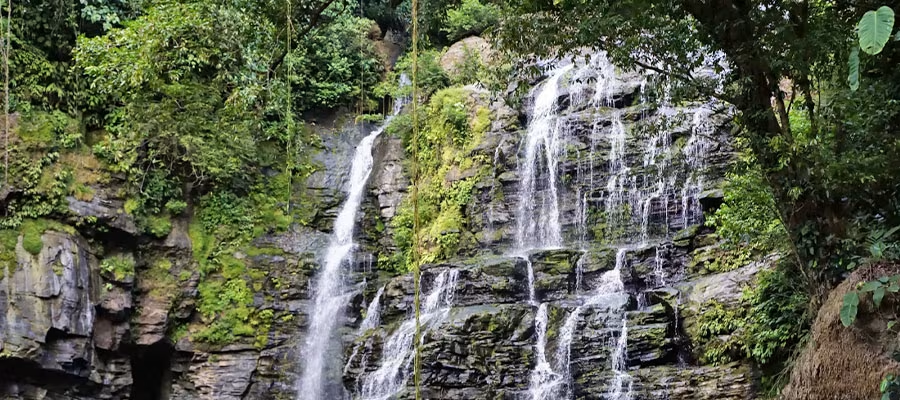
Nauyaca waterfall
Adventure
Ziplining in nearby Dominical / Osa region
ATV tours through jungle and rivers
Night wildlife tours (frogs, snakes, nocturnal mammals)
Beaches
Playa Arco (hidden beach, short hike)
Playa Ventanas (sea caves at low tide)
Playa Tortuga (very quiet)
Culture & chill
Organic markets & small cafés in Uvita center
Yoga classes, wellness retreats
Sunset watching almost every evening

Practical travel tips for Uvita
Uvita town
Uvita town itself isn’t a traditional sightseeing destination, but it’s a super practical base with everything you need for a smooth trip. The center is small and spread out, with grocery stores, bakeries, surf shops, cafés and a handful of relaxed restaurants. It’s not the kind of town where you stroll around for hours, but it’s convenient, safe and easy to navigate, which is exactly why so many travelers choose it as their home base on the Pacific coast.
You’ll find essentials like ATMs, pharmacies and tour operators, plus a few local spots worth checking out, including the Uvita Gastro Park for casual outdoor dining and several coffee shops that are perfect for an early-morning stop before heading to the beach or the national park.
In short, Uvita town isn’t a highlight on its own, but it’s comfortable, low-key and perfectly located for exploring beaches, waterfalls and Marino Ballena National Park.

Best time to visit Uvita
Uvita is a year-round beach destination, but your experience changes with the seasons.
Dry season (Dec-April): Best overall weather, calmer ocean, great beach days.
Green season (May-Nov): Lush jungle, fewer crowds, occasional heavy rain, still excellent for waterfalls and wildlife.
Whale watching peaks: July-October and December-March.
Tip: If you want both good weather and wildlife, February-March and August-September are ideal.
Budget and daily costs
Prices in Uvita vary, but here’s an honest idea of what most travelers spend:
Meals: 8-12 USD in sodas, 15-25 USD in casual restaurants
Surf lessons: 50-70 USD
Tours (whale watching, waterfalls, Caño Island): 60-180 USD
Car rental: Usually 40-70 USD/day for a 4x2 SUV (pickup at SJO is easiest)
I once grabbed a fresh pipa fría for 1.50 USD after a long hot hike, and it tasted like pure magic.

Do you need a car in Uvita?
Short answer : yes, unless you’re staying somewhere very central and don’t plan to explore much.
Distances are longer than they look, taxis are limited, and many waterfalls and viewpoints are not walkable from town.
A 4x2 SUV is enough for beaches and most hotels.
A 4x4 is useful if your lodge is up in the hills or if you want to explore harder-to-reach spots.
Best pickup points: San José Airport (SJO) or Quepos Airport.
Safety in Uvita
Uvita is generally safe, with a relaxed small-town vibe, but basic precautions apply.
Don’t leave valuables in your car (classic Costa Rica rule).
Watch currents when swimming, especially on wide beaches.
The town at night is calm; walking short distances is fine, but use a taxi for longer ones.
Wildlife: don’t feed animals, don’t touch anything in the jungle and always check where you step.
What to pack
Because Uvita mixes beach and jungle, your packing needs a little balance.
Lightweight clothes + swimwear
Reef-safe sunscreen
Bug spray
Water shoes for waterfalls
Rain jacket (even in dry season)
Dry bag if you’re going on a boat tour
Binoculars if you love wildlife
How long to stay
Most travelers find 3-4 nights perfect, but if you want to explore Caño Island, do a waterfall day, enjoy the Whale’s Tail and relax on the beach, 5 nights feels just right.
FAQ about Uvita Costa Rica
Is Uvita worth visiting? Yes. Uvita offers a rare mix of beaches, rainforest, waterfalls and wildlife in one compact, laid-back town. It’s perfect if you want nature without crowds.
What is Uvita known for? The iconic Whale’s Tail at Marino Ballena National Park, long whale-watching seasons, great snorkeling and relaxed Pacific coast beaches.
Do you need a car in Uvita? You can survive without one, but exploring waterfalls, hidden beaches and viewpoints is way easier with a rental car, ideally a 4x2 SUV.
When is the best time to visit Uvita? For weather: December-April; For whales: July-October and December-March; For a balance of everything: February-March or August-September.
Is Uvita good for families? Definitely. Calm beaches, easy waterfall hikes (uvita waterfall), wildlife everywhere (marino ballena national park, costa Ballena), beautiful beaches and lots of kid-friendly activities.
Can you swim at Uvita beaches? Yes, but always check the tide and current. Playa Hermosa and Playa Chaman are the easiest for swimmers.
Is the Whale’s Tail accessible anytime? Only at low tide. Plan your visit around the tide chart or you’ll miss the walk.
Final thoughts
Uvita is one of those places that surprises travelers in the best way. It’s relaxed but full of things to do, wild yet accessible, simple but incredibly scenic. You can hike to a waterfall in the morning, walk the Whale’s Tail at low tide, swim at a quiet beach in the afternoon and finish your day with a sunset that lights up the entire Pacific coast.
Whether you’re here for whales, snorkeling, surfing, jungle trails or just a few slow days under the palm trees, Uvita delivers that classic Costa Rica mix of nature, freedom and pura vida energy.
Enjoy every minute of it.