
Things to avoid in costa rica
What not to do in Costa Rica: 12 mistakes to avoid on your trip
Planning a trip to Costa Rica? Between the volcanoes, national parks, and picture-perfect beaches, it’s easy to focus only on what to do, but knowing what not to do can be just as important. Whether it’s avoiding a fine, staying safe, or simply respecting local culture and wildlife, a few simple rules can make the difference between a dream vacation and a real headache.
In this article, I’ll walk you through 12 key mistakes to avoid when visiting Costa Rica, some are actual laws, others are just major travel faux pas. From smoking in public to crossing rivers in your rental car, topless sunbathing to driving with a beer in hand (don’t even think about it), we’ll cover everything you need to know. And since Costa Rica is one of those places where nature comes first, we’ll also talk about how to travel responsibly and avoid harming local ecosystems.
Let’s dive in, because the fewer mistakes you make, the more pura vida you'll feel. (And yes, renting a car is still the best way to explore, just park legally, please.)
1. Smoking in public places
This isn’t Europe in the early 2000s. In Costa Rica, smoking is strictly prohibited in all public places, including restaurants, bars, bus stops, and even beaches. If you're caught lighting up, you could face a fine of up to ₡45,000 (around $85 USD). Want a smoke? Find a designated smoking area, though they're rare.

2. Going topless at the beach
It might feel freeing, especially under that tropical sun, but topless sunbathing is a big no-no in Costa Rica. This conservative, family-oriented country doesn’t appreciate nudity on public beaches. Keep the swimsuits on, unless you're at a very private eco-lodge that explicitly allows it (rare!).
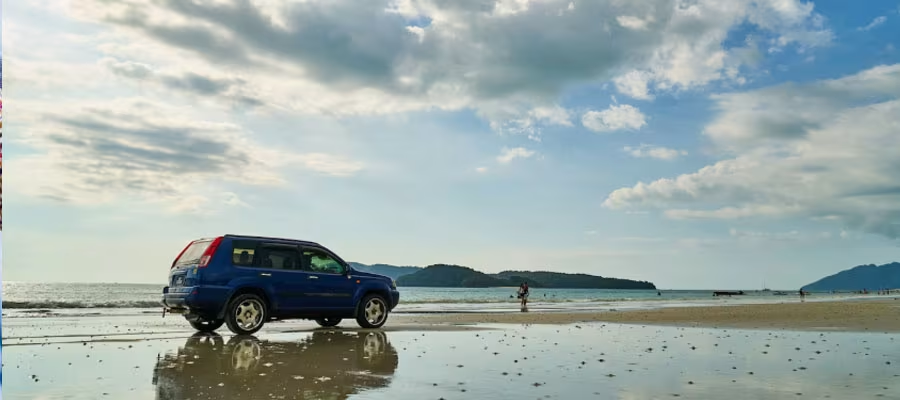
3. Driving on the beach or crossing rivers with your car
Even if you're in a 4WD and feeling adventurous, driving on beaches or fording rivers is illegal in most areas and can damage sensitive ecosystems. Worse, you risk flooding your engine (and voiding your rental insurance). Locals often joke: “If the crocs don’t get you, the tow bill will.”

4. Touching or feeding wild animals
Monkeys may look cute reaching for your banana, but feeding wildlife is dangerous and prohibited. It disrupts their diet, encourages aggression, and spreads disease. The same goes for sloths, coatis, raccoons, even toucans. Admire them, snap a photo, and let them stay wild.

5. Drinking and driving = zero tolerance
Costa Rica has a strict zero-tolerance policy on drinking and driving. That means 0.0% BAC is legally required if you're the driver. Random breathalyzer checks are common, and penalties include license suspension, heavy fines, and even jail time. Just call a cab or assign a sober driver.

6. Bringing plastic or leaving trash in national parks
Many national parks now ban single-use plastics altogether, and all visitors are expected to leave no trace. That means no plastic bags, straws, or bottles, and definitely don’t litter. You’ll see signs everywhere, and rangers do hand out fines. Bring a reusable water bottle and pack out what you pack in.

7. Taking sand or shells from the beach
Yes, that shell is gorgeous. No, you can’t bring it home. Removing sand, coral, or shells is technically illegal in many protected zones, especially in national parks or conservation areas. Leave nature where you found it,besides, customs might just confiscate your “souvenir.”

8. Flying a drone without a permit
Thinking of capturing that epic aerial shot? Drones are regulated by law in Costa Rica, and you must request a permit from the Directorate General of Civil Aviation. Flying near wildlife, national parks, or people without permission can lead to fines or confiscation of your gear.

9. Traveling without your original passport
Always carry your original passport, a copy isn’t enough if you’re stopped by police or at a checkpoint. You don’t need to bring it to the beach, but if you’re renting a car, boarding a domestic flight, or traveling between regions, don’t leave it behind.
10. Parking on yellow lines or in unmarked areas
Parking seems chill here, but don’t be fooled: yellow curbs mean no parking. Also avoid pulling over in random spots or in front of driveways. Illegally parked cars are regularly ticketed or towed, especially in tourist-heavy towns like Tamarindo, La Fortuna, or downtown San José. Stick to designated lots, even if it means a short walk.
11. Swimming with your car keys
It sounds silly until it happens. So many travelers have ruined their rental key fobs by taking an impromptu dip with them in their swim shorts. Replacement fees can hit $200+, and your day trip could turn into a waiting game for roadside assistance. Pro tip: bring a dry bag or leave them safely locked up.
12. Putting on your shoes without checking first
It’s not fear-mongering, it’s just solid advice in a tropical country. Before sliding your foot into a boot, sneaker, or even a flip-flop that’s been outside, give it a shake. Spiders, scorpions, and other little creatures like dark hiding spots. It's rare, but better safe than ouch.

FAQ – What not to do in Costa Rica: quick answers
Can I smoke in public places in Costa Rica? Nope. Smoking is banned in most public areas, including bus stops, parks, restaurants, and even beaches. Fines apply.
Is topless sunbathing legal on Costa Rican beaches? While technically not illegal, it’s culturally frowned upon and can draw negative attention, especially on family beaches.
Can I drive on the beach with my rental car? No. Driving on beaches is illegal, and doing so may void your rental insurance. You risk both fines and serious vehicle damage.
Is it okay to feed or touch wild animals? Please don’t. It’s harmful to the animals and could be dangerous for you. It’s also illegal in national parks and reserves.
Can I use a drone during my trip? Yes, but only with proper permits from DGAC (Costa Rican Civil Aviation Authority). Flying a drone without authorization can lead to confiscation or fines.
Do I need to carry my actual passport? Yes. A copy isn’t enough. You need to have the original on you for ID checks and hotel check-ins.
Is there zero tolerance for alcohol while driving? Yes. Costa Rica enforces strict DUI laws, and even small amounts can land you in big trouble with costa rican authorities.
Can I bring back shells or sand from the beach? Technically, it’s prohibited in most protected areas. It also contributes to environmental degradation, leave only footprints
Final thoughts: it’s all about awareness and respect
Costa Rica is an incredibly safe and welcoming country, but just like anywhere, a little local know-how goes a long way. These “don’ts” aren’t here to scare you. They’re here to help you blend in, travel responsibly, and avoid fines, accidents, or awkward stares from the locals.
Stick to the rules, stay curious, and you'll have a pura vida kind of trip
Need more flexibility to explore safely? Renting a car in Costa Rica (especially a 4×4 or SUV) is often the best way to reach those off-the-beaten-path beaches, national parks, and wildlife-rich regions. Whether you're landing in San José or Liberia, having your own ride makes all the difference.