
Is Costa Rica dangerous ?
Is costa rica safe to visit? here’s what you really need to know
Costa Rica is one of the most visited destinations in Central America. And for good reason, it’s stunning, it’s adventurous, and it’s just a short flight away from the US and Canada. But before booking that jungle lodge or beach villa, one question keeps popping up in travel forums and group chats: is Costa Rica safe?
Absolutely, it’s actually one of the safest countries in Latin America. That said, like anywhere, it pays to stay alert and follow a few common-sense precautions. The country is politically stable, people are welcoming, and tourism is a huge part of the economy. But like anywhere popular, it comes with its own set of risks: petty theft, beach hazards, tropical illnesses, and a few nature surprises if you’re not prepared.
In this guide, I’ll break it all down clearly:
crime and how to avoid it,
health tips and mosquito prevention,
natural hazards like rip currents and toxic trees,
how to stay safe on the road if you’re renting a car,
plus practical things you need to pack, know, or not do (trust me, some of them are surprising).
And if you're the kind of traveler who prefers to avoid trouble altogether, make sure to read my full article on what not to do in Costa Rica, it’s basically a guide for tourists who don’t want to look like tourists.
Quick safety snapshot
Costa Rica is rated Level 2 – Exercise Increased Caution by the U.S. State Department (mainly for petty crime in tourist areas).
Violent crime involving tourists is rare, but theft and scams do happen, especially if you’re distracted or leave things in the car.
Health-wise, you’ll want to protect yourself from mosquitoes (dengue is the main issue), and be up to date on basic vaccinations.
Beaches may look calm, but rip currents can happen, and not all beaches have lifeguards.
Some of Costa Rica’s natural beauty can bite, sting or burn (literally). I’ll tell you how to avoid the nasty stuff.
Crime & Personal Safety
The Real Deal On Crime In Costa Rica
Let’s clear this up right away: Costa Rica is not a dangerous country, but like any tourist hotspot, it has its issues. I’ve traveled here solo, in couples, with friends, and while I’ve never felt seriously unsafe, I’ve also seen enough to know you have to be smart.
The biggest threat? Petty theft. Think pickpocketing, snatch-and-grabs, break-ins targeting tourists who leave their stuff in the car or on the beach.
Drug use and trafficking do exist in Costa Rica, especially around certain nightlife areas in the bigger cities. Travelers should avoid buying or carrying any drugs, penalties are serious, and street dealers can be unsafe. It’s also best to stay away from known hot spots or poorly lit neighborhoods after dark, particularly in San José and Limón. Stick to well-traveled areas, use official transportation, and you’ll be fine.
So here’s how to stay safe without turning your trip into a military operation.
Common Scams & Theft Hotspots
You’ll see the signs in many places: “Don’t leave valuables unattended,” “Watch your bags,” “Park at your own risk.” These aren't overkill.
Beaches: avoid leaving stuff on the sand while you swim.
Cars: if you rent a vehicle (which I highly recommend), don’t leave bags inside.
Bus stations, markets, and crowded city streets: keep your bag in front, zipped, and your phone out of sight unless you’re using it.
Tip : Use a crossbody bag that zips and stays close. Backpacks are easy targets. And when you’re in towns like Jacó, San José, or Limón (all totally visitable) just be a bit more on guard.

What To Do If Something Goes Wrong
Hopefully, it won’t. But if you’re in a situation (theft, accident) here’s what to know:
Dial 911 in any emergency. It works nationwide and connects to police, medical, or fire services.
There are also Tourist Police units in places like Tamarindo, Manuel Antonio, and La Fortuna. They speak English and are used to helping travelers.
Keep digital and printed copies of your passport, driver’s license, and insurance documents, it saves a ton of stress.
And one last tip? If you’re American, sign up for the STEP program (Smart Traveler Enrollment Program). Canadians, you have something similar with your embassy. It’s quick, free, and gives your embassy a heads-up if something major happens.
Health & Diseases
Health & Vaccination Tips You’ll Actually Use
Costa Rica doesn’t require any specific vaccines to enter, but that doesn’t mean you should skip a visit to your travel clinic. Before my first trip, my doctor insisted on Hepatitis A, totally fair, especially if you plan to eat local or rural. I also updated my routine vaccines (Tetanus, MMR, etc.) and packed bug spray like it was gold.
If you're heading into jungle areas or the Caribbean coast (like Limón or Tortuguero), your doctor might mention malaria pills, but it's rare. For 95% of travelers though, the real concern is dengue.
I didn’t get it, but a French backpacker I met in Monteverde did, four days of fever and zero energy. Lesson: repellents, long sleeves in the evening, and closed windows when possible.
You don’t need to freak out, but be mosquito-smart.

Can You Drink The Water? And Other Food Facts
The answer is: yes, mostly. Tap water is safe in most major towns and tourist zones like San José, Arenal, Monteverde, and the Nicoya Peninsula. But in rural or remote areas, I personally play it safe with bottled or filtered water.
Food-wise, Costa Rica is pretty safe if you use common sense. Local “sodas” (small restaurants) are often cleaner than you think, I’ve eaten gallo pinto and casados in roadside joints for $4 and never had an issue. But if something smells off, or the ceviche has been sitting in the sun? Walk away.
Pro tip: carry a few basic meds (Imodium, painkillers, rehydration tabs) just in case. It’s not dramatic, it’s just smart.
Do you Need Travel Or Health Insurance For Costa Rica?
Yes, travel insurance isn’t mandatory to enter Costa Rica anymore, but it’s still a really smart move.
Medical care in Costa Rica is generally good, private clinics in tourist areas are clean, modern, and often English-speaking. But it’s not cheap. A broken arm, an ambulance, or even a severe allergic reaction could cost you hundreds or thousands out of pocket if you're uninsured. And if you need to be medically evacuated (it happens), that bill can hit $20,000+.
Natural risks
Nature’s Beautiful… And Sometimes Brutal
Costa Rica’s nature is legendary. Volcanoes, waterfalls, cloud forests, jungles… and yes, things that can bite, sting, burn or pull you out to sea.
Rip currents & beach safety
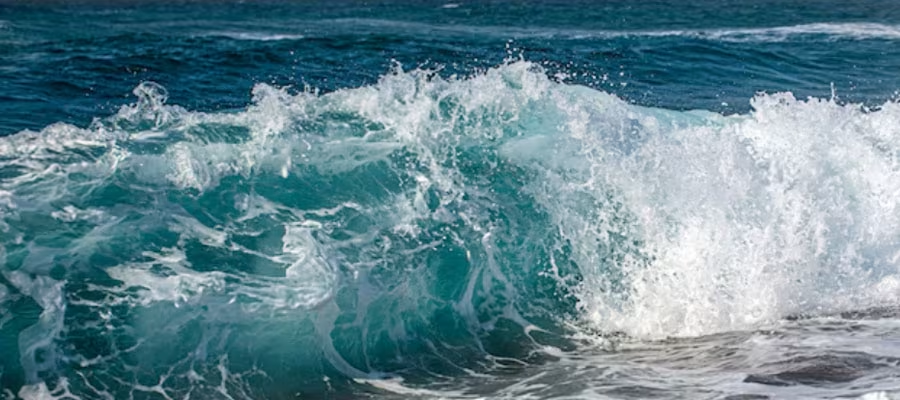
As everywhere in the world, be careful on beaches with strong currents. Families should stick to calmer, more sheltered spots. The ocean can look calm, but the currents are sneaky. Swim where others are swimming, avoid isolated beaches unless you're with a local, and know how to escape a rip (swim parallel to the shore, not against it). I once saw a guy get pulled out fast at Playa Hermosa, lucky for him, a surfer helped. There was no lifeguard in sight.
Some beaches (like Tamarindo, Flamingo, and Manuel Antonio) have started adding lifeguards, but it's still inconsistent. Always check the flag system: red = no go, yellow = caution, green = safe but stay aware.
Dangerous trees, bugs & animals
Ever heard of the manchineel tree? It looks totally normal, but it’s one of the most toxic trees in the world. The sap can cause skin burns, and even standing under it in the rain can lead to nasty blisters. Avoid touching unfamiliar trees with little warning signs on them.
You might also encounter crocodiles in estuaries, especially near river mouths on the Pacific side. I saw one in Sámara, calmly sunbathing 50 meters from a paddleboarder. No drama, just… keep your distance.
As for insects and snakes: they exist, but they're not hunting you. Keep your shoes inside, don’t poke into jungle holes, and let nature do its thing while you enjoy the view.

Volcanic Eruptions, Earthquakes & Natural Surprises
Costa Rica has active volcanoes and regular small earthquakes, but serious incidents are rare. Most tremors feel like a truck passing by, I’ve experienced a couple, and honestly, they were more surprising than scary.
Popular volcanoes like Arenal and Poás are closely monitored, and national parks close if there's unusual activity. Follow signs, don’t go off-trail, and you’ll be fine.
In rainy season, landslides and flash floods can happen, especially in mountain areas. Always check road conditions before long drives, I’ve had to change plans last minute after a landslide blocked a route near Monteverde.
Costa Rica’s nature is powerful, yes, but if you stay alert, it’s not a threat. It’s just part of the adventure.

Renting A Car In Costa Rica: What You Need To Know To Drive Safe
Renting a car in Costa Rica is, hands down, the best way to explore. You’ll have the freedom to chase waterfalls, discover secret beaches, and stop for roadside empanadas whenever you feel like it. But let’s be clear, driving here is not like cruising down I-95.
Road Conditions & Night Driving
Main highways are generally paved and decent, especially around tourist zones. But once you head into rural areas, it gets bumpy, potholes, gravel, one-lane bridges, and the occasional cow crossing the road. During rainy season (May to November), expect mud, landslides, or washed-out sections in some mountain zones.
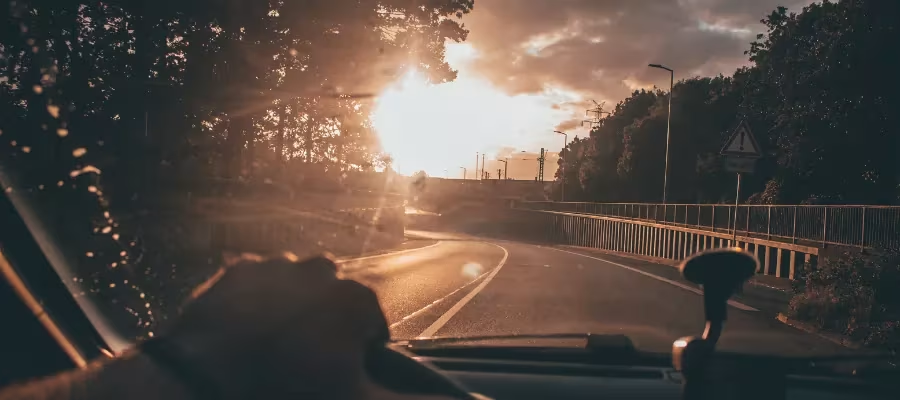
My rule? Avoid driving at night unless you really have to. Street lighting is rare outside towns, GPS signals can drop, and road markings fade into black. I’ve driven from Monteverde after sunset once, not dangerous per se, but super stressful.
Do You Really Need A 4x4?
If you’re staying along the coast (Tamarindo, Flamingo, Puerto Viejo), a compact car is usually fine. But if your itinerary includes Monteverde, Nosara, Río Celeste, or anywhere off the beaten track… get the 4x4. It’s not just about climbing hills, it’s about getting through rivers, gravel, and surprise mud pits.
Insurance Tips You’ll Be Glad You Read
Here’s where many travelers get caught off guard: Costa Rica requires mandatory liability insurance, and it’s often not included in those tempting “$10/day” online quotes. The honest rental companies? They show the real cost upfront, with no hidden fees waiting for you at the counter.
Mandatory insurance (SLI/PLI): covers damage to third parties, required by law.
Collision Damage Waiver (CDW): optional, but highly recommended unless your credit card already covers it (check before you travel).
Zero deductible or full coverage: more expensive, but stress-free. You scratch the bumper on a dirt road? You’re covered.
Pro tip: Take photos of the car when you pick it up and return it. I do this every time, never needed them, but if something goes wrong, you’ll be glad you have proof.

Parking & Anti-Theft Tips
Most thefts involving tourists happen in parked cars.
Don’t leave anything inside, not even a jacket or empty backpack.
Use guarded or hotel parking lots whenever possible.
Never leave your GPS, phone, or documents in the glove box.
If you’re planning to stop at a beach or waterfall mid‑road trip, take your valuables with you. I know it’s annoying, but it beats dealing with a broken window and a ruined vacation.
Practical Checklists & FAQ
What To Pack (Besides Flip-Flops)
Costa Rica is pretty easy-going in terms of gear, but if you pack like you’re going to Miami Beach, you're gonna suffer.
Here’s what saved me, trip after trip:
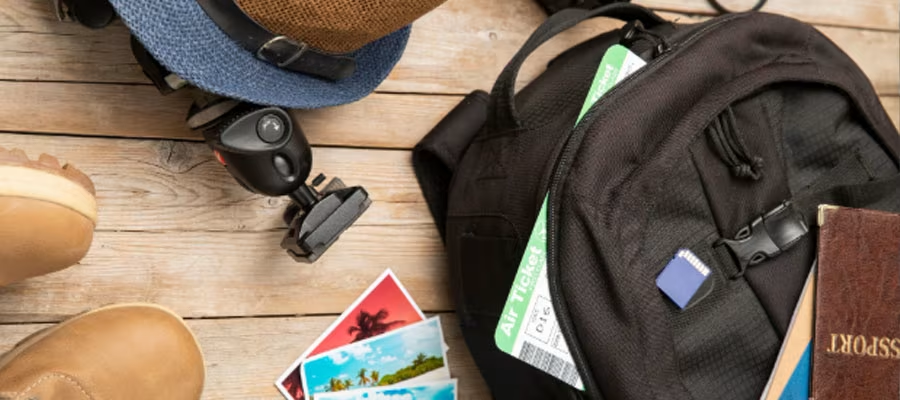
A good mosquito repellent (with DEET or picaridin), no joke, I apply it like sunscreen.
Lightweight long sleeves and pants, for jungle hikes, cool evenings, and mosquito zones.
Reef-safe sunscreen, not just for your skin but to avoid destroying coral reefs.
Dry bags or waterproof pouches, for your phone, cash, and documents (especially during boat tours or rainy season).
Copies (digital + printed) of your passport, insurance, and ID.
A small first-aid kit: think Imodium, ibuprofen, rehydration salts.
Oh, and bring a headlamp. It’s ridiculously useful when the power cuts out in rural areas or you're hiking back at sunset.
Travel Smart, Not Paranoid
Here are some daily habits that’ll make your trip smoother and safer:
Use hotel safes or keep your valuables close and discreet.
Never leave anything in your car.
Book tours and shuttles with legit agencies, if they have no reviews or license number, walk away.
Check weather reports before hikes or rafting trips, especially in the rainy season.
Trust your gut, if a place feels off, it probably is.
I once passed on a super cheap jungle tour because the operator gave me zero info, no liability coverage, no license. Turns out the group got caught in a flash flood. They were fine, but I slept great that night.
FAQs: What Travelers Are Really Asking
Is Costa Rica safe for solo female travelers? Yes, as long as you take the usual precautions. Stick to populated areas, avoid isolated roads or beaches after dark, and trust your instincts. Many women I’ve met there were traveling solo and loving it. See our full article on solo female travelers in Costa Rica.
Can I drink the tap water? In most touristy areas like San José, La Fortuna, and Tamarindo, yes. In rural places? Go bottled to be safe. I use a filter bottle to avoid plastic waste.
What vaccines do I need? Nothing is mandatory, but Hepatitis A is strongly recommended. Tetanus and MMR should be up to date. Depending on your itinerary, your doctor may suggest Typhoid or malaria pills.
Are there dangerous animals? Yep, but you’re not their target. Crocs hang near estuaries, snakes stay hidden unless disturbed, and insects are more annoying than dangerous. Just don’t go poking around in holes or under rocks, and you’ll be fine.
What do I do in an emergency? Dial 911, it works nationwide. Many tourist areas also have Tourist Police (they speak English). And always have your embassy contact info saved somewhere accessible.
Final Thoughts
Costa Rica is not a perfect paradise, but it’s pretty close, as long as you travel smart. Yes, petty theft exists. Yes, the ocean has its moods. And yes, there are a few critters you’ll want to keep at arm’s length. But none of that should stop you from coming.
Most travelers go home with nothing but sun-kissed skin, a thousand photos, and the phrase pura vida stuck in their head. I’ve been here multiple times, and I still keep coming back, because the energy, the people, the landscapes… they’re just that good.
So if you’re planning your trip:
Rent a car from San Jose or Liberia Airport to explore at your own pace, especially if you're heading off the beaten path.
Read my guide on what not to do in Costa Rica, it’s full of easy-to-avoid mistakes that’ll save you money, stress, and possibly an awkward run-in with the police or a tree that burns your skin.
Pack well, trust your instincts, stay aware, and let Costa Rica do the rest. Trust me, the hardest part isn’t staying safe. It’s saying goodbye.