
Wildlife in Costa Rica: Must-See Animals and Where to Spot Them
Costa Rica animals : What you’ll really see, and where to find them
If you’re planning a trip to Costa Rica, chances are you’re wondering which animals you’ll actually see, where to spot them without spending days in the jungle, and whether those famous sloths, monkeys or toucans are more than just brochure material. Good news, Costa Rica wildlife is not a myth, but knowing where to go, when to look, and what to expect makes all the difference.
In this guide, I’m breaking down the most iconic animals in Costa Rica, from sloths and monkeys to toucans, sea turtles and some rarer species, with specific places to see wildlife, realistic chances of sightings, and practical travel tips based on time on the ground. I’ll also cover the best national parks for wildlife, the difference between guided and self-guided spotting, seasonal highlights like turtle nesting, and a few common questions travelers always ask before their first visit.
Quick snapshot: Costa Rica wildlife at a glance
If you’re short on time or just want the big picture, here’s what most travelers actually see during a first trip, and what requires a bit more luck, timing, or the right place.
Animals you’re very likely to see
Sloths, especially around Manuel Antonio, La Fortuna, and the Caribbean side
Monkeys (howler and white-faced capuchin are the easiest), often right near trails or beaches
Toucans, particularly in lowland rainforests and forest edges
Coatis, curious and everywhere in popular national parks
Iguanas and lizards, basically daily sightings in warm areas
Animals you can see with good timing
Scarlet macaws, common around the Central Pacific and parts of the Osa Peninsula
Sea turtles, mainly during nesting season in Tortuguero and on the Caribbean coast
Crocodiles and caimans, especially near rivers and mangroves
Animals that are rare, but possible
Tapirs, mostly in Corcovado and remote rainforest areas
Jaguars, extremely elusive, sightings do happen but should never be expected
This article focuses on realistic wildlife experiences, not guarantees. I’ll show you where sightings are easiest, when a guide truly helps, and how to plan your route so wildlife encounters feel natural, not forced.
The iconic animals you’ll see in Costa Rica (and where to look)
Sloths
Sloths are the undisputed poster child of Costa Rica wildlife, and yes, you can see them without trekking deep into the rainforest or joining an expensive expedition. They’re surprisingly common around Manuel Antonio, La Fortuna, and the Caribbean coast, often hanging in trees right above roads, hotel gardens, or park trails. Early morning helps, but the real key is slowing down, looking up, and sometimes having a guide who knows exactly where to scan.
Costa Rica is home to two sloth species, the two-toed and the three-toed sloth, and they behave a bit differently, which explains why some are easier to spot than others.
If you want to go deeper, I’ve broken down where to see each species, how to tell them apart, and what increases your chances in a dedicated sloth guide.

Monkeys
Costa Rica has four species of monkeys, and most visitors encounter howler monkeys first, usually by hearing their deep calls echoing through the forest before seeing them. White-faced capuchins are also very common, especially near beaches and popular parks like Manuel Antonio, where they’re active, curious, and sometimes a little too comfortable around people.
The other two species, spider monkeys and squirrel monkeys, are more region-specific and require the right habitat. Forest edges, coastal trails, and fruiting trees are your best bets overall, and sightings are frequent even on short walks if you’re in the right area.
I’ve put together a full guide explaining where each monkey species lives in Costa Rica and where travelers have the best chances to see them.
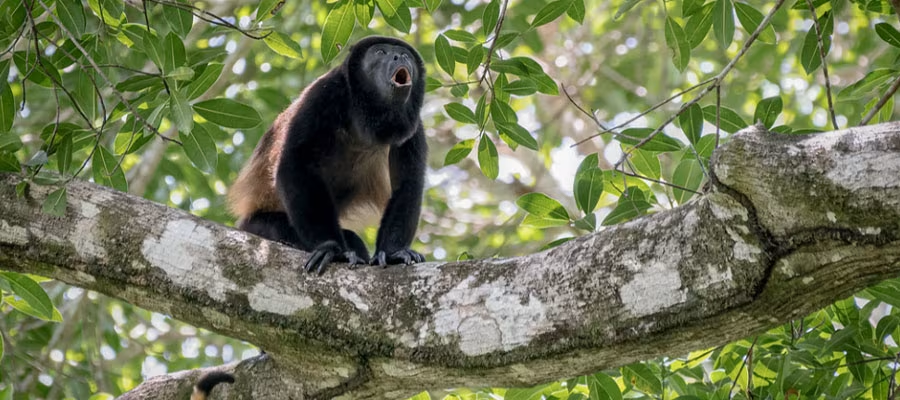
Howler monkey
Toucans
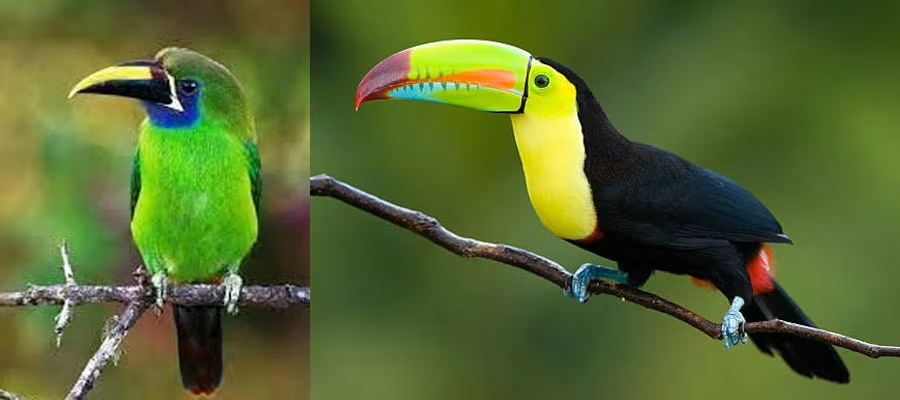
Bright, loud, and impossible to miss once you recognize their call, toucans are among the easiest birds to spot in Costa Rica. They tend to favor forest edges rather than deep jungle, which explains why they’re so often seen around Monteverde, Arenal, and the Caribbean side. It’s not uncommon to spot one from a lodge balcony, a hotel garden, or even a roadside pullout.
Several toucan species live in Costa Rica, including the iconic keel-billed toucan, and each prefers slightly different environments.
If you’re curious about the differences, habitats, and best regions for each, there’s plenty to unpack in a dedicated toucan article.
Birds beyond toucans
Toucans may get the spotlight, but they’re just a small part of Costa Rica’s birdlife. The country is a birdwatcher’s paradise, home to hundreds of species ranging from tiny hummingbirds to large, colorful macaws. Highlights include the resplendent quetzal in cloud forests like Monteverde, scarlet macaws along the Pacific coast, various parrots and parakeets, and countless species of hummingbirds that seem to appear everywhere once you slow down.
You don’t need to be a hardcore birder to enjoy this, many birds are visible on casual walks or even around hotels.
Still, knowing where each group tends to live makes a huge difference, which is why I’ve grouped Costa Rica’s most emblematic birds and their best regions in a separate bird-focused guide.


Scarlet macaws
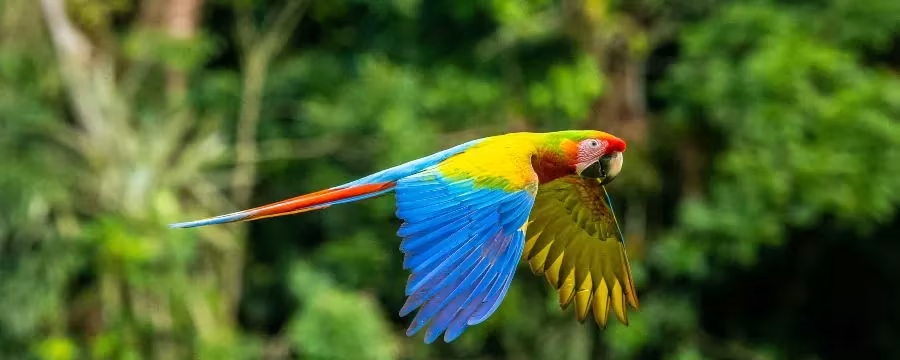
Few wildlife moments compare to seeing scarlet macaws flying overhead, flashing red, blue, and yellow against the forest or coastline. They’re most reliable along the Central Pacific coast and in parts of the Osa Peninsula, often near rivers, coastal forests, or feeding trees. Morning and late afternoon are prime times, when they move between nesting and feeding areas.
Scarlet macaws were once endangered in Costa Rica, and their recovery is one of the country’s conservation success stories.
Coatis
Coatis are one of the animals travelers often see before they even realize what they’re looking at. Part of the raccoon family, they’re active, curious, and usually move in small groups, especially in national parks. You’ll often spot them crossing trails, foraging on the forest floor, or climbing low branches, sometimes very close to visitor areas.
They’re particularly common in parks like Manuel Antonio, Santa Rosa, and Corcovado, where they’ve adapted well to different ecosystems. While coatis are not dangerous, they’re bold and food-motivated, which makes it important to keep your distance and secure your belongings. For many visitors, coatis end up being one of the most frequent and memorable wildlife encounters of the trip. See our coatis dedicated guide.

Sea turtles
Sea turtles are a seasonal highlight, not an everyday sight, and that distinction matters. Tortuguero, on the Caribbean coast, is the most famous nesting area of green sea turtles, with peak seasons varying depending on the species. Visits are regulated, guided, and limited in numbers, which keeps the experience respectful and meaningful rather than chaotic.
Costa Rica hosts several turtle species, including green turtles and leatherbacks, each with its own migration and nesting patterns.
If turtles are high on your list, timing your trip correctly is essential, and I break down the seasons, locations, and rules in a dedicated sea turtle guide.

Crocodiles and caimans
Not everyone’s favorite animals, but undeniably iconic. Crocodiles and caimans are surprisingly easy to see in Costa Rica, often from bridges over rivers or along mangroves in warm lowland areas. They’re common, visible, and a strong reminder that Costa Rica’s wildlife is wild, not staged.
Most sightings are completely safe as long as you respect warning signs and keep your distance.
Understanding where these reptiles live, and where not to swim, is part of traveling smart, and it’s a topic I cover in more detail in a separate crocodile and caiman overview.

Whales and marine giants
Seeing whales in Costa Rica is absolutely possible, but it’s 100% seasonal, and location matters a lot. The country is one of the rare places in the world where humpback whales migrate twice a year, coming from both the northern and southern hemispheres. The Pacific coast is where it happens, especially around Marino Ballena National Park (Uvita) and the Osa Peninsula. When conditions are right, breaches, tail slaps, and calves swimming alongside their mothers are not rare.
That said, whale watching requires planning. You need to be there during the right months, book a licensed boat tour, and accept that nature sets the rules. When it works, it’s one of the most powerful wildlife experiences Costa Rica has to offer, very different in scale and emotion from rainforest encounters.
You can read our whales dedicated guide to learn more.

Big cats and elusive felines
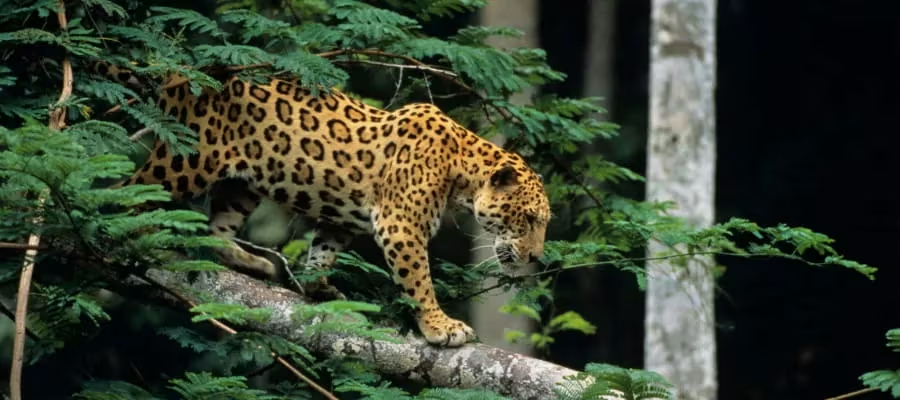
Costa Rica is home to several wild cats, including jaguars, pumas, ocelots, and margays, and their presence is a strong indicator of how healthy the ecosystems still are. However, these animals are extremely elusive, mostly nocturnal, and avoid humans by instinct. Even experienced guides working full-time in remote parks may go years without a direct sighting.
The best chances, purely on paper, are in places like Corcovado National Park and other remote rainforest areas of the Osa Peninsula, where hu
man pressure is minimal. For travelers, these animals belong in the category of “amazing if it happens, never expected.” Knowing they’re there adds depth to the experience, but wildlife trips should never be built around seeing them.
If you’re curious about Costa Rica’s jaguars, pumas, and other elusive wild cats, I’ve put together a dedicated guide about big cats, explaining where they live, how rare sightings really are, and what travelers should realistically expect.
Iguanas and large reptiles
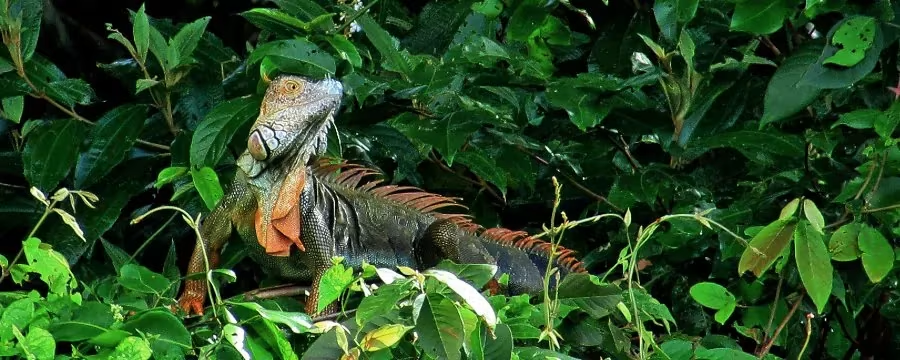
Iguanas are one of the most consistently visible animals in Costa Rica, and many travelers are surprised by how quickly they become part of the daily landscape. You’ll see them basking in the sun along rivers, near beaches, in national parks, and sometimes even in towns. Green iguanas are the most common, especially in warmer, lowland areas.
They’re calm, used to human presence, and easy to observe without effort or special timing. For first-time visitors, iguanas often provide some of the closest and clearest wildlife encounters, a great reminder that Costa Rica’s biodiversity isn’t hidden, it’s woven into everyday life.
Frogs and amphibians
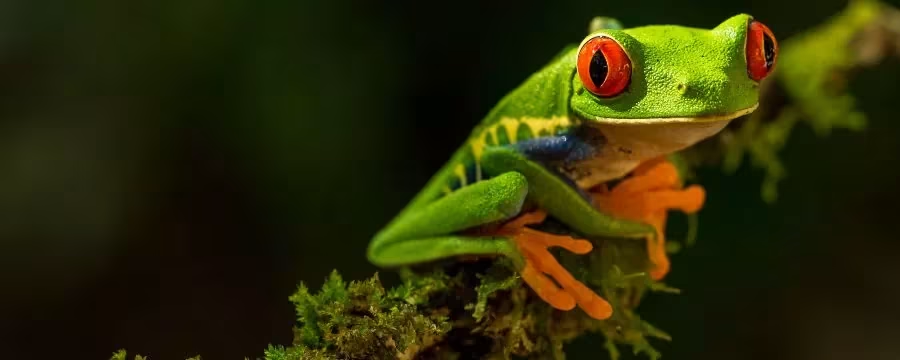
Frogs are one of Costa Rica’s most fascinating wildlife surprises, especially once the sun goes down. From tiny poison dart frogs to the famous red-eyed tree frog, these amphibians thrive in humid environments and are most active after rain or during the evening. Night walks, even short ones near towns or lodges, dramatically increase your chances of seeing them.
Costa Rica is home to dozens of frog species, each adapted to a specific ecosystem, from lowland rainforest to cloud forest. You don’t need to be deep in the jungle to encounter them, many sightings happen close to trails, rivers, and gardens, as long as conditions are right. For many travelers, frogs end up being one of the most unexpectedly memorable parts of the wildlife experience.
If you’d like to explore Costa Rica’s incredible frog diversity in more detail, I’ve created a Costa Rica frogs dedicated guide focused on habitats, timing, and real-life sightings.
Spiders and snakes: what travelers should really know
Spiders and snakes exist in Costa Rica, but they’re far less of an issue than many travelers imagine. Most species are shy, avoid humans, and are encountered far less often than monkeys, sloths, or even iguanas. For the average visitor sticking to marked trails, towns, beaches, and lodges, sightings are occasional, brief, and usually harmless.
Large spiders, including tarantulas, look impressive but are generally non-aggressive and mostly active at night. They’re part of the ecosystem, not a danger to travelers. As for snakes, Costa Rica does have venomous species, but encounters are rare, and bites involving tourists are extremely uncommon. Most snakes avoid noise and movement, and simply keeping to trails, wearing closed shoes, and watching where you step is enough to stay safe.
National parks, guides, and lodges are well aware of wildlife risks and follow strict safety practices. When basic precautions are respected, spiders and snakes remain a background element of the rainforest, not a defining part of the travel experience.
For travelers who want facts rather than fear, I’ve also written focused articles on Costa Rica’s spiders and snakes.

Best places to see wildlife in Costa Rica, by region
Where you stay, and how you move around, matters more than most people think. Some areas make Costa Rica animals spotting almost effortless, others are wilder, richer, but demand more time and planning. Here's the best parks to observe iconic animals of Costa Rica.
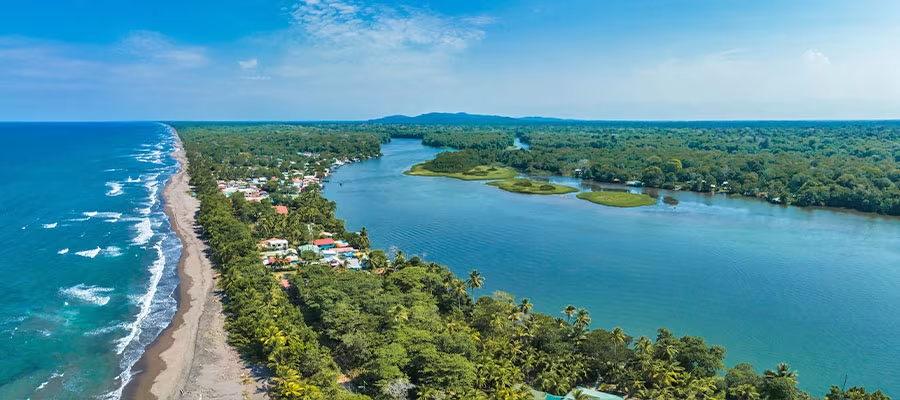
Tortuguero National Park
Tortuguero is all about canals, jungle, and wildlife at water level. Sloths, monkeys, caimans, birds, you’ll see a lot without covering long distances. It’s also the top place for sea turtle nesting, with guided night walks during the season. Boat tours early in the morning are when the park really comes alive, quiet, misty, and full of movement.
Manuel Antonio National Park
If you want easy sightings with minimal effort, Manuel Antonio is hard to beat. Sloths, capuchin monkeys, iguanas, birds, often within the first hour. Trails are short, well maintained, and close to the beach, which makes this park perfect if wildlife isn’t the only focus of your trip. Go early, crowds build fast.
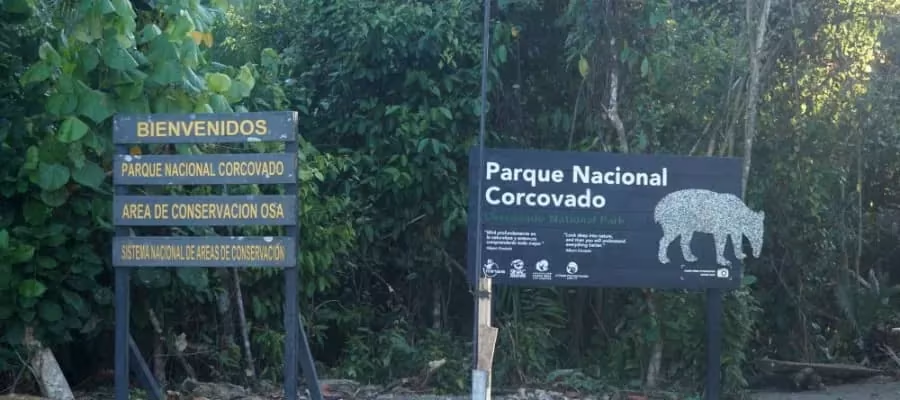
Osa Peninsula and Corcovado National Park
This is the wildest corner of Costa Rica, and it shows. Corcovado offers the highest biodiversity in the country, with chances to see tapirs, all four monkey species, macaws, and a long list of birds and reptiles. It’s more demanding, access is regulated, guides are mandatory in many areas, and that’s exactly why the wildlife experience feels so raw and rewarding.
Monteverde Cloud Forest
Monteverde is cooler, misty, and completely different from the lowland rainforest. Wildlife here is more discreet, but birdlife is outstanding. This is one of the best places for birdwatching, and with some luck, species like the resplendent quetzal. Guided walks help a lot, animals blend perfectly into the cloud forest.
Arenal and La Fortuna
Arenal Volcano National Park is a solid all-around choice. You won’t see as much wildlife density as in Corcovado, but sloths, monkeys, birds, and reptiles are common, especially in reserves and along quieter trails. It’s also one of the easiest regions to combine nature, activities, and comfortable lodging.
Caribbean coast (Cahuita and Puerto Viejo)
The Caribbean side feels slower and greener, and wildlife is often right next to the road or trail. Cahuita National Park is a favorite for monkeys and sloths with ocean views, and the surrounding area is great for casual, unforced encounters, sometimes just by walking to the beach.
Up next, I’ll share wildlife watching tips that actually work, from timing and guides to small details that dramatically improve your chances, without turning your trip into a checklist.
Santa Rosa National Park
Santa Rosa National Park offers a very different wildlife experience from Costa Rica’s lush rainforests, and that’s precisely what makes it interesting. Located in Guanacaste, this park protects one of the best examples of tropical dry forest in Central America, an ecosystem that looks quiet at first but rewards patient observers.
Wildlife here tends to be more discreet, yet very authentic. Howler monkeys, white-tailed deer, coatis, and a wide variety of birds adapted to dry conditions are commonly seen, especially early in the morning. Reptiles are also part of the landscape, and the open forest makes spotting movement easier once your eyes adjust.
Wildlife sightings at a glance
This quick overview shows where wildlife sightings are easiest in Costa Rica, and how likely you are to see each animal during a typical trip.
Animal | Easiest places to see them | Chance level |
Sloths | Manuel Antonio, La Fortuna, Caribbean coast | Very high |
Monkeys | Manuel Antonio, Cahuita, Osa Peninsula, Santa Rosa | Very high |
Toucans | Monteverde, Arenal, Caribbean side | High |
Scarlet macaws | Central Pacific coast, Osa Peninsula | High |
Coatis | Manuel Antonio, Santa Rosa, Corcovado | Very high |
Birds (general) | Monteverde, Arenal, Caribbean coast | Very high |
Sea turtles | Tortuguero, Caribbean coast (seasonal) | Medium to high (seasonal) |
Whales | Marino Ballena (Uvita), Osa Peninsula (seasonal) | Medium (seasonal) |
Crocodiles & caimans | Rivers, bridges, mangroves | High |
Iguanas | Lowlands, beaches, towns, national parks, Santa Rosa | Very high |
Tapirs | Corcovado National Park | Low |
Big cats (jaguar, puma, ocelot) | Corcovado, remote rainforest areas | Very low |
Wildlife watching tips that actually work
You don’t need extreme hikes or expensive tours to see animal species in Costa Rica, but a few smart choices can completely change your experience.
Timing matters more than distance. Early mornings and late afternoons are when animals are most active, the forest is quieter, and temperatures are lower. Midday walks can still be pleasant, but sightings drop fast once the heat and crowds build up.
A guide is often worth the price. In places like Manuel Antonio, Monteverde, or Corcovado, local guides spot animals you’d walk past ten times without noticing. Expect to pay a reasonable daily rate, but the value comes from learned eyes, context, and ethical spotting, not rushing from sighting to sighting.
Slow down, then slow down again. Most first-time travelers walk too fast. Wildlife appears when you stop, listen, and look up. I’ve seen sloths and toucans on “boring” trails simply because I paused while others kept moving.
Bring the right basics. Lightweight rain gear, closed shoes, water, and if possible, binoculars. A phone works fine for photos, but zoom helps, and never use flash, especially at night.
Respect the rules, always. No feeding, no touching, no chasing, no drones in parks. Distance matters, not just for safety, but because stressed animals disappear fast. Responsible behavior leads to better sightings for everyone.
These small adjustments don’t just increase your chances, they make wildlife encounters feel natural, calm, and genuinely memorable.

Best time of year to see wildlife in Costa Rica
There’s no bad time to see wildlife in Costa Rica, but different seasons offer different experiences. During the dry season (December to April), trails are easier, visibility is better, and wildlife spotting feels more comfortable, especially for first-time visitors. It’s also a great period for birds and everyday sightings like sloths and monkeys.
The green season (May to November) brings thicker vegetation, fewer crowds, and some of the most impressive wildlife moments of the year. This is when sea turtles nest on the Caribbean coast, waterfalls are at their best, and the rainforest feels alive. Whale watching on the Pacific coast also peaks during specific months. In short, timing your trip isn’t about avoiding wildlife, it’s about choosing which highlights you want to prioritize.
FAQ: iconic animals in Costa Rica
Are wildlife sightings guaranteed in Costa Rica? No, and that’s actually part of what makes the experience special. That said, animals like sloths, monkeys, iguanas, birds, and coatis are seen very frequently in the right places. With good timing and realistic expectations, most travelers see a lot.
Where are sloths the easiest to see? Areas around Manuel Antonio, La Fortuna, and the Caribbean coast are among the easiest. Sloths often live in trees near roads, hotels, and park edges, not just deep jungle.
Can you really see jaguars in Costa Rica? Yes, but sightings are extremely rare. Jaguars live mainly in remote areas like Corcovado, and even guides consider them a once-in-a-lifetime sighting. You should never plan a trip around seeing one.
When is the best time to see sea turtles? That depends on the species. Tortuguero is the most famous nesting site, with peak seasons typically between summer and early fall. Visits are guided and regulated to protect the turtles.
Is it safe to see crocodiles? Yes, as long as you respect signs and keep your distance. Most sightings happen from bridges or safe viewpoints. Never swim in rivers or estuaries marked as crocodile areas.
Final thoughts
Costa Rica is one of the easiest countries in the world to experience wildlife in a natural, ethical way. You don’t need to be an expert, hike for days, or chase rare species. With the right regions, good timing, and a bit of patience, wildlife encounters happen naturally, sometimes when you least expect them, on a short trail, from a bridge, or even near your hotel.
Explore Costa Rica’s wildlife at your own pace
Many of Costa Rica’s best wildlife spots are spread across different regions, and sightings often happen early in the morning, late in the day, or completely by surprise. Having your own vehicle makes it easier to move between parks, reach quieter areas, and stop when nature puts on a show. It’s one of the simplest ways to experience Costa Rica’s wildlife freely, without rushing or sticking to rigid schedules.