
Frogs in Costa Rica: Where to Spot the Most Beautiful & Iconic Species
Dreaming of spotting bright-eyed frogs, tiny poison-darts, or see‑through glass frogs in the lush rainforests of Costa Rica? You’re in the right spot. In this guide, I’ll walk you through:
Why Costa Rica is a frog mecca: home to nearly 200 species
The most iconic frogs, including colors, sizes & where to find them
Best places and tours for frog watching, from Monteverde to Arenal
Day vs. night sightings and what each reveals
Practical spotting tips (equipment, behavior, ethics)
Safety insights, toxicity myths busted
Family, couples & group travel advice, who sees what, when
FAQ section on touching, children, and guided walks
A simple call-to-action to rent a car and reach remote frog hotspots
Stick with me, and you’ll soon know how to “ooh” and “ahh” like a local herpetologist, without losing your travel vibe.
Meet the stars: Costa Rica's most iconic frog species
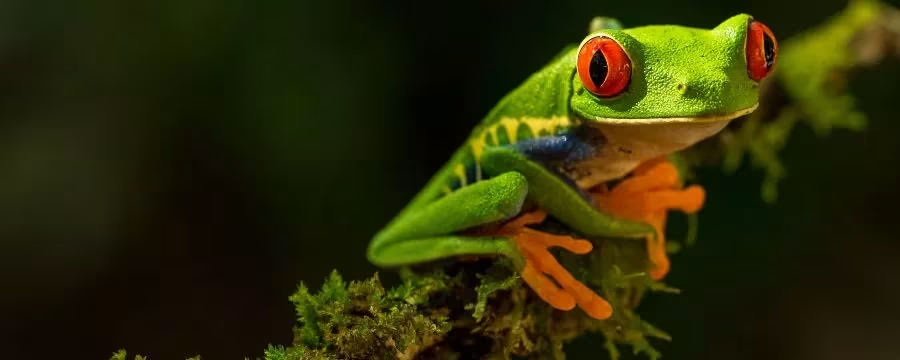
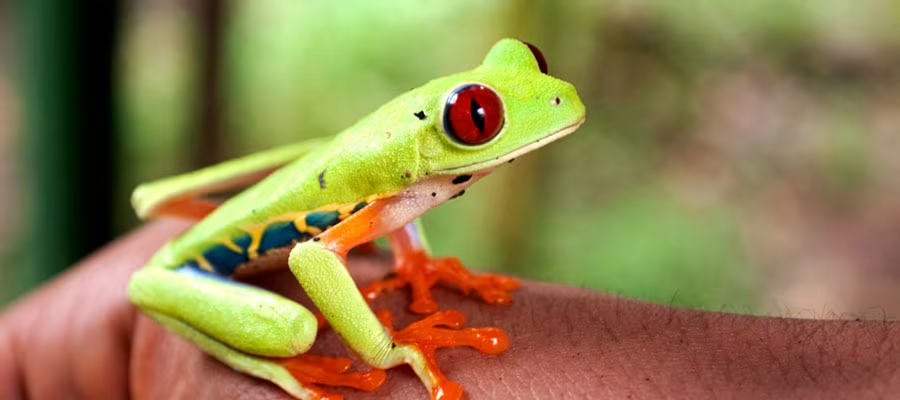
Red-eyed tree frog
If you’ve seen a tourism poster from Costa Rica, you’ve seen this guy. Bright green body, bulging red eyes, and electric-blue stripes down its sides.
Where to find it: Night walks in Manuel Antonio, Osa Peninsula, Monteverde.
When: Year-round, but easier to spot during the rainy season (May to November).
Cool fact: When sleeping, it tucks in its legs to hide the colors, camouflaging perfectly. Then it flashes those reds and blues to startle predators. Nature's own jump scare.
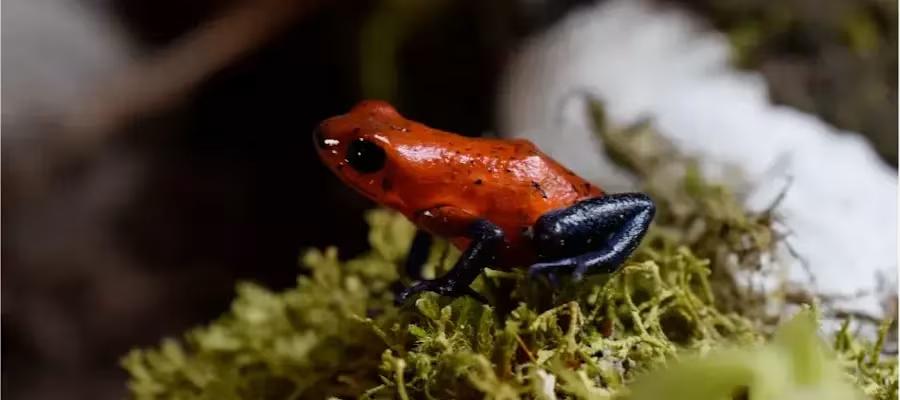
Strawberry poison dart frog (a.k.a. blue jeans frog)
Tiny, fearless, and punchy red, this frog looks like a Hot Wheels toy brought to life. Some wear “blue jeans” (bright blue legs), others have different morphs: orange, green, even ghostly white.
Where to find it: Caribbean lowlands like Tortuguero and Cahuita.
When: Daytime! Unlike most frogs, it’s diurnal.
Fun twist: Locals call it rana fresita. It may be small, but it packs mild toxins, don't touch.
Glass frogs
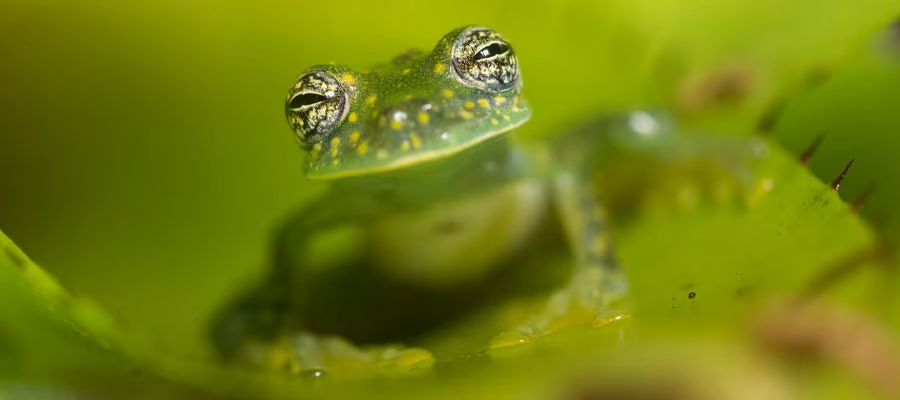
Tiny and translucent, with see-through bellies. You can literally see their internal organs. Yes, really.
Where to find it: Cloud forests like Monteverde, but also in Tenorio and Braulio Carrillo.
When: Late rainy season nights (August to October).
Good to know: They perch on leaves above streams. Bring a flashlight with red filter, they’re sensitive to light.

Rain frogs (Pristimantis spp.)
These are the “oh, another frog!” type you’ll spot hopping across trails or leaves after rain. Brown, gray, green… less flashy, more classic.
Where: Everywhere from La Fortuna to Corcovado.
Why it matters: They’re key to the ecosystem. Think of them as the unglamorous but essential extras in a movie.
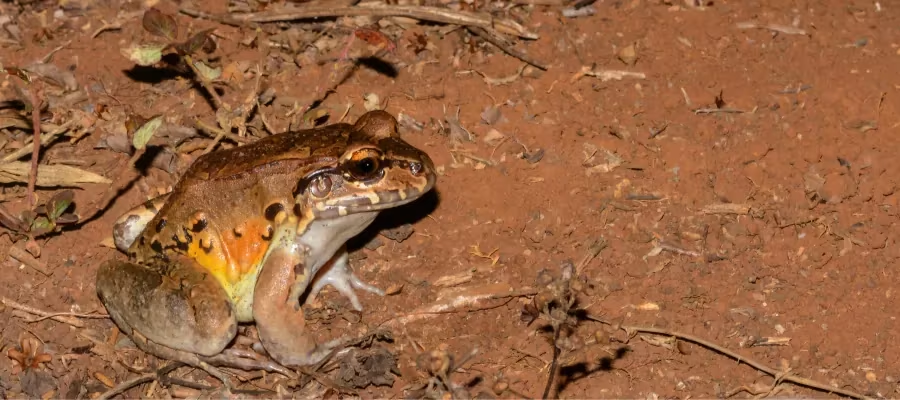

Tree frogs in general
Costa Rica has dozens of species of tree frogs beyond the red-eyed celebrity. Some sing like birds, others chirp or “bark.”
Pro tip: Learn to recognize the calls, it’s half the fun. Some lodges even give you cheat sheets.

Where and when to go frog watching in Costa Rica
Night is the right time
Let’s get one thing straight: if you want to see frogs, you’ll need to head out after dark. Most species are nocturnal. As the jungle quiets down from its daytime chaos, the frog chorus begins, chirps, trills, squeaks, and sometimes the weirdest noises you’ve ever heard.
Best time: Between 6:30 p.m. and 10 p.m. Bring a flashlight with a red filter (less disruptive), good walking shoes, and rain gear, even in the dry season.

Rainy season is frog season
Sure, it’s a bit muddier, but the frogs love it. From May to November, you’ll find more individuals, more activity, and better chances of seeing rare species like glass frogs or breeding behavior. Pro tip for families: Early evening walks are perfect. Less late-night exhaustion, more frog spotting.
Best regions for frog watching
Here are the go-to areas, from easy-access to jungle-deep:
Monteverde Cloud Forest: Tree frogs and glass frogs thrive here. Lots of guided night tours. One of the best spots for families.
Osa Peninsula (Corcovado): Hardcore biodiversity. You’ll hear frogs you can’t even see. Guided tours are a must here.
Tortuguero: The rainforest near the canals hides lots of diurnal frogs like the strawberry poison dart frog.
La Fortuna (Arenal area): Excellent for red-eyed tree frogs. Some lodges even have small ponds and trails designed for frog encounters.
Caribbean coast (Cahuita, Puerto Viejo): Great for colorful poison dart frogs and unique microclimates.
Sarapiquí: Quiet, less touristy, and full of biodiversity. A hidden gem for herping lovers.

Guided tours or DIY?
Guided night walks (around $20-$40 per person) are 100% worth it. The guides know where frogs perch, what calls mean what, and how to help you spot them without causing harm.
DIY can be fun, especially near eco-lodges with maintained trails. But you’ll likely miss 90% of what’s out there.

What to bring
Flashlight (with red filter ideally)
Closed shoes (mud is real)
Lightweight rain jacket
Patience
A quiet vibe, loud voices scare the small guys away
For kids: make it a scavenger hunt. First one to spot 5 frogs wins a coconut drink!
How to enjoy frog watching without disturbing them
Keep your distance: Frogs may look like chill little guys, but they’re sensitive to stress. Always stay at least a foot or two away. Don’t try to pick them up, even if they seem relaxed. Their skin absorbs everything, from your sunscreen to bacteria. Think of it like this: if someone touched your face with bug spray hands, you’d probably bounce away too.
Ditch the flash: Flash photography might get you a great Instagram shot, but it disorients frogs and can hurt their eyes. Use a red-filter flashlight instead, or a low-light setting. Many eco-guides are pros at getting good pics without harming the wildlife.
Keep the jungle quiet: It’s tempting to shout “I found one!” but silence helps. Frogs are listening for predators, mates, and rivals. Loud sounds throw them off. Whispering is part of the experience, and makes it feel way more magical.
Don’t follow, don’t poke: If a frog hops away, let it. Don’t block its path, poke it to move, or chase it for a better look. A rule of thumb: if it changes its behavior because of you, you’re too close.
Why frogs matter (and how to help protect them)
Costa Rica is home to over 200 frog species, and many are endemic, found nowhere else on Earth. They help control insect populations, serve as food for other animals, and act as environmental indicators. When frogs disappear, something’s off in the ecosystem.
But habitat loss, pesticides, and climate change are threats. So what can travelers do?
Stay at eco-lodges that support local conservation
Share your sightings with platforms like iNaturalist
Avoid buying anything that promotes handling or capturing frogs
Support local guides and night walk programs that protect native species
Where to learn more about frogs in Costa Rica
If you (or your kids) want to go beyond spotting them in the wild, here are a few cool places to check out:
Frog Pond Monteverde: A small but well-curated exhibit of Costa Rican frogs. Great guides, educational without being stuffy.
La Paz Waterfall Gardens (near San José): You’ll find poison dart frogs and red-eyed tree frogs in naturalistic enclosures.
Costa Rica Amphibian Research Center (Guayacán): Not always open to the public, but if you get the chance, this is frog geek heaven.
And if you’re really into it, check out night photography workshops in La Fortuna or Osa. Some are led by biologists who’ll make you fall in love with even the tiniest, most translucent frogs you never knew existed.
FAQ about frogs in Costa Rica
Are the colorful frogs poisonous? Some of them, yes, but only if you eat them (don’t). The famous poison dart frogs have toxins in their skin as a natural defense. They're not dangerous to look at, as long as you don’t touch or disturb them.
When is the best time to see frogs in Costa Rica? The rainy season (May to November) is peak frog time. Night walks during or just after a tropical rainstorm are your best bet: frogs love the moisture and sing like a full jungle orchestra.
Do you need a guide to see frogs? Technically no, but it makes a huge difference. Guides know exactly where to look and what to listen for. They’ll spot frogs hidden in plain sight that you’d walk right past. Plus, they help keep the experience ethical and low-impact.
Where are the best places to see frogs? Monteverde, Tortuguero, and the Osa Peninsula are among the top picks. But even in your lodge garden or roadside ditch, you might stumble on a red-eyed tree frog or a glass frog if you’re lucky and patient.
Final thoughts: a tiny leap into a wild world
You don’t need to go on an intense jungle expedition to witness Costa Rica’s frogs. Sometimes, the most amazing moment is a quiet pause in the dark, hearing the rhythmic chirps and croaks echoing through the rainforest. These creatures are tiny, but their presence says a lot about the country’s health, beauty, and biodiversity.
And there’s something deeply satisfying about spotting your first frog. Maybe it’s the thrill of the hunt. Maybe it’s the bright pop of neon green in a sea of leaves. Maybe it’s just the joy of seeing something so small, so perfect, and so alive.
Either way, once you notice them, you’ll start seeing frogs everywhere. Trust me.
Getting around: rent a car and chase the croaks
If you really want to explore the best frog-spotting regions (Monteverde, Sarapiquí, Osa Peninsula, La Fortuna) you’ll need the freedom to roam. Buses don’t always get you to the trailheads, and frogs don't wait for taxis. Rent a car and chase the chorus across Costa Rica, from cloud forests to wetlands.
Pick up your vehicle right at the airport or in town
Choose an SUV or 4WD if you’re heading into remote jungle zones
Book early during the rainy season, it’s frog season and high travel time