
Where to See Toucans in Costa Rica (And Why They’re So Popular)
Toucans aren’t just colorful birds in cartoons: they’re real, they’re loud, and in Costa Rica, they might just photobomb your breakfast. The rainbow-billed toucan, also known as the Keel-billed Toucan, is particularly iconic for its vibrant and colorful bill. These birds are iconic for a reason. With their oversized bills, rainbow feathers, and wild calls, spotting one in the wild feels like catching a glimpse of a tropical secret.
This guide gives you the full rundown on where to see toucans in Costa Rica, the types you might encounter, and some pro tips to make the most of your birdwatching adventure.
For more convenience, consider renting a car before heading out to spot toucans!
Introduction to Toucans
Toucans are one of the most iconic and recognizable bird species in the world, known for their oversized, colorful beaks and vibrant plumage. With over 40 different species, toucans can be found in the tropical forests of Central and South America, including Costa Rica. In Costa Rica, you can find various toucan species, including the keel-billed toucan, yellow-throated toucan, and collared aracari. These birds are not only a delight to see, but they also play a crucial role in maintaining the health of their ecosystems. Toucans are a key part of the forest regeneration process, helping to disperse seeds and propagate new plant growth. Whether you’re a seasoned birdwatcher or just starting to explore the world of tropical birds, toucans are sure to captivate and inspire.

A Keel-billed Toucan
Why Toucans Are So Special (and Where They Live)
Costa Rica is home to six species of toucans, all thriving in different regions thanks to the country’s biodiversity and protected rainforests. You’ll mostly find them in lowland and mid-elevation tropical forests, but they can surprise you just about anywhere with trees and fruit in their natural environment.
They’re most active during early morning or late afternoon and often travel in small, noisy groups. I remember sipping coffee in a cabin near La Fortuna and nearly dropping my mug when three keel-billed toucans swooped into a nearby tree. It felt like winning the lottery, but feathered.
Observing toucans in their natural habitat can significantly enhance your birdwatching experience, offering a unique glimpse into their vibrant lives.

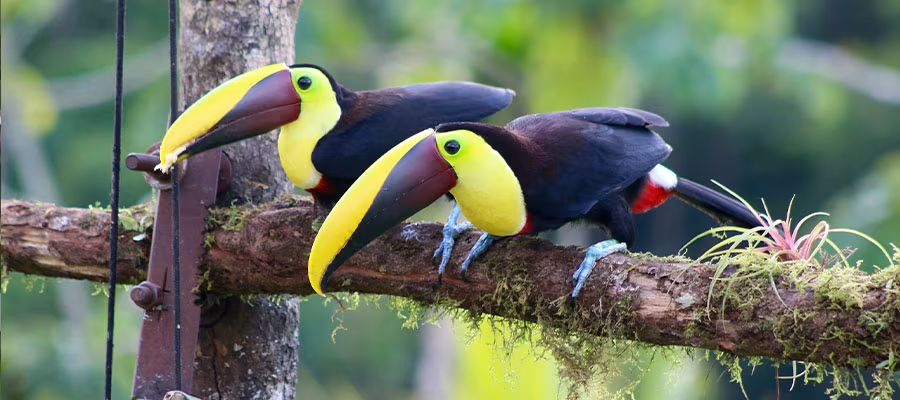
A chestnut-mandibled Toucan
Types of Toucans You Might See
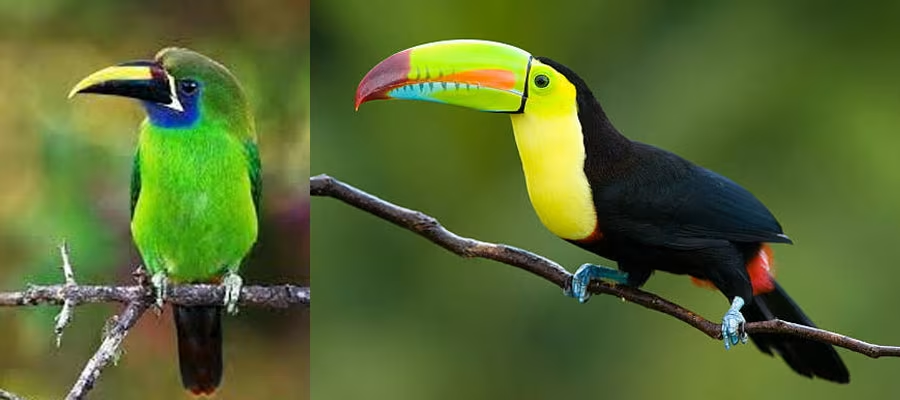
Emerald Toucanet (picture 1): Small, green, and looks like it hopped out of a watercolor painting.
Keel-billed Toucan (picture 2 - aka Rainbow-billed): Bright and unmistakable. One of the most photographed birds in Costa Rica.
Chestnut-mandibled Toucan: Bigger and louder. Found mostly on the Caribbean side.
Collared Aracari : Smaller, with a distinct yellow belly and dark bill.
Fiery-billed Aracari (picture 3): Pacific coast native with a striking orange beak.
Yellow-eared Toucanet (picture 4): Yellow eared toucanets are the most elusive toucan species in Costa Rica. Males and females have distinctive features, and they can be observed in specific locations such as Corcovado National Park.
Blue-throated Toucanet: The blue throated toucanet is known for its unique coloration and small size. It inhabits specific cloud forest regions in Costa Rica, making it a favorite among nature enthusiasts and photographers.

Best Places to See Toucans in Costa Rica
1. Tortuguero National Park
Located in the Caribbean Lowlands on the Caribbean coast, Tortuguero National Park is lush, remote, and a toucan haven. Boat tours are the way to go here, and you’ll often see chestnut-mandibled toucans perched above the canals.
Best time: Early morning boat rides. Trust me, the mist and bird calls make it magical.

2. Sarapiquí Region
Incredible for birders. Visit La Selva Biological Station for a guaranteed chance to spot collared aracaris and other toucan species.
The Sarapiquí Region is rich in fruit-bearing trees, which attract various toucan species by providing a primary food source, making it an ideal spot for wildlife observation and photography.
Pro tip: Book a guided tour. These folks can spot a toucan through dense foliage like it’s no big deal.
3. Monteverde Cloud Forest
Yes, you can see toucans at Monteverde too! Though rarer than in the lowlands, emerald toucanets occasionally make appearances in the primary forest.
Great for: Couples looking for a romantic cloud forest getaway that’s also bird-nerd friendly.
4. Carara National Park
Close to San José and the Central Pacific coast, Carara National Park area is a transition zone between dry and wet forest, making it a hotspot for bird diversity, toucans included.
Tip: If you’re headed to Jaco Beach, stop here for a quick toucan detour.
5. Osa Peninsula
Wild, rich in biodiversity, and home to multiple toucan species. It’s a trek to get there, but absolutely worth it.
Corcovado National Park, located on the Osa Peninsula, is a biodiversity hotspot in Costa Rica, known for its exceptional opportunities to spot toucans in their natural habitat.
Fun fact: National Geographic called this one of the most biologically intense places on Earth. Even the monkeys agree.
Toucan Behavior
Toucans are social birds that thrive in small groups, often consisting of family members or other toucans of the same species. They are known for their playful and curious nature, frequently interacting with each other and their surroundings. In the wild, toucans can be seen flying through the forest canopy, their large beaks leading the way as they forage for fruit, insects, and other small vertebrates. Some species of toucans, such as the keel-billed toucan, are also known to visit fruit feeders, providing a unique opportunity for birdwatchers to see these birds up close. Toucans are also skilled nesters, using their powerful beaks to excavate tree cavities and create cozy nesting sites. With their bright colors and distinctive calls, toucans are a joy to observe and study.
Diet and Foraging
Toucans are primarily frugivorous, feeding on a wide variety of fruits, including berries, figs, and palm fruits. They also eat insects, small vertebrates, and even the eggs and nestlings of other birds. In addition to their diet, toucans play a crucial role in seed dispersal, helping to propagate new plant growth throughout the forest. With their large, powerful beaks, toucans are able to eat fruits that other birds cannot, allowing them to access a unique range of food sources. In Costa Rica, toucans can be found foraging for fruit in the forest canopy, particularly in areas with an abundance of fruiting trees. By eating fruits and then depositing the seeds in new locations, toucans help to maintain the diversity and health of their ecosystems.
Conservation Efforts
Unfortunately, many toucan species are facing threats to their populations, including habitat loss, fragmentation, and poaching. As a result, conservation efforts are underway to protect these iconic birds and their habitats. In Costa Rica, national parks and wildlife refuges provide a safe haven for toucans and other tropical birds, protecting their habitats and preventing hunting and poaching. Additionally, eco-lodges and sustainable tourism initiatives are helping to support conservation efforts, providing economic benefits for local communities and promoting the importance of protecting these incredible birds. By supporting conservation efforts and responsible tourism practices, we can help to ensure the long-term survival of toucans and other tropical bird species.
Quick Tips for Toucan Spotting
Go early: Birds are most active just after sunrise.
Stay quiet: Loud noises will scare them off.
Look up: They love the canopy.
Bring binoculars: And maybe a camera with a zoom lens.
Join a tour: Local guides know the calls, behaviors, and favorite hangouts.
Visit popular spots: Toucans are frequently spotted in protected reserves and popular wildlife destinations like Arenal Volcano National Park. They can be observed year-round, especially during the green and dry seasons.
Bonus tip: Pack a small notebook. Not just for bird names, but to jot down those little travel moments you’ll forget by the time you get back home.
Toucan Watching With Family or Friends
With kids: Toucans are colorful, noisy, and easy to love, a great intro to bird watching and wildlife watching. My niece still talks about the toucan she saw in Sarapiquí like it was a Disney character.
As a couple: Sunrise birdwatching with coffee and toucans? Surprisingly romantic. It’s quiet, intimate, and honestly beats any brunch back home.
With friends: Spotting a toucan becomes a bit of a game. Who sees it first? Who gets the best shot? Loser buys the next round of Imperial beers.
Plan Your Trip
Want to spot toucans without being tied to a strict tour schedule? Rent a car with Jumbo Car Costa Rica and build your own toucan trail. The rainforest is calling. And yes, it squawks.
To maximize your chances of seeing toucans, focus on areas that provide their ideal habitat. These environments, rich in fruit-bearing trees, support thriving toucan populations by offering perfect conditions for foraging, nesting, and playing a crucial role in forest regeneration.
FAQ: Toucan Spotting in Costa Rica
Are toucans easy to see in the wild? It depends on the region and season. Early mornings in lush areas (like Sarapiquí or Tortuguero) increase your chances. There are various species of toucans found in these regions, making it a prime spot for birdwatchers and photographers.
Do I need to go on a birding tour? Not always, but a guide will boost your odds, especially if you’re a first-timer.
Are toucans dangerous? Not at all. They’re fruit lovers. The only thing they’ll attack is your sense of boredom.
When’s the best season to see them? Year-round, but dry season (December to April) is easier for hiking and photography.
Final Thoughts
Seeing a toucan in the wild isn’t just a photo op. It’s a reminder of how lush, wild, and wonderfully weird Costa Rica really is, especially when you consider the vibrant features and ecological importance of the toucans of Costa Rica. So grab your gear, get up early, and look to the trees.
And if one lands near you while you’re sipping coffee? Just smile and enjoy the moment, it’s a Costa Rica kind of magic.
Ready to Hit the Road?
Want to explore Costa Rica at your own pace? Rent a car with Jumbo Car and chase toucans across the country... freedom, nature, and adventure await!
Costa Rica's Toucans are some of the most stunning natural attractions in Central America.
