
Best horseback riding tours in Costa Rica
Costa Rica offers some of the best horseback riding experiences in Central America, from the cloud forests of Monteverde to the remote wilderness of the Osa Peninsula and the volcanic landscapes surrounding Arenal.
In this guide, you'll discover six outstanding horseback riding destinations, what makes each one unique, who they're best suited for, and practical tips for planning your ride.
Whether you're a complete beginner or an experienced rider, horseback riding is one of the most authentic ways to experience Costa Rica's landscapes, wildlife, and rural culture.
Why go horseback riding in Costa Rica?
Horseback riding is deeply rooted in Costa Rican culture. Long before adventure tourism arrived, local ranchers known as sabaneros used horses to travel across mountains, forests, and cattle ranches.
Today, riding trails allow visitors to reach places that vehicles often cannot access, while enjoying a slower pace and a closer connection with nature.
Some moments stay with you. Watching mist roll over a volcano from horseback is one of them.
Why is Turrialba one of Costa Rica's best horseback riding destinations?
Located about two hours east of San José, Turrialba remains one of Costa Rica's most underrated regions.
Trails wind through volcanic farmland, tropical forest, coffee plantations, and rivers, all under the watch of the imposing Turrialba Volcano. The scenery feels wild, authentic, and refreshingly uncrowded.
Most rides last between 2 and 4 hours, although full-day excursions with local meals are also available. Because some sections include steep climbs and descents, this area is best suited for intermediate and experienced riders.

Why should nature lovers choose the Osa Peninsula?
The Osa Peninsula is home to Corcovado National Park, one of the most biodiverse places on Earth.
Horseback riding here is less about comfort and more about adventure. Trails cross primary rainforest, remote beaches, rivers, and untouched wilderness where wildlife roams freely.
Spider monkeys, scarlet macaws, tapirs, and countless tropical birds are commonly seen. Occasionally, visitors even spot rarer species.
Multi-day horseback expeditions with overnight stays in eco-lodges are available for travelers seeking a true backcountry experience.


Why is Monteverde perfect for beginners?
Few places in Costa Rica feel as magical as Monteverde.
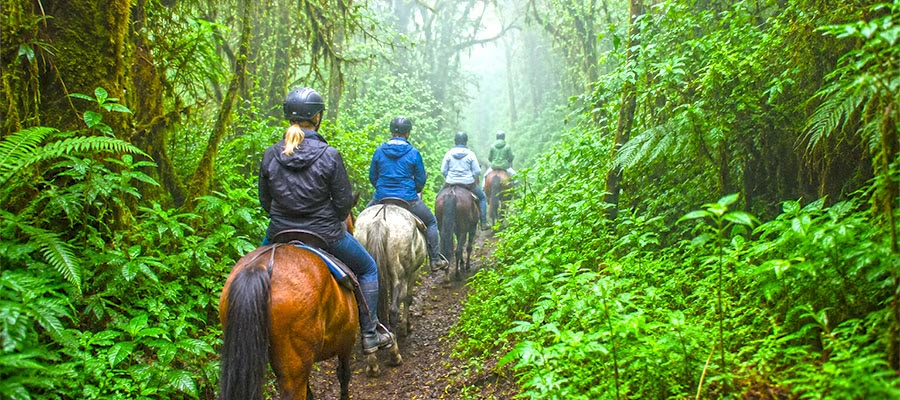
The famous cloud forest creates a landscape of moss-covered trees, orchids, giant ferns, and drifting fog. Riding through this environment feels almost cinematic.
Most tours last between 2 and 3 hours and are suitable for riders of all experience levels. Local guides often share fascinating insights about the area's wildlife and ecosystem along the way.
This is one of the easiest and most photogenic horseback rides in the country.
Why is Guanacaste the heart of Costa Rica's cowboy culture?
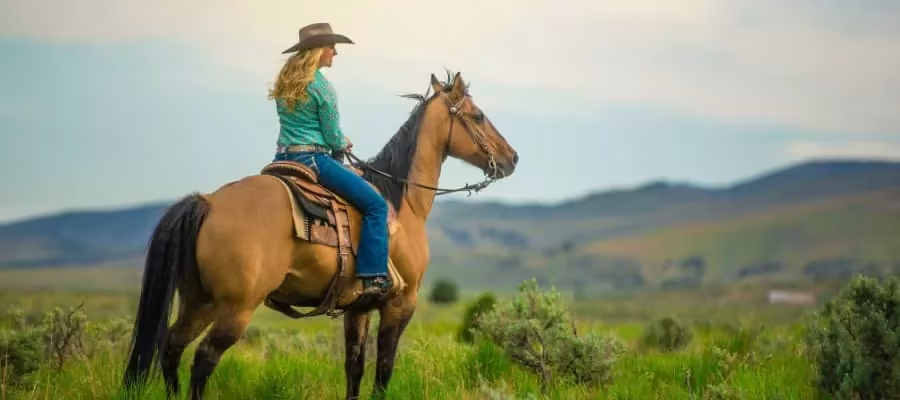
The northwestern province of Guanacaste is the birthplace of Costa Rica's ranching tradition.
Instead of dense rainforest, you'll find open savannas, rolling hills, cattle ranches, and vast landscapes that feel closer to the American West than to the tropical Costa Rica many visitors expect.
Many ranches offer rides on hardy Criollo horses, descendants of animals introduced centuries ago by Spanish settlers.
Tour lengths range from 2-hour outings to full-day ranch experiences. The terrain is generally gentle, making Guanacaste an excellent choice for families and first-time riders.

Why is Playa Sámara ideal for beach horseback riding?
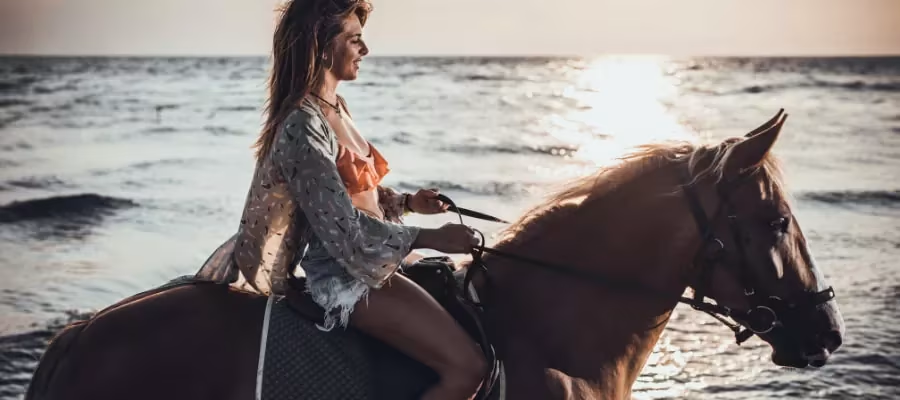
Near Playa Sámara, horseback riding combines tropical forest, wildlife viewing, and hidden beaches.
One of the most popular routes leads to Barrigona Beach, a secluded stretch of white sand that can only be reached on foot or horseback. Along the way, riders cross rivers, pass through dry tropical forest, and often encounter howler monkeys and iguanas.
Most tours last between 1 and 3 hours, although longer half-day excursions with lunch are also available.
Families with children particularly appreciate the calm horses and beginner-friendly pace.

Why is Arenal the most iconic horseback ride in Costa Rica?
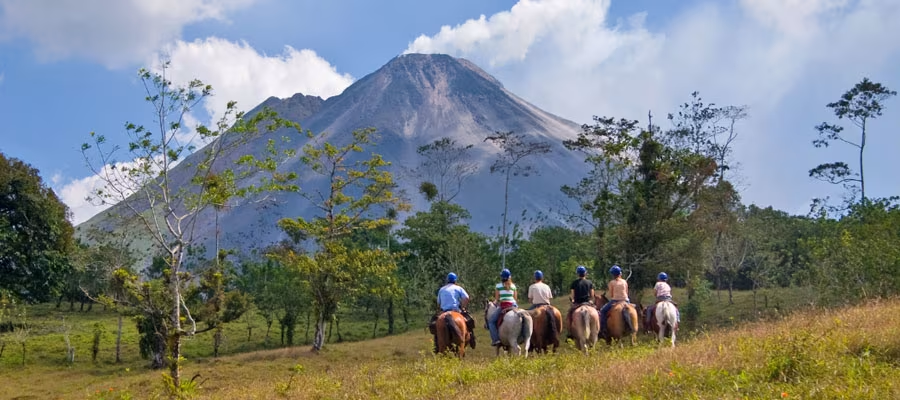
If you're looking for classic Costa Rica scenery, it's hard to beat the area surrounding Arenal Volcano.
Horseback trails pass through tropical forest, open meadows, and panoramic viewpoints with spectacular views of the volcano. The landscape is postcard-worthy from start to finish.
Most rides last between 3 and 4 hours and are accessible to all levels.
The best part? Many travelers finish the day soaking in one of the region's natural hot springs. Volcano, rainforest, horseback riding, and thermal waters all in a single day, that's hard to top.
When is the best time to go horseback riding in Costa Rica?
The dry season, from December through April, offers the most reliable riding conditions.
Trails are generally drier, river crossings are easier, and visibility is often better.
The rainy season can still be rewarding, especially for lush scenery, but muddy trails may make certain routes more challenging.
What riding experience is required?
Most horseback tours welcome beginners and provide calm, well-trained horses.
However, rides in Turrialba and the Osa Peninsula often involve more demanding terrain and are better suited for riders with previous experience.
Always be honest about your riding ability when booking.
What should you bring?
A few essentials will make your ride much more comfortable:
Closed-toe shoes or riding boots
Long pants
Sunscreen
Insect repellent
Reusable water bottle
Lightweight rain jacket during the green season
Tropical sun can be surprisingly intense, even under forest cover.
How much do horseback riding tours cost?
Prices vary by location and duration.
Short rides (1 to 2 hours): typically $35 to $70 per person
Half-day tours: usually $60 to $120
Full-day experiences: often $100 to $200+
Multi-day expeditions: pricing varies considerably depending on accommodations
Tours that include meals, transportation, or private guides generally cost more.
How do you get to these horseback riding destinations?
Costa Rica's top riding regions are spread across the country, from Guanacaste in the northwest to the Osa Peninsula in the south.
While public transportation exists, many ranches, lodges, and trailheads are located far from major bus routes. Having your own vehicle offers significantly more flexibility and saves valuable vacation time.
A rental SUV or 4x4 is often the most practical option, particularly during the rainy season or when visiting remote regions such as Osa, Turrialba, or Monteverde.
Frequently asked questions
Is horseback riding in Costa Rica safe? Yes. Reputable operators provide trained horses, safety briefings, and helmets. Following your guide's instructions is the best way to ensure a safe experience.
Can children participate? Most tours welcome children, especially in Guanacaste and Sámara. Minimum age requirements vary by operator.
Do I need riding experience? No. Many tours are specifically designed for beginners.
Which horseback ride offers the best wildlife viewing? The Osa Peninsula is widely considered the best destination for spotting wildlife while riding.
Which horseback ride offers the best volcano views? The Arenal region consistently delivers the most spectacular volcano scenery.