
Where to See Sloths in Costa Rica (And Why You'll Fall in Love with Them)
Costa Rica isn’t just a tropical paradise, it’s a sloth sanctuary. Whether you’re a first-time visitor or a seasoned traveler, seeing sloths in their natural habitats, such as Tortuguero National Park, is one of those unforgettable experiences that defines a trip. Here’s your ultimate guide to finding these slow-moving wonders.
Why Costa Rica is the Ultimate Sloth Destination
Sloths in Costa Rica are a major attraction for wildlife enthusiasts. With over 600 species per 10,000 square kilometers, it’s the most biodiverse country on Earth. The sloth, though often mistaken for a lazy tree-hugger, plays a vital role in the ecosystem. There are two main species to spot: the three-toed and two-toed sloths. Both are equally adorable, equally elusive, and equally worth the hunt.
Types of Sloths
Costa Rica is home to two main types of sloths: the three-toed sloths and the two-toed sloths.
The Brown-throated sloth (right), a type of three-toed sloth, is easily recognizable by its round head and three toes on each foot. These sloths have a slow metabolism and spend most of their time hanging from tree branches.
The Hoffmann’s two-toed (left) sloth has an elongated head and two toes on each foot, with a slightly faster metabolism compared to their three-toed cousins. Both species thrive in the tropical rainforests of Costa Rica, feeding on a diet of leaves, fruits, and flowers.
To learn more about these unique creatures, visitors can visit a sloth sanctuary or a wildlife rescue center, where they can observe sloths up close and gain insights into their characteristics and behaviors.

Best Places to Spot Sloths
1. Manuel Antonio National Park
Just 114 km south of San José airport, this park is a sloth hotspot. Dense jungle trails and coastal views make it a favorite for wildlife enthusiasts. Early morning hikes increase your chances of spotting these slow movers.
Manuel Antonio National Park also serves as a wildlife refuge, providing a safe habitat for sloths and other animals.

2. Corcovado National Park
Located on the Osa Peninsula, Corcovado is a remote gem. Accessible mainly by boat, it’s a haven for sloths and other wildlife. The park’s isolation means fewer tourists and more authentic encounters. Visitors can observe sloths and other fascinating creatures in their natural habitat.

3. Tortuguero National Park
Often dubbed the “Amazon of Costa Rica,” Tortuguero offers boat tours through its extensive canal system. Early morning rides are best for sloth sightings, as the animals are more active during cooler hours. Occasionally, sloths can be seen on the forest floor, particularly when they come down to defecate.
4. Toucan Rescue Ranch
Situated near San José, this sanctuary rehabilitates orphaned and injured sloths. Visitors can learn about sloth conservation and witness the rehabilitation process firsthand. Additionally, visitors can witness sloth feedings at the Toucan Rescue Ranch, providing an up-close look at their dietary habits. It’s an educational stop that also supports local conservation efforts.
When to Visit for the Best Sloth Sightings
Costa Rica’s dry season, from December to April, is ideal for travel. While sloths are visible year-round, the dry season offers clearer skies and easier hiking conditions. Morning hours, especially around dawn, are when sloths are most active and easier to spot. Visitors can expect to see more sloth activity during these times, with sloths being less active during the hotter midday hours and more visible during the cooler early mornings and late afternoons.
Ethical Sloth Tours and Experiences
Supporting ethical tourism is crucial. Look for tours that prioritize animal welfare and conservation. Certified guides should respect wildlife and minimize human impact. The Sloth Sanctuary near Limón is a prime example, focusing on education and rehabilitation rather than exploitation.
Conservation Efforts
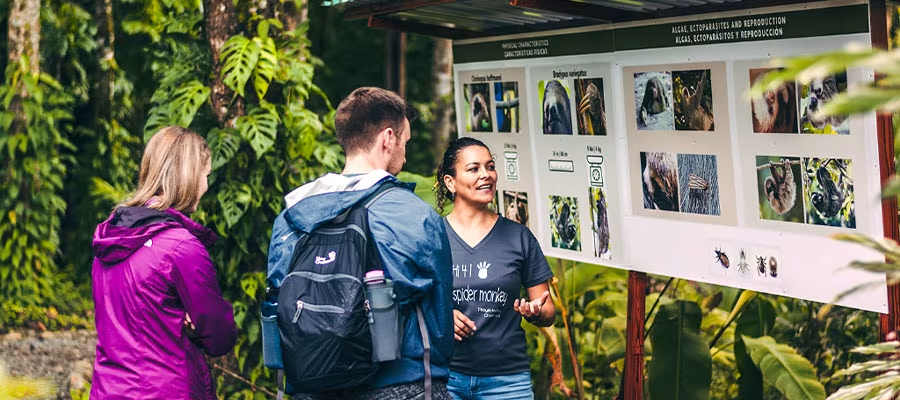
Conservation efforts are crucial for protecting the sloth population in Costa Rica. The country has established numerous national parks and wildlife refuges to provide safe habitats for sloths and other wildlife. Organizations like the Sloth Institute and Proyecto Asis are at the forefront of these efforts, working tirelessly to protect sloth habitats, rescue injured sloths, and educate the public about the importance of conservation. Visitors can support these initiatives by visiting wildlife sanctuaries or taking guided tours with responsible operators. It’s also important to maintain a safe distance from sloths, avoid touching or holding them, and refrain from supporting the illegal pet trade. Conservation organizations, including the World Wildlife Fund, are also actively working to protect sloth habitats and mitigate the impact of human activities on their populations. By supporting these efforts, visitors can contribute to the preservation of these incredible animals and their natural environments.
Safety Precautions
When observing sloths in the wild, it’s essential to follow safety precautions to ensure the well-being of both the animals and the visitors:
Always keep a safe distance of at least 10-15 feet from sloths to avoid causing them stress.
Never touch or hold sloths, as this can harm them and disrupt their natural behavior.
Feeding sloths or attempting to approach them can be dangerous for both humans and the animals.
If you’re on a guided tour, adhere to the guide’s instructions and stay on designated trails to prevent habitat damage.
Additionally, be mindful of other wildlife, such as monkeys and other animals, to ensure a safe and enjoyable experience.
By following these safety guidelines, visitors can help protect the sloth population and enjoy a responsible and memorable wildlife encounter.

Practical Tips for Sloth Watching
Gear Up: Bring binoculars, a camera with a zoom lens, and lightweight rain gear.
Stay Quiet: Sloths are sensitive to noise; approach silently and maintain a respectful distance.
Dress Appropriately: Long sleeves and pants protect against insects and brush.
Stay Hydrated: Tropical climates can be hot and humid; carry water and stay cool.
Look Up: Sloths spend most of their time high in the canopy of trees. Use your binoculars to spot them feeding on leaves or even giving birth.
Where to Stay Near Sloth Habitats
Manuel Antonio: Budget to mid-range hotels like Hotel San Bada offer proximity to the park.
Corcovado: Eco-lodges such as Lapa Rios Lodge provide immersive rainforest experiences.
Tortuguero: Boat-access-only lodges like Mawamba Lodge offer unique stays in the heart of the jungle. Some hotels and lodges also offer the chance to see wild sloths on their properties, enhancing the wildlife experience.
My Sloth Encounter
During a morning hike in Manuel Antonio, I spotted a three-toed sloth hanging lazily from a branch. Its slow movements and serene expression were mesmerizing. The guide explained its diet of cecropia leaves and how it spends most of its life in the canopy. Sometimes, baby sloths can be seen clinging to their mothers, adding to the magical experience of sloth watching. That moment encapsulated the magic of Costa Rica’s wildlife.
Frequently Asked Questions
Can I see sloths in the wild without a guide? While it’s possible, a guide increases your chances and ensures ethical practices.
Are sloth sightings guaranteed? No, sloths are elusive. Patience and early morning hikes improve your odds.
What’s the best time of day to spot sloths? Early morning, around dawn, is optimal for sloth activity.
What are the benefits of taking a sloth tour? A sloth tour offers the expertise of guides who know the best spots and times to find sloths in their natural habitat. These tours also emphasize ethical considerations, ensuring that the sloths are not disturbed and their environment is respected.
Costa Rica’s sloths are more than just cute animals: they’re a testament to the country’s commitment to conservation and biodiversity. Whether you’re trekking through dense jungles or supporting rehabilitation efforts, your encounter with a sloth will be a highlight of your Costa Rican adventure.
To truly explore Costa Rica’s lush rainforests, hidden sloth-watching spots, and remote eco-lodges, you’ll need the freedom of your own wheels. I rented with Jumbo Car and it made all the difference, easy pick-up, great prices, and the flexibility to stop wherever the road (or a curious sloth) took me. If you're serious about adventure, don’t rely on buses or tours. Rent a car, take the scenic route, and experience Costa Rica on your terms.