
Top Things to Do in Ojochal, Costa Rica’s Culinary Coast
What to do in ojochal, costa rica: waterfalls, sea caves and slow travel moments
If you’re wondering what to do in Ojochal, Costa Rica, you’re probably looking for more than just a checklist of attractions. You're after something slower, greener, and slightly off the map, a place where you can hike to a jungle waterfall in the morning, kayak a mangrove river in the afternoon, and finish the day with a sunset dinner that’s somehow both local and gourmet.
This guide is here to walk you through all of that. Based on real experiences and three separate visits, I’ve pulled together the best things to do in and around Ojochal, from hidden beaches and sea caves to wildlife tours, zipline adventures, local cuisine, day trips to Finca 6, and yes, that famous waterfall with the rock wedged in the middle. You'll also get practical tips on how to get around, how much things cost, when to come, and how to organize your trip if you only have a few days.
So let’s dive in. This little village in the South Pacific of Costa Rica deserves way more attention than it gets, and if you like your travel with a side of toucans and a dash of authenticity, you’re going to love it here.
Renting a 4x4 or SUV in San José gives you the freedom to discover the best of Costa Rica’s southern Pacific coast, at your own pace, no matter the road conditions.
Ojochal in a nutshell (where the jungle meets the plate)
Ojochal is about 3.5 to 4 hours south of San José, depending on traffic, weather, and how often you stop to take pictures of waterfalls on the way. It's just south of Uvita and Marino Ballena National Park, but it has a totally different energy, quieter, slower, and more intimate.
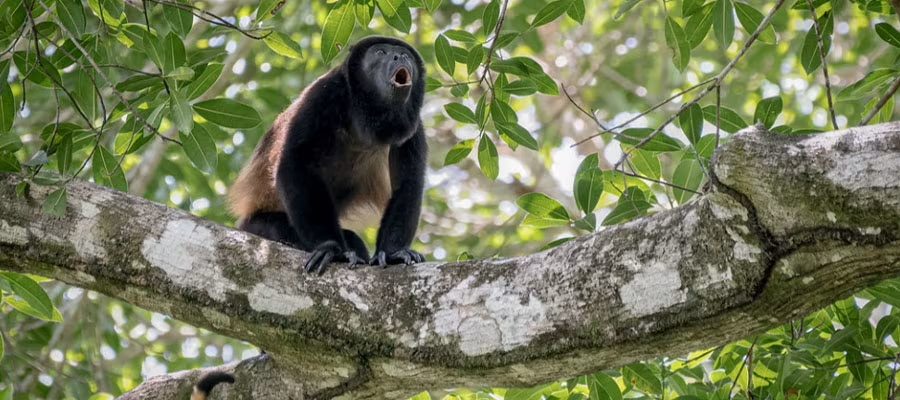
The roads are gravel, the cell signal is shaky at best, and the vibe is part jungle, part expat, part pura vida. There’s a noticeable French and Canadian presence here; many of the restaurants are run by Europeans who fell in love with the region and never left.
You won’t find nightclubs or fast-food chains. Instead, you’ll find wild beaches, dense rainforest, monkeys in the trees, and some of the best food in Costa Rica, all wrapped into a little village that still feels like it’s hiding in plain sight.
The first time I arrived in Ojochal, I drove past my rental three times because the “driveway” looked like a trail into the forest. It wasn’t. Five minutes later, I was sitting on a terrace with a cold beer, watching a toucan hop from tree to tree like it was trying to win an invisible game of jungle parkour.

Start with the beaches (and don’t skip the sea caves)
Playa Tortuga
Closest to the village, Playa Tortuga is a long, wild beach that backs right up to the rainforest. It’s not ideal for swimming, due to currents, but it’s perfect for walking, shell hunting, and listening to the sound of the waves with literally no one else around.
There’s a turtle conservation project here (July to December is nesting season), and if you time it right, you might join a small group watching hatchlings make their way to the sea. It’s not staged, not touristy, just quietly incredible.
Tip : access is free, but the road gets muddy in rainy season. A 4x4 isn’t mandatory, but it helps. Don’t wear white shoes, learned that the hard way.

Playa Ventanas
Now this one is pure magic, a beautiful beach. Playa Ventanas gets its name from the two sea caves carved into the cliffs. At low tide, you can walk through them and watch the waves come barreling in with this deep, echoing roar that sounds like nature trying to beatbox.
The beach itself is family-friendly, with some shade, decent parking (₡2000 colones), and vendors selling coconut water and grilled pinchos on weekends. But it still feels raw and local. No jet skis, no umbrellas, just you, the ocean, and the occasional dog.


Playa Piñuelas
Just a few minutes south, this beach is often overlooked, which is great news if you like having palm-shaded sand all to yourself. It’s inside the Marino Ballena park, so you’ll pay a small entry fee (₡1700 colones), but the beach is quiet, clean, and perfect for a post-lunch nap. There are fishing boats on one end, jungle behind, and nothing else to distract you.
It’s the kind of beach where you finally read that book you packed three trips ago and never opened.

Chase waterfalls (and maybe a toucan or two)
Cascada el Pavón
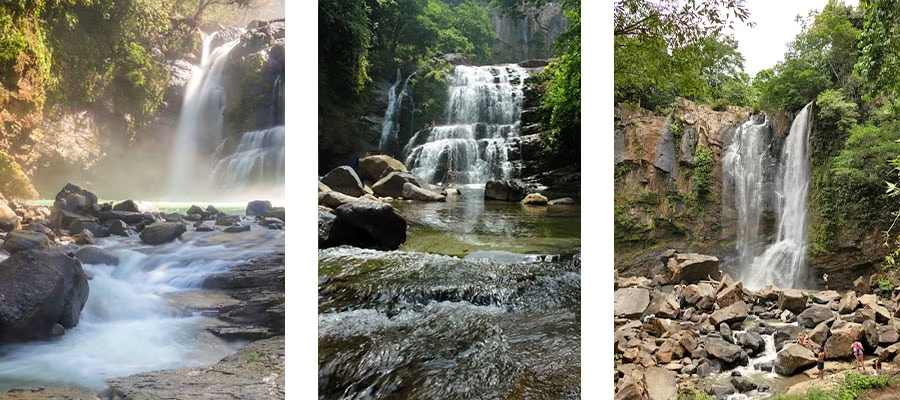
This is Ojochal’s star waterfall, and it’s exactly what you want it to be: wild but accessible, cool but not overhyped. Located about 15 minutes inland, just off the main road to Tres Ríos, the trail is short (barely a five-minute walk) but the reward is a stunner.
The water crashes down from a narrow opening in the rocks into a shallow turquoise pool, and there's a giant boulder wedged in the middle that makes it look like Mother Nature got creative with landscaping.
Tip : parking is free, but the path can be slippery, especially after rain. Wear decent shoes or expect to slide your way down like a cartoon banana peel moment.

Nauyaca Waterfalls (bonus day trip, 50 min from Ojochal)
If you're up for a little more driving and a lot more wow, Nauyaca near Dominical is a top contender. It’s about 45 minutes north, and the hike is longer (6 km round trip if you go on foot, or shorter by 4x4 or horseback). But the falls are massive, two tiers, tons of water, and deep pools for swimming. Entry is around ₡4000-₡8000 depending on how you go.
Kayak the mangroves (and hear the jungle breathe)
The Terraba-Sierpe mangrove system, just south of Ojochal, is one of the largest in Central America. It’s quiet, vast, and full of life. Kayaking through the shaded waterways at high tide is the kind of slow travel that sticks with you. You’ll likely spot herons, monkeys, kingfishers, and if you're lucky, a sleepy crocodile sunbathing like it's on vacation too.
Tours cost around $55-$70 USD, often include transportation from your lodging and light refreshments. Morning or sunset paddles are the best, less wind, more wildlife.

pro tip : wear something light that dries fast. And bring waterproof sunscreen, even with the tree cover, the reflection off the water can toast you.
Soar through the canopy (with or without screaming)
If you’re craving a bit of adrenaline, the Osa Canopy Tour just 20 minutes south is the place to be. It’s not the biggest zipline in Costa Rica, but it’s well-run, surrounded by lush forest, and delivers exactly what it promises: swooshing through the treetops like a slightly terrified bird of prey.
There are about nine cables and two hanging bridges, with guides who are both reassuring and hilariously sarcastic, a perfect combo when you’re dangling 200 feet above the ground.
Price is usually around $75 USD, including gear, transport from the highway, and snacks after.
On my first run, I screamed like a theme park rookie. By the last one, I was doing slow-mo spins and yelling “Pura Vidaaaa” just to hear the echo bounce off the canopy.
Whale watching in marino ballena
Between July and October, and again from December to April, humpback whales migrate through the warm waters just off the coast. The best way to see them is by booking a tour from Uvita, which is only 15-20 minutes from Ojochal.
The boats leave early, often between 8 and 9 am, and the tours last 2.5 to 3 hours. You’ll spot whales breaching (if you’re lucky), dolphins, sea turtles, and plenty of seabirds. It’s touristy, yes, but the guides are passionate and respectful of wildlife, and the ocean views are breathtaking.
Expect to pay $85-$100 USD per person, depending on the operator and time of year. Most include snacks and bilingual guides.
I saw a mother whale and her calf in 2022. The calf breached once, then tail-slapped so hard it looked like a cartoon. The boat went silent. Then someone whispered, “worth every penny,” and everyone nodded.

Eat your way through ojochal (and thank the expats later)
For a sleepy jungle village, Ojochal punches way above its weight when it comes to food. Blame (or thank) the influx of French and Canadian expats who moved here in the 90s and early 2000s. Instead of building condos or surf shops, they opened bistros, bakeries, and restaurants that somehow feel both upscale and unpretentious:
Citrus: A classic. Stylish without being stuffy, Citrus serves fresh seafood, steaks, and craft cocktails in a leafy setting. Think Costa Rican ingredients with a French twist, ceviche, but with mango and jalapeño, and seared tuna that’s melt-in-your-mouth perfect. Expect to spend $20-$30 USD per person, more if you order wine (and you should).
Exotica: This place lives up to its name. The food is bold, the setting romantic, and the plating surprisingly artistic for a place with gravel parking and howler monkeys outside. The duck is legendary. So is the chocolate soufflé.
Los Gatos Locos: More casual, slightly funky, and full of charm. You’ll find tacos, burgers, fish plates, and great vegetarian options, all with local flavor and jungle views.
Soda Miel: Need something quick and local? Soda Miel is a traditional Costa Rican "soda" that serves casados, gallo pinto, and juices for under ₡4000 colones ($6 USD). No frills, lots of flavor.
Tip: Many restaurants are closed on Sundays or Mondays, and most require a reservation in high season (Dec to March). WhatsApp works best.

Unique day trips from ojochal
Finca 6 and the mystery spheres
Just 35 minutes south, Finca 6 is home to the prehistoric stone spheres of Costa Rica, a UNESCO World Heritage site. The stones are scattered across a small but fascinating museum and archaeological park, where you can walk trails and learn about the Diquís culture. Some spheres are perfectly round, others massive, and all of them are still surrounded by mystery.
Entrance: ₡1500-2500 colones (≈ $2-4 USD). Bring water, there’s little shade. Open Tuesday to Sunday, 8 am-2 pm.

Uvita & Dominical
Uvita is 20 minutes north and offers beaches, surf, cafes, and access to Marino Ballena National Park. Dominical is 40 minutes away and has a bit more of a backpacker/surfer vibe, with artisan markets and live music.
Great for a half-day detour if you're craving a smoothie bowl and people-watching.

A slow travel 3-day itinerary in ojochal
This itinerary is designed for travelers who rent a car (which I highly recommend), want a mix of nature, culture, and downtime, and don’t want to rush things.
day 1: arrival + waterfalls + casual dinner
Morning: Drive from San José or Quepos
Early afternoon: Stop at El Pavón waterfall
Sunset: Check in, grab a drink, and relax
Dinner: Los Gatos Locos
day 2: kayaking + beach time + fancy dinner
Early morning: Kayak tour in Terraba-Sierpe
Lunch: Smoothies or casado in town
Afternoon: Chill at Playa Ventanas
Sunset: Caves, swim, photos
Dinner: Citrus (book in advance)
day 3: whale watching or finca 6 + farewell lunch
Option 1: Whale tour from Uvita
Option 2: Finca 6 + stop at Playa Piñuelas on the way back
Lunch: Exotica or a local soda
Afternoon: Drive back or continue south
Practical travel tips for visiting ojochal
How to get there
From San José, count about 3.5 to 4.5 hours by car, depending on traffic and stops. The coastal road (Route 34) is paved and scenic. Flying into Palmar Sur is also possible if you're connecting from another region, but most visitors opt to rent a car, more on that in a second.
There’s no real public transportation network within Ojochal itself, so if you want to explore beaches, waterfalls, or nearby towns, you’ll need your own wheels.
tip: Download offline maps before arriving. Cell service drops often, and Waze doesn’t always love jungle roads.
Best time to visit
Dry season runs December to April, expect sunny days, warm water, and more crowds. The green season (May to November) brings lush landscapes and fewer tourists. September and October see the most rain but also offer moments of total tranquility between showers.
For whale watching, come July-October or December-April.
Money and payments
Most mid-to-high-end restaurants accept credit cards. Gas stations do too. But for sodas, fruit stands, and parking attendants, cash is still essential.
Bring ₡ colones and small USD bills
ATMs available in Uvita, about 15-20 minutes away
Safety
Ojochal is safe, relaxed, and welcoming. Don’t leave valuables in your rental, especially at beach parking areas. At night, use a flashlight, streetlights are rare and the jungle gets really dark.
Quick FAQ
Do I need a 4x4 in Ojochal? No, but a high-clearance vehicle is helpful during the rainy season, especially if you plan to visit waterfalls or more remote beaches.
Is Ojochal good for families? Yes, especially if you’re looking for a quieter, more nature-focused trip. The sea caves at Playa Ventanas are a hit with kids, and many restaurants are family-friendly.
How long should I stay? Three nights is a great intro. More if you want to pair Ojochal with Uvita, Dominical or a trip down to the Osa Peninsula.
Can I swim at the beaches? Yes and no. Playa Ventanas and Piñuelas are good for swimming. Playa Tortuga is more scenic than swimmable. Always check tides and talk to locals before going in, currents can be strong.
Wrapping it up (and hitting the road)
Ojochal isn’t trying to be trendy, and that’s exactly what makes it special. It’s a place where nature whispers instead of shouts, where fine dining happens in the jungle, and where your best moments might be the ones you didn’t plan for, a monkey chorus at breakfast, a private beach sunset, a sloth sighting during lunch.
But to get the most out of it, you’ll want the freedom to explore. Public buses can’t take you to El Pavón. Taxis won’t wait while you kayak mangroves. And if you want to hit Playa Piñuelas before the crowds, you’ll need to go on your own schedule.
So if you're planning to visit, renting a car is your best move. It’s what turns a good trip into a great one, giving you the keys not just to your hotel, but to the whole southern coast of Costa Rica.
Take the wheel. Ojochal is waiting.