
Coatis Costa Rica
What’s that cute animal with the long tail you just spotted?
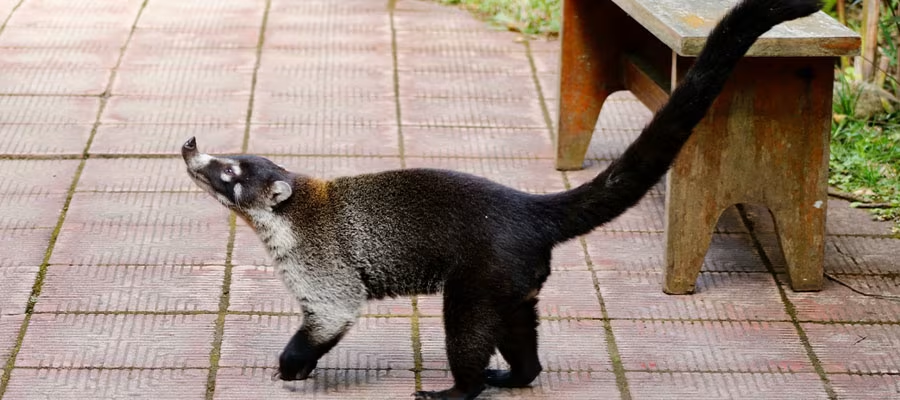
If you're vacationing in Costa Rica and you see a furry, raccoon-like creature trotting across a trail or sniffing around a picnic table, congrats, you just met a white-nosed coati, or as the locals call it, a pizote. These animals are native to Central and south America, super common in Costa Rica, and easily recognizable thanks to their long striped tails, white snouts, and curious, almost dog-like behavior.
Visitors often wonder:
Are coatis dangerous?
Where can I see them in the wild?
Can I feed or touch them?
What if I get bitten?
What’s the deal with those “Don’t feed the wildlife” signs everywhere?
This article answers all of that, and more. I’ll tell you where you’re most likely to spot them, how to observe them safely and responsibly, what makes them different from raccoons, what to do if one gets a little too curious, and yes, why you should never ever share your sandwich (even if they beg).
Planning a trip to Costa Rica soon? Don’t miss my full guide to wildlife-friendly road trips and the best parks to visit by car.

What exactly is a coati?
Coatis (pronounced co-AH-tees) are members of the Procyonidae family, (also raccoon family). But don’t let the connection fool you, coatis are a whole different vibe. The species you’ll find in Costa Rica, and more generaly south america is the white-nosed coati, or Nasua narica, which ranges from southern Arizona down to Colombia.
They’re super easy to spot once you know what to look for:
A long tail, often held straight up like a flagpole
A white snout, with a constantly moving nose used for sniffing out insects and fruit
Short legs, but they’re surprisingly agile, especially when climbing trees
Bands of coatis, usually made up of females and their young, foraging together like a little search party
Solo male coatis, much larger and often hanging out on their own
What makes coatis fun for wildlife lovers is that they’re diurnal, meaning they’re active during the day (unlike raccoons). So if you go hiking in the early morning or explore a park around lunchtime, chances are good you’ll catch a glimpse.

I once had a whole band of coatis cross the trail right in front of me in Monteverde, maybe 15 of them, nose to tail, totally ignoring the tourists and focused on turning over leaves. One of them stopped, looked at me, then walked right over my boot. Zero fear. It was like watching a tiny, furry parade.
Where to see coatis in Costa Rica
The short answer? Almost everywhere. Coatis are incredibly common in Costa Rica, especially in and around national parks, cloud forests, and even parking lots. Yep, you read that right, some of the best sightings happen when you least expect them, like while you're unwrapping a granola bar next to your rental car.
That said, here are some of the top spots where you’re most likely to cross paths with a coati (or twenty).
Manuel Antonio National Park
Manuel Antonio National Park is basically coati central. Walk the trails near the main entrance, hang around the picnic area, or even just chill near the beach, chances are, a group of pizotes will come trotting by.
Tip: Never leave your backpack unattended. Coatis (and raccoons) have absolutely no shame and will unzip your bag like pros if they smell food inside.

Arenal / La Fortuna
Around the Arenal Volcano, you’ll often see coatis near the roadside pullouts, forest trails, and even around the popular hot springs hotels. Early morning is best, especially along the quieter hiking paths.
Tip: Drive slow near forest edges, coatis sometimes cross the road in single file like a troop of tiny tail-flags.
Monteverde Cloud Forest
While monkeys often steal the spotlight here, white nosed coatis are definitely around, especially near Selvatura Park, Curi Cancha, and Santa Elena Reserve around Monterverde. I once spotted a band of them nosing through the leaf litter just steps from the trailhead.
Pro move: Bring a camera with a zoom lens. They’re not afraid of people, but you’ll get better photos from a distance.

Rincón de la Vieja National Park
In this dry tropical forest up north, coatis are frequently seen along the trails and picnic areas. This park is less crowded than Manuel Antonio, so the encounters feel wilder, more natural.
Tip: Pack out all trash, these parks are strict about leaving no trace, and rightly so. Plus, trash attracts coatis for all the wrong reasons.
Osa Peninsula / Corcovado
If you're heading deep into the wild (like Sirena Station in Corcovado) coatis are everywhere. You’ll see them foraging under trees, crossing paths, even climbing branches.
Heads-up: In more remote parks, don’t get too close. These coatis aren’t used to human snacks and can be more unpredictable.
Other common spots
Don’t be surprised if you spot coatis in places like:
Poás and Irazú Volcano parking lots
Roadside picnic areas
Hotel gardens near forests
They're smart, they’ve learned where people (and food) are, and they’ve mastered the art of the casual ambush. I once had one try to steal a banana peel from my hand at a gas station just outside La Fortuna. True story.

How to watch coatis responsibly (and legally)
It’s super tempting. A cute animal approaches you, sniffs your backpack, stares at your sandwich like it hasn’t eaten in weeks... and maybe you think, “What’s the harm in tossing it a bite?” But here’s the thing, in Costa Rica, feeding wildlife is illegal, and with coatis, it’s also a bad idea.
Let’s break down why.
Feeding coatis is illegal in Costa Rica
Costa Rica takes wildlife protection seriously. Feeding animals like coatis, raccoons, monkeys, or even birds can get you fined, and yes, park rangers actually enforce it.
Law aside, feeding them causes long-term damage: it changes their behavior, makes them aggressive, and teaches them to rely on tourists for food. That’s bad for them, bad for other travelers, and bad for the ecosystem.
Coatis are wild, not pets
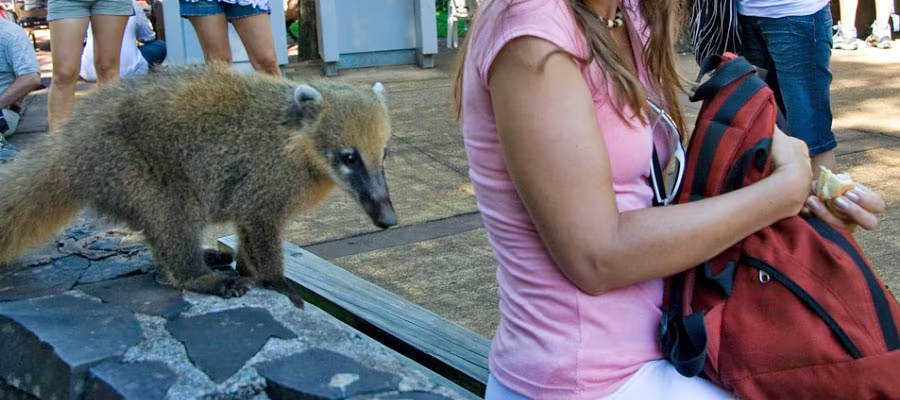
Even if they seem tame, coatis are still wild animals. Some of them have learned that people = snacks, and that makes them bold. I’ve seen coatis unzip backpacks, climb onto picnic tables, and even snatch bags of chips straight from people’s hands.
My tip: If one gets close, back away slowly, just let them move on. And whatever you do, don’t try to touch or pet them. A coati’s claws may be small, but they’re sharp.
They bite. And scratch.
And while it’s rare, coati bites do happen, especially when people try to hand-feed them or take selfies up close. You really don’t want that kind of souvenir.
So how do you watch them safely?
Here’s the golden rule: observe, don’t interact. Stay a few steps back, use your zoom lens, keep your snacks sealed, and let them do their thing. You’ll get way better photos and memories, and you won’t be part of the reason they’re getting sick, aggressive, or hit by cars.
Want a quick comparison? Imagine feeding raccoons in Yosemite. You just wouldn’t do it, right? Same energy here. Cute, but wild.

What to do if you get scratched or bitten
First of all, don’t panic. Serious incidents with coatis are rare, and most visitors will never have a problem. But like with any wild animal, accidents can happen, especially if people get too close or try to feed them.
Let’s say you reach for your backpack and a coati thinks you’re offering food. Maybe it gets startled, claws at your hand, or gives you a warning nip. What should you do?
Clean the wound right away
Wash the area thoroughly with soap and clean water
Use an antiseptic if you have one (iodine, alcohol, etc.).
Don’t delay.
If the bite or scratch broke the skin, you should definitely talk to a local doctor or clinic. There are medical centers in every major town and tourist area in Costa Rica, and most staff are used to treating travelers.
What about rabies?
Let’s be clear: coatis are not a major rabies risk in Costa Rica. The main rabies vector here is bats, not mammals like coatis. That said, post-exposure protocols still apply if:
You were bitten or scratched and the skin was broken
The animal was acting strangely (aggressive, disoriented, etc.)
You’re not up to date on your tetanus shot
When to seek medical help
Here’s a quick checklist:
The wound is deep or bleeding heavily
The animal bite came from a wild or stray animal
You’re feeling unwell or feverish afterward
You're unsure about your last tetanus booster
You just want peace of mind (totally valid!)
Costa Rica has solid healthcare, and even tourist towns like La Fortuna, Tamarindo, or Puerto Viejo have clinics. If you’re in a remote area, your hotel or guide will know the nearest option.

Fun facts about coatis (especially for kids)
Traveling with little ones? Coatis are a great introduction to Costa Rican wildlife. A few fun facts to share:
Coatis live in “bands” of females and babies, sometimes 15+ strong, like a furry marching squad.
They’re omnivores, eating especially fruits, bugs, eggs, and the occasional frog.
That tail? Their tail lenght helps them balance when climbing trees and also acts like a group flag.
They can rotate their ankles almost 180°, which helps them climb down trees headfirst. Wild, right?
They’re related to raccoons, but behave more like monkeys mixed with anteaters. Weird combo? Maybe. But it works.
Coatis in Costa Rica are anything but shy, they’ll happily rummage through your bag or trot right up to anyone holding food, like it’s the most normal thing in the world.
FAQ about coatis in Costa Rica
Are coatis dangerous to humans? Not really, unless they’re used to being fed. Most will ignore you if you keep your distance.
Is it illegal to feed coatis in Costa Rica? Yes. 100%. It’s bad for them and for future travelers.
Do coatis carry rabies? Very rarely. Bats are the bigger concern. But still, get medical advice after any bite or scratch.
Where can I see coatis in Costa Rica? National parks like Manuel Antonio, Monteverde, Arenal, and Rincón de la Vieja are all great options. They also hang around roadside stops and picnic areas.
What should I do if I see a coati acting weird or aggressive? Don’t approach. Report it to a park ranger if you’re inside a reserve.
What’s “pizote”? That’s the Spanish name for white-nosed coatis. Locals use it all the time.
Is the white-nosed coati an endangered species? No, the white-nosed coati (Nasua narica) is not considered endangered. According to the IUCN Red List, the species is currently listed as Least Concern, meaning it's not facing an immediate risk of extinction.
When is coati breeding season in Costa Rica? The breeding season for white-nosed coatis in Costa Rica typically takes place between January and March, which lines up with the dry season in most parts of the country. During this time, males become more active and territorial, often roaming solo and searching for receptive females. The big guys you’ll see walking alone on trails? It's usually an adult male, lone coati on the move during mating season. After mating, females separate from the band and go off to build tree nests where they’ll give birth and raise their young. Baby coatis (called kits) are born after about 75 days of gestation, usually around April to May, and start exploring with the band by the start of the green season.
Final thoughts (and a little travel tip)
Seeing coatis in the wild is one of those small but memorable travel moments, unexpected, spontaneous, and very Costa Rica. Just remember: be respectful, don’t feed them, and enjoy the moment from a safe distance. You’ll get better photos, better stories, and you’ll help keep Costa Rica’s wildlife wild.
Looking to explore Costa Rica’s national parks and nature spots? Check out my complete road trip guide, with tips on renting a car, finding off-the-beaten-path trails, and spotting exotic animals the responsible way.
And if you loved the coatis, wait ‘til you meet the sloths ;)
