
Wild cats in Costa Rica: where and how to spot them in the wild
Costa Rica isn’t just about beaches and volcanoes. It's a biodiverse playground where some of the planet's most elusive wild cats still roam free. Whether you're a wildlife enthusiast, a photographer on the hunt for that once-in-a-lifetime shot, or just curious about what might be lurking in the jungle at night, this article’s for you.
We’ll go over all the wild cat species found in Costa Rica, where you might have a chance to see them, the best parks and reserves to visit, and practical tips to increase your chances. You'll also get some background on Costa Rica’s conservation efforts, ethical tourism advice, and answers to common questions (like: “Will I get eaten by a jaguar?” Spoiler: nope).
Let’s dive into the jungle. And to explore Costa Rica’s national parks and reserves, don’t forget to rent a car!
The 6 wild cat species of Costa Rica
Costa Rica is home to six native species of wild cats. Some are tiny and adorable (but fierce), others are massive and mysterious. Here’s the full list:
Jaguar (Panthera onca): The largest cat in the Americas. Iconic, rare, and near-mythical in the jungle.
Puma / Cougar (Puma concolor): Also called mountain lions, they’re more widespread and adaptable than jaguars.
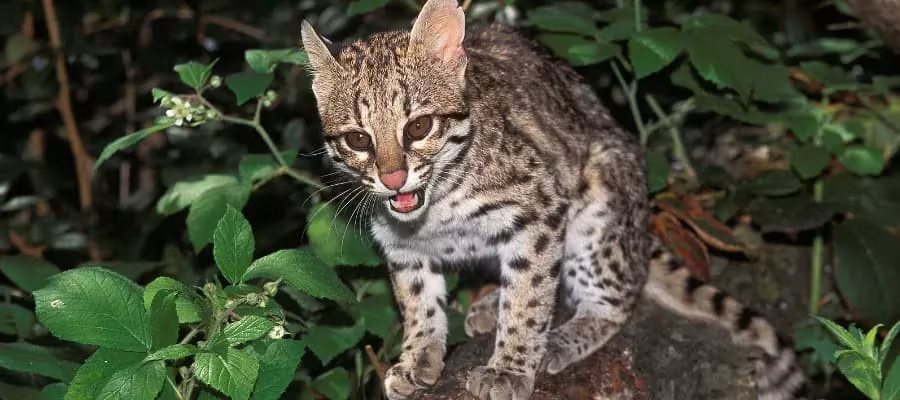
Ocelot (Leopardus pardalis): Gorgeous spotted cats, medium-sized, and often active at night.
Margay (Leopardus wiedii): Smaller than ocelots, with big eyes and a love for climbing trees.
Jaguarundi (Herpailurus yagouaroundi): The oddball of the family. Long, slender, and more like a weasel in shape.
Oncilla (Leopardus tigrinus): The tiniest of them all. Rare and rarely seen.
Only a few lucky travelers ever spot these cats in the wild, but even hearing them, seeing tracks, or catching a glimpse on a night cam can be unforgettable.

Trying to see a jaguar in the wild is like going to Yellowstone hoping to high-five a wolf. Possible? Technically. Likely? Not really. But that’s the thrill of it.
Focus on each feline species, and where to see them
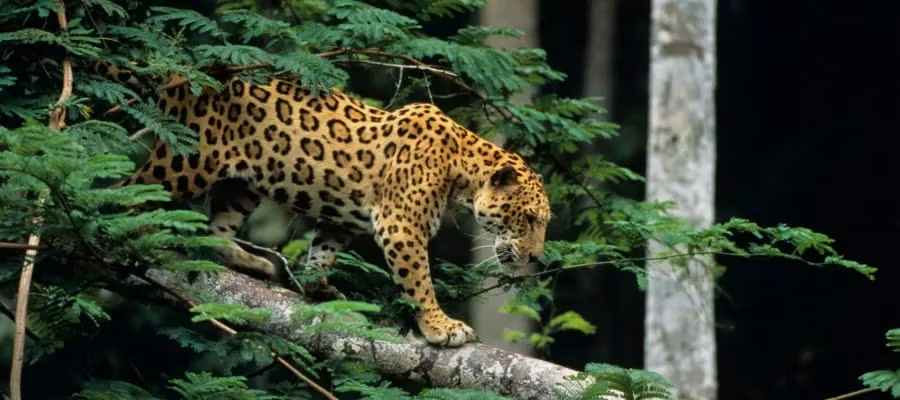
Jaguar
If Costa Rica had a national spirit animal, the jaguar would be a top contender. Solitary, powerful, and stealthy, these cats roam mostly in the remote lowland rainforests like Corcovado National Park and La Amistad International Park (which borders Panama). Jaguars are nocturnal and extremely shy, so even park rangers rarely catch more than their pawprints or the eerie sound of a growl deep in the jungle.
Best odds: Corcovado, via multi-day guided treks.
Tip: Ask local guides if any camera traps have spotted jaguars recently, they’ll know.

Puma (Cougar/Mountain Lion)
More adaptable than jaguars, pumas are found in a wider range of habitats, including Monteverde Cloud Forest, Santa Rosa National Park, and even higher elevations like Chirripó National Park. They’re usually active at dawn and dusk, and unlike jaguars, they sometimes pass through areas where tourists hike.
Best odds: Chirripó (long hikes), Monteverde (off-season, early morning).

Ocelot
Ocelots are beautifully patterned and love dense vegetation. You won’t likely see them during the day, but if you’re staying overnight in wildlife lodges near Tortuguero or Corcovado, you may hear them moving through the underbrush.
Best odds: Osa Peninsula, especially in eco-lodges with camera traps.
Fun tip: Some lodges share footage from hidden night cams with guests, ask if they have a “cat-cam.”

Margay
Smaller, rarer, and mostly arboreal, margays are elusive tree dwellers. Their large eyes and long tails help them balance in the canopy, and they’ve been seen mimicking monkey calls to lure prey, yes, they’re clever. You probably won’t see one unless you’re insanely lucky, but knowing they’re up there adds to the jungle’s mystery.
Best odds: Primary forests around Corcovado or Tenorio Volcano National Park.

Jaguarundi
Picture a stretched-out cat-ferret hybrid. Jaguarundis are mostly active during the day (unlike the others) and are more commonly spotted crossing roads or clearing brush near rivers and secondary forests.
Best odds: Northern Guanacaste and Sarapiquí region.
Tip: Local farmers sometimes spot them near pastures or water sources, chat with locals, they’ll have stories.

Oncilla
Even smaller than a house cat and ridiculously rare. Your odds of seeing one? Slim to none. But they exist, usually in elevated cloud forests. Think of the oncilla as Costa Rica’s unicorn.
Best odds: Monteverde area, but mostly through scientific research footage.
Best places in Costa Rica to see wild cats
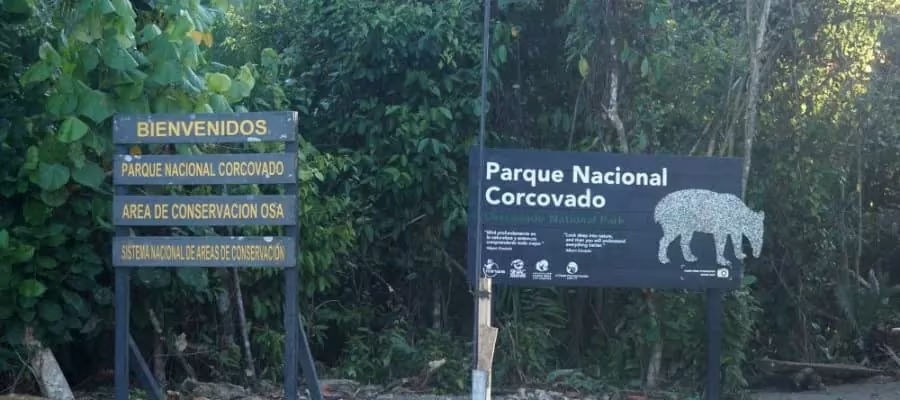
1. Corcovado National Park (Osa Peninsula)
This is the holy grail for wildlife lovers. National Geographic once called it “the most biologically intense place on Earth,” and it’s not just hype. With its remote trails, lack of infrastructure, and raw biodiversity, Corcovado gives you a real shot at spotting jaguars, pumas, ocelots, margays, and a thousand other incredible species.
Wild cats you might see: jaguar, puma, ocelot, margay, jaguarundi
Access: guided tours only, it’s mandatory
Main entry points: La Leona, San Pedrillo, Los Patos, Sirena
Entrance fee: about $15 USD/day + certified guide ($80 to $100 per group)
Travel tips: Sirena Ranger Station is the best for wildlife, try to overnight there if you can. Bring rubber boots, long-sleeved light clothes, and tons of water. Most tours depart from Puerto Jiménez or Drake Bay.
Good to know: Corcovado is your best shot at seeing a jaguar in the wild, go early in the morning for max chances.
2. Monteverde Cloud Forest Reserve
Jaguarundis, pumas, even the occasional margay roam these misty forests. But don’t expect a big cat to pop out behind the orchids. The beauty here lies in knowing what’s out there, hiding in the green silence.
Hiking in Monteverde is like walking through Jurassic Park, minus the dinosaurs. You’ll hear rustles, spot claw marks on trees, and feel that primal thrill, because something could be watching you.
Wild cats you might see: ocelot, margay, oncilla, puma (very rare)
Access: easy from Santa Elena, paved roads
Entrance fee: $25 USD per adult (foreigners)
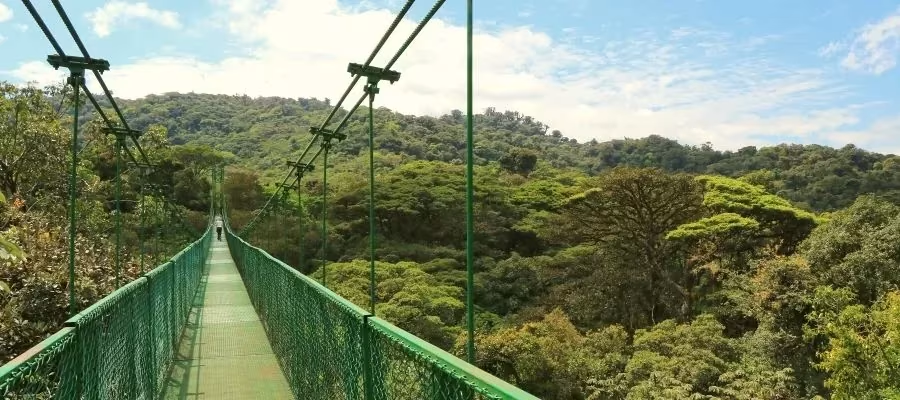
Travel tips: Best chances early morning or on a guided night walk (especially for margays). Don’t miss the suspended bridges, great for spotting canopy creatures. Wear layers, it’s cool and misty all year round.
Good to know: While sightings are rare, the sheer biodiversity and mystic forest vibe make it a top destination.
3. Santa Rosa National Park (Guanacaste)
Santa Rosa National park is a dry tropical forest, often overlooked by tourists, but it’s a haven for pumas and jaguarundis. Fewer visitors mean more chances for animals to roam undisturbed.
Access tip: Rent a 4WD to access the park comfortably, especially during green season. Trails are less dense, making wildlife slightly easier to spot (or at least track).
Wild cats you might see: puma, jaguar, ocelot, margay
Access: easy by car, entrance via Santa Rosa Station (near La Cruz)
Entrance fee: around $12 USD
Travel tips: The Murciélago sector is less crowded and better for spotting big cats. Hike during cooler hours, early morning or late afternoon. It's quiet and off the beaten path.
Good to know: You can mix jungle hikes with wild beaches like Playa Naranjo and Playa Nancite, both are gorgeous and secluded.

4. Tortuguero National Park
While famous for sea turtles, the inland trails and canal-side forests are home to ocelots and jaguarundis. Night tours in lodges nearby can be surprisingly rewarding.
Cool fact: Jaguars here have been filmed eating sea turtles, pretty wild, right?
Wild cats you might see: jaguar (near the beach), ocelot, margay, jaguarundi
Access: no roads, you can only get there by boat or small plane
Main gateways: La Pavona (car + boat, 3.5 hours from San José) // Moín (near Limón, boat ride through the canals). Entrance fee: $15 USD
Travel tips: Stay in Tortuguero village and take guided boat tours through the canals. Combine boat tours with walking trails like Sendero Cerro for a better shot at spotting felines. Visit between August and October for turtle nesting (and more jaguar activity).
Good to know: Jaguars here are known to prey on sea turtles, rare behavior you won’t see anywhere else.

5. La Amistad International Park
Spanning both Costa Rica and Panama, this park is a giant, rugged, and mysterious beast. It has all six wild cats, but also some of the most inaccessible terrain. This one’s for adventurers. If you’re serious, go with a biologist-led expedition. It’s not casual tourism, but if you want to feel like a Nat Geo explorer, this is the place.
Wild cats you might see: jaguar, puma, oncilla (rare), margay
Access: remote and rugged, best with a local guide
Main access points: Las Tablas or Altamira (Costa Rican side)
Entrance fee: $10-12 USD
Travel tips: Ideal for hardcore hikers and nature lovers. Infrastructure is minimal, bring gear and prepare for humidity. Start from San Vito or San Isidro de El General for guide access. Good to know: This massive UNESCO-listed park is shared between Costa Rica and Panama. It’s rarely visited, which makes it ideal for wildlife sightings.
Bonus: Wildlife rescue centers & sanctuaries
For those who don’t have time to go deep into the wild or want guaranteed sightings, Las Pumas Rescue Center in Cañas and Rescate Wildlife Rescue Center near San José house rescued pumas, jaguarundis, and sometimes ocelots.
Ethical reminder: These centers should prioritize rehabilitation over petting or selfies. Always choose places with transparent conservation goals.
How to see wild cats in Costa Rica (without disturbing them)
Spotting a wild cat in Costa Rica is like winning the wildlife lottery. Jaguars, ocelots, pumas... they’re all out there, hiding in the dense rainforest, moving silently through national parks that feel straight out of National Geographic.
But here's the deal: these animals are elusive, and that’s a good thing. The goal isn’t to chase them down, it’s to give yourself the best chance to cross paths without disrupting their natural rhythm. Whether you’re dreaming of hearing a puma’s footsteps or catching a glimpse of a jaguar’s golden coat near a riverbank, there are smart, respectful ways to do it. Below, I’ll walk you through how to increase your odds (and what to avoid) so your feline encounter feels magical, not invasive.
Go with a local guide: If you’re dreaming of seeing a jaguar or ocelot in the wild, don’t go it alone. Local guides know how to read tracks, spot fresh scat, and recognize movement from a mile away. Plus, your money supports conservation and local communities. It’s a win-win. Ask guides if they’ve seen any felines recently. Some will even share photos from their camera traps.
Respect the jungle: Don’t stomp around blasting music on your Bluetooth speaker. Wild cats are shy and stealthy. To see them, you need to be quieter than a yoga retreat in the desert. Walk slowly. Whisper. Avoid flashy clothing (no neon). Ditch the strong perfumes or sprays.
Avoid feeding wildlife: Sounds obvious, right? Yet some tourists think tossing a snack is “helping.” It’s not. Feeding disrupts their instincts and can put them (and you) at risk.
Go at dawn or dusk: Most wild cats are nocturnal or crepuscular. Your best chance? Be on the trail at 5:30 am with coffee in hand or right before sunset. That’s when the jungle shifts gear and things get exciting.
Use red-light headlamps at night: If you’re on a night walk, red light disturbs animals less than white light. Some creatures won’t even notice it, giving you a better chance to spot them.
Learn to read signs: You might not see the cat, but you can see where it’s been. Tracks, scratch marks on trees, broken branches, and scat are all signs you’re in wild cat territory.
Practice patience: Wildlife watching isn’t a theme park ride. Sometimes you’ll hike hours and see nothing more than monkeys and toucans. But every rustle might be the one. That’s part of the magic.
Respect protected areas: Some regions are off-limits to visitors for good reasons: protecting critical habitat and giving space to vulnerable species. Don’t be that tourist who goes off-trail for a selfie. Stay on the path, and keep the jungle wild.

What to bring for a jungle edition:
Jungle adventures in Costa Rica aren’t your average walk in the park. Think mud, mist, mosquitos, and moments that feel like a scene from Indiana Jones. To enjoy it all (without regretting every step), you’ll want to pack smart. The weather changes fast, the trails can be tricky, and once you’re deep in the forest, there’s no running back for forgotten gear. Here’s a quick checklist to help you stay dry, safe, and ready, whether you're tracking pumas or just hoping to spot a toucan.
Binoculars (8x or 10x)
Lightweight hiking boots
Waterproof gear
Insect repellent
Snacks + lots of water
Camera with good zoom (or leave it be and just enjoy the moment)
FAQ about wild cats in Costa Rica
Are wild cats dangerous to tourists? Not really. They’re elusive, shy, and avoid humans. Attacks are practically unheard of. Most of the time, you’ll never even know one is nearby.
Can I see a jaguar in Costa Rica? Yes, but it’s extremely rare. Jaguars live deep in the forests of Corcovado and La Amistad. Your best chance? Multi-day treks with experienced guides, and a lot of luck.
Are there any sanctuaries where I can see wild cats? Yes. Some reputable rescue centers (like Las Pumas Rescue Center or Toucan Rescue Ranch) care for injured or orphaned cats. It’s a good way to see these animals ethically, without disturbing their wild counterparts.
When’s the best time of year to see them? Dry season (Dec-April) is best for travel, but cats are active year-round. Fewer crowds in May (June or September) October can also make for better wildlife viewing.
What should I avoid? Avoid tours that promise guaranteed sightings of wild cats in the wild, it’s usually not ethical, and sometimes not even legal. Also skip any place that lets you touch or feed big cats. If it feels off, it probably is.
Final thoughts: the real beauty of Costa Rica’s wild cats
You don’t need to see a jaguar to feel its presence. In the hush of the forest, under dripping leaves and rustling branches, you realize: you're not just a tourist, you’re part of something bigger.
Costa Rica’s wild cats are ghosts of the jungle. They teach us patience, respect, and the art of observation. Seeing one is incredible, but knowing they’re out there, thriving in protected forests, is just as powerful.
So grab your hiking boots, a good guide, and maybe a little bit of luck. Whether you spot a puma in the shadows or just its paw print in the mud, your Costa Rica story will be one to remember.
Need a ride for your jungle adventure?
Whether you’re heading to Corcovado, Monteverde, or a hidden reserve off the beaten track, renting a car is the best way to explore Costa Rica on your terms. Go where the cats go. Stay longer. Discover more.
Book your rental car now and start your wild Costa Rica journey