
What to do in Guanacaste, Costa Rica
Guanacaste: Beautiful beaches, volcanoes, wildlife and unforgettable day trips
Looking for the best things to do in Guanacaste, Costa Rica? Whether you’re into volcano hikes, tropical beaches, wildlife safaris or laid-back surf towns, Guanacaste is the kind of place that delivers big. It’s dry, sunny, easy to get around, and packed with both bucket-list adventures and low-key beach days.
If you’re flying into Liberia Airport (LIR), you’re in luck. It’s the perfect jumping-off point to explore everything this region has to offer. Within two hours, you can reach hot springs, national parks, turtle nesting sites, hidden waterfalls, and some of the most beautiful beaches in the country. Renting a car at Liberia Airport makes it all incredibly easy, especially if you want to move around at your own pace.
In this guide, I’ll walk you through the absolute must-sees in Guanacaste:
National parks and volcano trails (Rincón de la Vieja, Tenorio, Palo Verde)
The best beaches for surfing, snorkeling, or just sipping something cold under a palm tree, plus top beach activities like swimming, sunbathing, and water sports
Day trips worth planning, with real drive times and practical tips
Micro-adventures like ziplining, catamaran cruises and turtle watching
Where to stay based on your vibe (family, luxury, surf, romantic escape)
How to get around, how much things cost, and what to expect during each season
I’ve explored Guanacaste solo, as a couple, and with friends. Each time, I find new spots, new trails, and new ways to fall in love with the region. Let me help you do the same.
Ready to build your itinerary? Let’s start with the key facts.

Quick answers before you go
When’s the best time to visit Guanacaste?
Guanacaste has a dry season (mid-November to April) and a green season (May to October). If you’re chasing sun and surf, aim for December through March. That’s also high season, so book early and expect higher prices. The green season means more afternoon showers, but also fewer crowds and lush scenery.
Where should I base myself?
That depends on your travel style:
Tamarindo / Playa Conchal / Flamingo: Great for beach towns with restaurants, surf schools, and easy access to tours.
Playas del Coco / Playa Hermosa: More laid-back, family-friendly, ideal for boat tours.
Papagayo Peninsula: Luxury hotels, quiet beaches, very relaxing.
Nosara / Sámara: For a more boho vibe, surf culture, yoga studios, and unpaved charm.
All inclusive resorts: Perfect for travelers seeking convenience and comprehensive amenities, with many options in Guanacaste offering hassle-free vacation packages.

A spot in Nosara
Do I need to rent a car?
Short answer: yes, if you want freedom. Public buses exist but are slow and sparse. Taxis can add up fast. I always rent a car at Liberia Airport, right after I land. Roads are decent, signage is improving, and you’ll thank yourself when you’re pulling up to a remote beach at sunset with no one else in sight.


Is it safe to drive in Guanacaste?
Yes, as long as you drive during daylight and avoid river crossings in rainy season. Waze works great. Most roads are paved, but some beach or mountain roads (like to Nosara or Rio Celeste) can get bumpy, especially in wet months. A small SUV or 4×4 is helpful but not always necessary.
How far is Tamarindo from Liberia Airport?
About 1.5 hours by car. Most other hubs are within 2 hours max. I’ll break it down more in the day trip section below. Getting to Guanacaste couldn’t be easier, thanks to the Daniel Oduber International Airport in Liberia. This modern airport is the main entry point for the region, welcoming direct flights from major airlines like American, United, and Delta, so you can often get here from North America with just one flight. Once you land, you’re perfectly positioned to start your adventure: pick up a rental car right at the airport, or arrange a private transfer to your hotel or beach town.

How Guanacaste is laid out (so you can actually plan)
The Guanacaste region of Costa Rica encompasses a diverse array of destinations, from coastal resorts to national parks and the scenic Nicoya Peninsula. Think of Guanacaste like a triangle with Liberia Airport at the top. From there:
Head southwest to reach Playas del Coco (also known as El Coco), Playa Hermosa, and the Papagayo Peninsula, which features the picturesque Culebra Bay known for its luxury resorts and natural beauty (30-45 min drive)
Go south to reach Tamarindo, Playa Conchal, and Playa Flamingo (1.5 hours)
Continue farther south to Nosara and Sámara on the Nicoya Peninsula, a region celebrated for its natural beauty and biodiversity (2.5-3 hours, longer in rainy season)
Head northeast inland for Rincón de la Vieja National Park (1.25 hours)
Go east toward Tenorio Volcano and Río Celeste (2.5 hours)
And southeast for Llanos de Cortés waterfall and the Palo Verde wetlands (1-1.5 hours)
Everything is drivable in a day, especially if you start early. Now, let’s dive into the real highlights.

12 amazing things to do in Guanacaste Province, Costa Rica
1. Hike through Rincon de la Vieja National Park
If you want bubbling mud pots, volcanic steam, and waterfalls all accessible via scenic hiking trails in Rincon de la Vieja National Park, this is your spot. The Las Pailas loop trail is about 3.4 km (2 miles), mostly flat, and full of cool geologic features.
Time from LIR: 1h15
Entry: ~$17 USD, free parking
Pro tip: Start early, it gets hot fast. Closed Mondays in Las Pailas sector.
I started at 7:30 AM and had the trail mostly to myself, except for a curious coati and a very persistent blue morpho butterfly that followed me half the way.
2. Soak in volcanic hot springs
After your hike? Treat yourself. The Rio Negro hot springs, nestled by the river, are the perfect way to let your legs recover. Several small pools, a hanging bridge, and buckets of volcanic mud you smear on like a spa pro.
Entry: ~$25 USD day pass (includes showers, changing rooms)
Bring dark swimwear and leave the white towels at home, mud is part of the charm

3. Spot wildlife on a Palo Verde boat tour
This one’s a hidden gem. At Palo Verde National Park, you float through wetlands on a quiet boat while monkeys swing above and crocs nap nearby. If you’re into birdwatching or just want a break from beach life, it’s a calm, beautiful change of pace.
Time from LIR: 1-1.5h
Tour: ~$45-60 USD (half-day with guide)
Best in dry season when wildlife is easier to spot

4. Chase waterfalls (because you absolutely should)
Llanos de Cortés: Near Bagaces, 20 min off the highway, wide and beautiful for swimming.
Oropéndola Waterfall: Near Rincón, with a short hike and a turquoise plunge pool.
Entry: $5-15 USD
Wear water shoes. Rocks are slippery, and flip-flops are not your friend here.

5. Catch a sunset on a catamaran cruise
A sunset sail on the Pacific Ocean with dolphins, snorkeling, cocktails, and that golden hour glow? Yes, please. Tours depart from Tamarindo, Playa Flamingo, or Coco, and usually include open bar, snacks, and snorkel gear.
Afternoon departures, 4-5h total
$70-100 USD per person
Most include open bar and light lunch. Don’t forget sunscreen and a towel.
Some companies do morning tours too, if you’re an early bird (or just hate sunsets, no judgment)
I saw flying fish and had the best rum punch of my trip. That combo is… dangerous.

6. Snorkel (or dive) the Santa Catalina Islands
These rocky islets off Flamingo are home to manta rays, reef sharks, and tons of tropical fish. Visibility is best Dec-May.
Snorkel tour: ~$85 USD, Diving: ~$120 USD
Not for beginners, strong currents sometimes.

7. Surf, even if you’ve never stood on a board
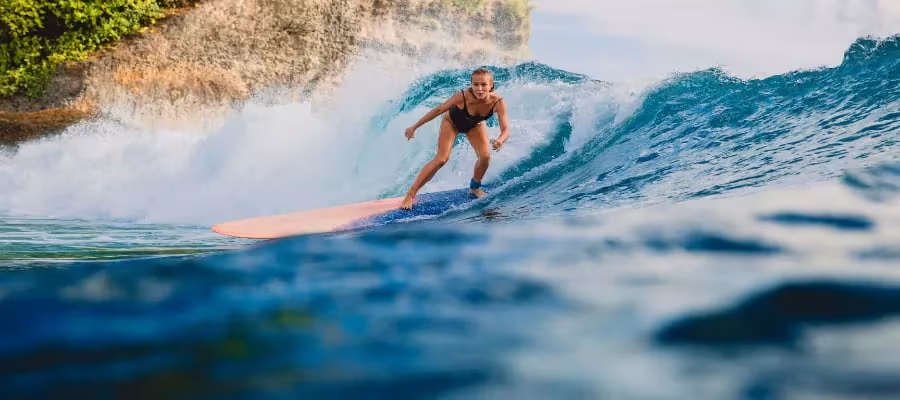
Playa Tamarindo and Playa Avellana are two of the most popular surf beaches in Guanacaste, known for their vibrant atmosphere and excellent waves. Tamarindo and Nosara are surf school central. Warm water, soft waves, and instructors who will literally push you into your first ride. Whether you nail it or nosedive, you’ll end the day smiling, and probably sore.
Lesson: ~$45-60 USD
Instructors will push you into your first wave. Prepare for photos, ego boosts, and epic wipeouts.
8. Go zipping, quadding or riding
Adrenaline fans, you’re in luck. Guanacaste has it all:
Zipline through jungle canyons
ATV tours up dusty hills and along beach trails
Horseback rides to waterfalls or scenic ridges
Combo tours are common. Just double check age limits for kids.
I did an ATV tour near Tamarindo and came back looking like a walking dust storm. Worth it.

9. Watch sea turtles nesting (and hatching)
Want to know when and where to see turtles in Costa Rica? Check out my full guide to turtle obseration spots and seasons.
Las Baulas National Park (Playa Grande): October to March (leatherbacks)
Ostional Wildlife Refuge: Mass arrivals (arribadas) of olive ridley turtles, esp. during new moons. Peak arribadas at Ostional happen especially August-October.
Tours mandatory for Playa Grande ($20-30 USD)
Absolutely no flash photography. Respect guides.

10. Explore the Papagayo Peninsula
Known for its luxurious resorts, the Papagayo peninsula also hides gorgeous beaches like Playa Nacascolo and Playa Blanca. Some are public, others require hotel passes or walking in via side trails.
Bring snacks and water, as amenities are limited.

11. Discover the lesser-known Santa Rosa National Park
Santa Rosa National Park is home to serene beaches and dry tropical forests, making it a unique destination. Costa Rica’s first national park, filled with dry tropical forest, remote trails, and even historic battlefields. Very off-the-beaten-path.
Entry: ~$12 USD
Check opening hours and road access (some require 4×4)

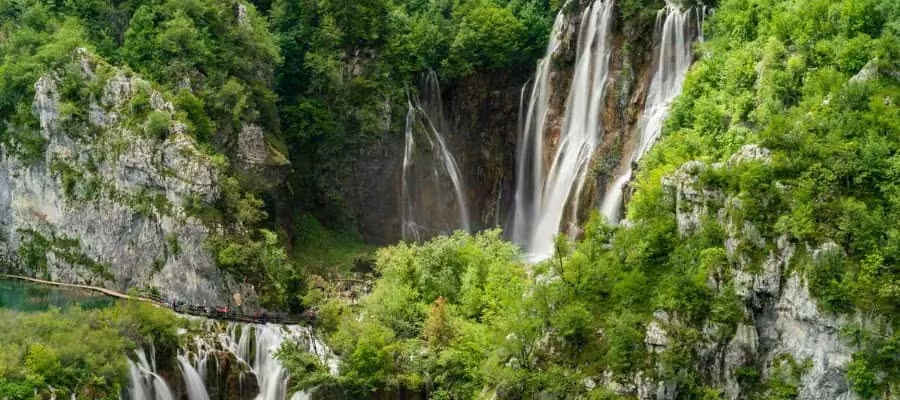
12. See the magical blue of Río Celeste
While technically located just outside the Guanacaste province, both Tenorio Volcano and Río Celeste are close enough to be popular day trips for travelers exploring the region.
It’s hard to believe this river isn’t filtered through Instagram. The Tenorio Volcano National Park trail leads to a waterfall so blue, it looks fake. The hike takes 2-3 hours round-trip depending on your pace (and mud tolerance).
Arenal Volcano is another of Costa Rica's iconic volcanic destinations, famous for hiking trails and relaxing hot springs.
Time from Tamarindo: 3h
Entry: ~$12 USD
Avoid rainy days unless you’re into slippery mud challenges.
I fell. Twice. But it was 100% worth it. That color is like Gatorade Glacier Freeze meets Photoshop.

Where to go, beach by beach
Tamarindo: Lively, walkable, full of surf schools, beach bars and good food. Great for first-timers, digital nomads, and people who like a social vibe.
I once sat at a beachfront taco place and watched a group of kids learning to surf while a howler monkey shouted from a palm tree. Classic Costa Rica chaos. Loved it.
Playa Conchal: One of Guanacaste's famous white sand beaches, with white crushed shells instead of sand and crystal-clear turquoise water. Calm and swimmable, with beautiful sandy beaches perfect for relaxing. Park at Brasilito and walk ~10 minutes to the beach. No direct access by car unless you’re at a resort.
Playa Flamingo: Now often called Flamingo Beach, this chic and quiet spot features pinkish-white sand and scenic views. With a new marina, it's a good base for catamaran tours and diving trips. Restaurants are pricier here, but sunsets are worth it.
Playas del Coco / Playa Hermosa: Known as El Coco, this area is a key tourism hub with a more local feel, ideal for families and older travelers. Lots of boat tour departures and plenty of infrastructure for visitors. Coco is busier, Hermosa is more relaxed.
Nosara / Playa Guiones: Surf town meets yoga retreat. Dirt roads, hip cafes, eco-lodges and consistent waves. Playa Avellanas, another popular surf destination with easy access, is nearby and worth a visit for its laid-back vibe. Wi-Fi is solid; the roads, not so much. But that’s part of the charm.
Playa Sámara: Calm bay, great for kids and kayaking. Underrated and peaceful. Kayak to Isla Chora if you’re feeling adventurous.
Papagayo beaches: Inside the luxury zone, but public access exists (like Nacascolo or Virador). These stunning beaches offer beautiful beach settings with pristine sand and clear water. Some require walking past security or taking a boat taxi. Doable, and beautiful.
Las Catalinas: A notable beach destination with boutique hotels, including the luxury, adults-only Casa Chameleon Hotel, overlooking the ocean and offering a unique stay experience.

Playa Conchal
Easy day trips from Liberia or Tamarindo
Rincón de la Vieja: 50 min-1h
Llanos de Cortés waterfall: 40 min
Palo Verde boat tour: 50 min
Santa Rosa National Park: 35-50 min
From Tamarindo:
Rio Celeste (Tenorio): 2.45h each way (long day but amazing)
Playa Conchal: 30 min
Las Baulas turtle tour: 30-45 min to Playa Grande
Sunset catamaran: 0 min, it leaves from town
Tip: Start early for waterfalls or volcanoes (they get crowded and hot fast). Bring cash for park fees and snacks. And don’t rely on Google Maps ETA too blindly, Costa Rica time is its own thing.

Food and drink in Guanacaste: What (and where) to eat
If you love good food, you’re in for a treat in Guanacaste. The region is known for its fresh, flavorful cuisine, think just-caught seafood, zesty ceviche, and grilled fish served right on the beach. For a true taste of Costa Rica, stop by a local soda (small, family-run restaurant) in towns like Tamarindo or Santa Cruz and try traditional dishes like gallo pinto (rice and beans), casados, or crispy empanadas.
Guanacaste also has a growing scene of high-end and international restaurants, so you can enjoy everything from wood-fired pizza to gourmet fusion cuisine if you’re in the mood for something different. And after a day of exploring, nothing beats sipping on a cold coconut water or a fresh tropical juice. Whether you’re grabbing a quick bite at a roadside stand or settling in for a sunset dinner with your toes in the sand, the food scene here is as vibrant and welcoming as the region itself.

Best time to visit Guanacaste
When it comes to planning your trip, the best time to visit Guanacaste really depends on what you’re looking for. The dry season, from December to April, is perfect for those who want endless sunshine, warm weather, and ideal conditions for beach hopping, hiking, and outdoor adventures. This is when the region’s tropical dry forests and coastal ecosystems are at their sunniest, making it a great time for a relaxing vacation.
If you prefer fewer crowds and don’t mind the occasional afternoon rain shower, consider visiting during the rainy season from May to November. The landscape transforms into lush, green scenery, and you’ll often find better deals on hotels and tours. No matter when you go, Guanacaste’s warm climate and beautiful beaches make it a year-round destination for travelers seeking both adventure and relaxation.
Safety in Guanacaste: What travelers need to know
Guanacaste is one of Costa Rica’s safest and most welcoming regions, making it a great choice for travelers of all ages. Crime rates are low, especially compared to other parts of Central America, but it’s always smart to take basic precautions, keep an eye on your belongings in busy areas, avoid walking alone late at night, and follow local advice when exploring.
When visiting national parks like Palo Verde National Park and Santa Rosa National Park, or spending time on the beautiful beaches, always check for any posted safety guidelines and listen to local authorities or your hotel staff for updates. Outdoor activities like hiking, surfing, or wildlife watching are generally safe, but wearing the right gear and staying aware of your surroundings will help ensure a worry-free trip. With its friendly locals and strong focus on tourism, Guanacaste is a destination where you can relax and enjoy everything Costa Rica has to offer with peace of mind.

Planning tips that’ll save you time (and maybe your patience)
Rent a car at Liberia Airport
Trust me, it’s way easier to have wheels from the start. Agencies are just outside the terminal. Pick up, drive off, freedom.
If you're visiting between May and November (aka green season), consider a 4×4 or AWD, especially if you’re going to Nosara, Rio Celeste, or remote beaches.
Pack for real life, not Instagram. You’ll need:
Reef-safe sunscreen
Water shoes
Rain jacket (even in dry season, clouds can surprise you inland)
Small bills (for tolls, tips, sodas on the roadside)
Snacks and water in the car, always
Be smart with your phone
Waze works better than Google Maps
Most hotels and restaurants have Wi-Fi
Local SIMs are cheap if you plan to drive around a lot
Know the rules of the jungle
National parks open early, close early
Don’t touch or feed animals (yes, even the cute monkeys)
Turtles are protected, watch quietly, no flashes
Watch for rip currents; some beaches look calm, but aren’t
Where to stay in Guanacaste (by travel style)
For couples : Papagayo Peninsula or Playa Flamingo. Think upscale resorts, spa days, and sunset dinners. Many hotels offer day passes or all-inclusive options.
For families : Playa Hermosa, Sámara, or Playa del Coco. These spots are chill, walkable, and swimmable, plus close to wildlife and boat tours.
For surf & social vibes: Tamarindo or Nosara. Tons of surf schools, hostels, beach bars, and yoga spots. Ideal for solo travelers and friend groups.
For peace and privacy: Playa Conchal or remote areas of Papagayo. You’ll find boutique stays and villas with ocean views, far from the crowd.
Wherever you book, try to stay close to paved roads unless you're comfortable with bumpy drives. And always confirm parking if you’re renting a car (which, again, I highly recommend).

FAQ about visiting Guanacaste
Is Guanacaste safe for tourists? Yes. It’s one of Costa Rica’s safest regions. Use basic common sense, avoid walking alone at night in unfamiliar areas, and don’t leave valuables in your car.
Do I need a 4×4 to explore Guanacaste? Not always. For beaches and towns like Tamarindo or Papagayo, any sedan works. For Rio Celeste, Nosara or Santa Rosa, a 4×4 is much more comfortable, especially in rainy season.
Can I see turtles year-round? Not quite. Peak seasons vary:
Leatherbacks (Las Baulas): November to February
Olive Ridleys (Ostional): mass arrivals during new moons, especially July to December
Which beaches are best for snorkeling? Try Playa Conchal, Playa Blanca (Papagayo), and the Catalina Islands (by tour). Visibility is best Dec-May.
Best beaches for families with young kids? Sámara, Hermosa, and Playa Panama offer calm waters and easy access.
Can I do a day trip to Rio Celeste from Tamarindo? Yes, but it’s a long day. Leave early (6 AM), bring snacks, and prepare for a 2.5h drive each way.
Final thoughts
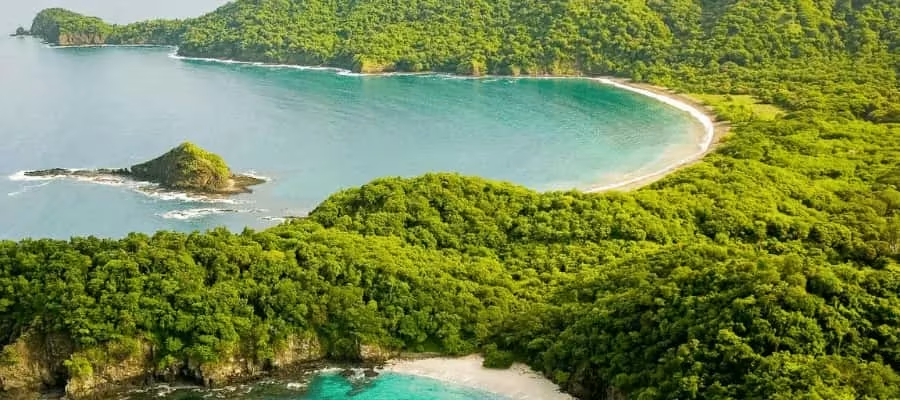
Guanacaste is where Costa Rica shows off, volcanoes, beaches, wildlife, and that laid-back pura vida energy. It’s easy to explore, easy to fall in love with, and surprisingly easy to get around if you plan it right.
If you're flying into Liberia, rent your car right at the airport and go. There’s so much to see in just a few days, and even more if you can stretch your trip.
Whether you're hiking past steaming fumaroles or watching the sun melt into the Pacific from a catamaran with a cold drink in hand… one thing's for sure: you're not going to want to leave.