
What to Do in Santa Teresa, Costa Rica
Planning a trip to Santa Teresa, Costa Rica? You’re in for a wild mix of rugged roads, world-class surfing, dreamy sunsets, and a wellness scene that could give Tulum a run for its money.
This beach town on the Nicoya Peninsula has become a favorite among American and Canadian travelers for good reason: you get adventure, chill vibes, and just the right touch of jungle-meets-beach magic. Whether you’re here to ride the waves, explore hidden waterfalls, or just sip smoothies after yoga class, there’s plenty to love.
In this guide, I’ll walk you through:
The top things to do in and around Santa Teresa
Must-know tips on getting around (spoiler: it involves ATVs and dusty roads)
Where to surf, swim, and unwind on the beach
Great places to eat, drink, party, or zen out
Day trips worth the detour (think waterfalls and protected reserves)
Safety, transport, and a few things no one tells you before you arrive
Let’s dive in, and yep, I’ve been there, done all that (even wiped out a few times on a board). Here’s everything you need to make your Santa Teresa vacation unforgettable (don't forget to rent a car at Liberia Airport !).
Surf & Beaches: The soul of Santa Teresa
If you came to Santa Teresa with a board or even just the dream of standing on one, you’re in the right place. This town breathes surf. Literally, everyone from grommets to gray-haired shredders is chasing waves here.

Best surf spots in Santa Teresa
Playa Carmen: Great for beginners and intermediate surfers. Soft, rolling waves and plenty of surf schools nearby. If it’s your first time, this is your playground.
Playa Santa Teresa: More powerful and fast. Perfect for intermediate to advanced surfers looking for a more thrilling ride.
Playa Hermosa (north of town): Scenic, laid-back, and less crowded. Great all-around spot, especially if you're hunting for longer rides.
Wave Tip: Dry season (Dec-Apr) brings smaller, clean waves, ideal for learning. Rainy season (May-Oct) delivers bigger, stronger swells, better for seasoned surfers.
Lessons & Rentals
You’ll find tons of surf shops offering group lessons ($70-80). Board rentals range from $10-20/day. Most instructors are super friendly, many are locals or longtime expats who know the beach like their backyard.
I took a 7am lesson at Playa Carmen and paddled out under a pink-orange sky while howler monkeys cheered us on from the jungle. Ten wipeouts later, I finally stood up, pure magic.
Yoga & Wellness
This town runs on good vibes. Join a beachside yoga session at sunrise, treat yourself to a deep tissue massage, or go all in with a full wellness retreat. Places like Pranamar Villas and Horizon Yoga offer a mix of classes and holistic treatments with views over the ocean or the jungle. Expect hummingbirds, salty air, and total zen.

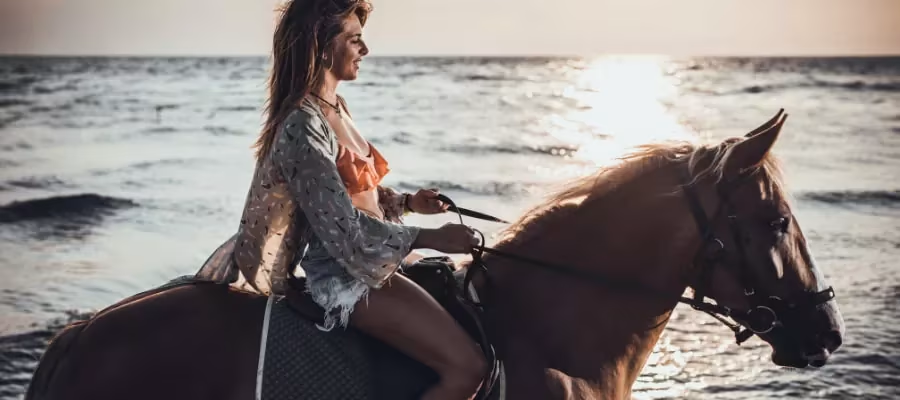
Horseback riding on the beach
Riding into a Costa Rican sunset? Absolutely bucket-list material. Sunset horseback rides along Playa Hermosa or Playa Carmen are one of the most enchanting ways to experience Santa Teresa. Tours are typically 1.5 to 2 hours long and cost between $45 and $65 USD per person. Most local providers like Ollie’s Adventures or Canopy Mal Pais include a quick intro for beginners before hitting the sand.
Great for couples, families with older kids (usually 6+), and solo travelers. Tours depart late afternoon to catch golden hour. Long pants and closed shoes are recommended, though flip-flops are tolerated in true Santa Teresa spirit.
Beyond the beach : Nature & day trips from Santa Teresa
Sure, Santa Teresa is all about surf and sunsets, but there’s way more to experience if you're willing to swap your board for a pair of sneakers or a yoga mat (at least for a few hours).
Montezuma waterfalls
Just a 45-minute drive or quad ride from Santa Teresa, Montezuma falls are a must. There are three tiers, one is perfect for swimming, another has a rope swing, and the third... well, it's a climb, but totally worth it. Tip: wear solid shoes, it gets slippery. Entry is free via the river trail; or $2-$4 if you use the private trail with steps and railings. Suitable for adventurous kids and fit adults.

Curu Wildlife Refuge
A bit off the beaten path (about 1.5 hours from Santa Teresa), but if you’ve got wheels and a full day, Curu is a gem. Entry is $12 USD, and the park is open daily from 7 AM to 3 PM.
Trails are mostly easy, and wildlife is abundant: capuchin monkeys, tropical birds, agoutis, and maybe even a sloth if you’re lucky. Great for families, casual hikers, and anyone into wildlife photography. It’s also the departure point for Tortuga Island tours, so you can bundle both if time allows.
Pro tip: go early for the best chance to see wildlife and avoid the heat.

Tortuga Island snorkeling tour
A dreamy day trip from Santa Teresa, Tortuga Island is a small tropical gem just offshore, famous for its turquoise waters, white sandy beaches, and vibrant coral reef teeming with fish. After a 30-45 minute boat ride arrives you on Tortuga Island. Reef snorkeling reveals tropical fish (angelfish, parrotfish), rays, and sometimes turtles and octopus. Expect 1-1.5 hours in the water, followed by free time on the pristine beach for snacks, sunbathing, or relaxing under shade.
Tours typically depart from Tambor or Montezuma, about 45-60 minutes from Santa Teresa.
Check-in is often early (around 7:00-7:30 AM), with returns by either early afternoon or late afternoon.
Full-day packages run around $55-$75 USD per person, and usually include hotel pickup, snorkel gear, lunch, and sometimes kayak use.
Natural rock pools in Mal Pais
These wild tide pools are a local secret worth chasing. Located just 10 minutes south of Santa Teresa in Mal Pais, they appear only at low tide, so check the tide charts beforehand. Entry is completely free, nature’s gift to you.
Bring water shoes if you're sensitive to rocks, and don’t forget sunscreen and water. Perfect for families, couples, or anyone needing a break from the surf. The pools are shallow and calm, making them great for kids under supervision.
What's really cool? It feels like soaking in a natural hot tub carved by the sea, minus the crowds and chlorine.

Cabuya Island cemetery
Accessible only at low tide, this mysterious island off Cabuya’s coast holds one of Costa Rica’s only island cemeteries. It’s both spiritual and photogenic. Walk from the beach (about 10-15 minutes one way) but check the tides carefully or risk getting stranded (seriously).
Free to access. No facilities, so bring water and sun protection. Great for adventurous couples, solo travelers, or families with curious kids. There’s a certain hush on the island that’s hard to describe, somewhere between sacred and serene.

Cabo Blanco Nature Reserve
Costa Rica’s very first protected reserve, Cabo Blanco is open Wed-Sun, from 8 AM to 4 PM. Entry costs $12 USD per adult, and trails range from moderate to challenging, covering about 4-5 miles round trip.
Expect 2 to 4 hours of hiking through thick jungle, where you might spot howler monkeys, coatis, deer, and a ton of birdlife. Bring good hiking shoes, bug spray, and lots of water. Probably not great for toddlers, but a dream for nature lovers and hikers.
The coolest part? The final trail takes you down to a hidden beach where you’ll feel like you’ve just stepped into Jurassic Park (minus the raptors).

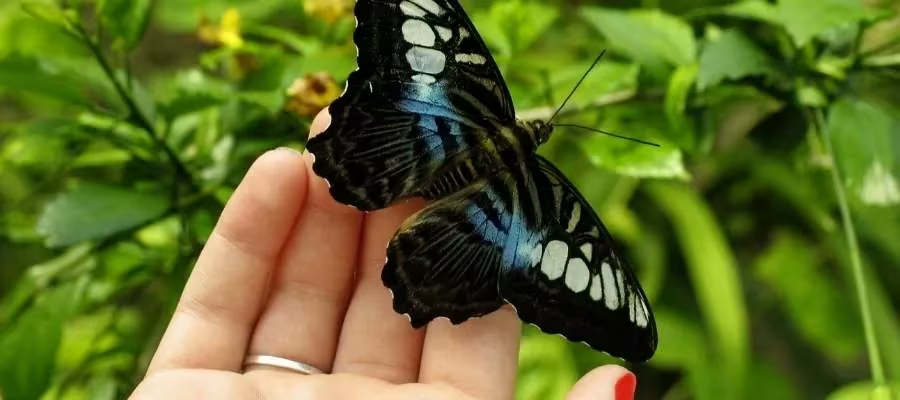
Butterfly Garden (Mariposario) in Montezuma
Located just before Montezuma town, this cozy butterfly garden is open daily from 9 AM to 3 PM. Tickets cost about $7-$10 USD. You'll walk through netted gardens filled with native butterflies like the iconic blue morpho, and learn about their life cycle in a calm, shaded space.
The garden is ideal for families, especially with younger children, or travelers looking for a slower-paced, educational stop. You can easily combine it with a trip to Montezuma Waterfalls. Bonus: the garden is managed with care and passion, you’ll feel it the moment you step in.
Where to eat in Santa Teresa: Cafés, beach eats & sunset dinners
Santa Teresa isn’t just a surf town. It’s a foodie's playground hidden in a dusty jungle strip. From smoothie bowls to seafood tacos and wood-fired pizza, the variety here might surprise you, in the best way.
Breakfast & brunch spots
The Bakery: Legendary. If you're craving shakshuka, giant croissants, or a proper cappuccino, this is your spot.
Zwart Art Café: A mix of art gallery and café, with incredible pancakes and strong coffee. Sit outside and people-watch.
Suna: Organic, chill, and full of healthy stuff that actually tastes amazing. Their açaí bowls are as photogenic as they are filling.
Lunch with sand between your toes
The Roastery: Coffee roasted on-site and tasty sandwiches. Great for a midday break with some AC.
Eat Street: A food truck park with options for every craving, poke bowls, burgers, falafel, Thai. Easy, cheap-ish, and delicious.
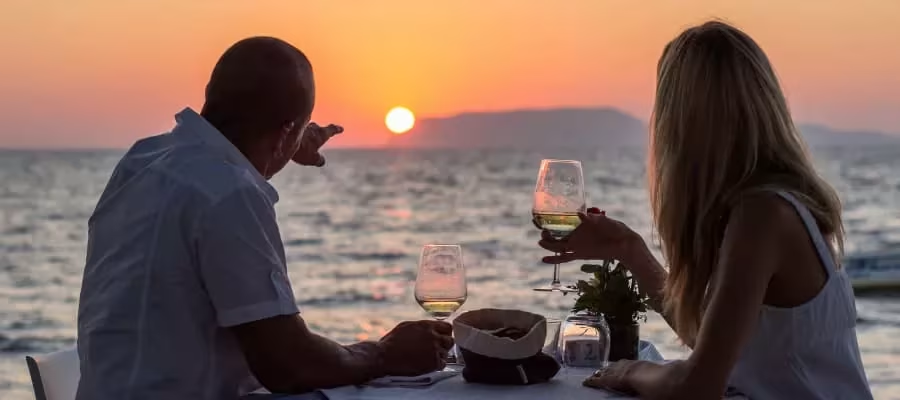
Sunset dinners worth dressing up for
Katana Asian Cuisine: Funky decor, shared plates, creative cocktails. Best fusion food in town.
Habaneros (on the beach): Go for the view, stay for the margaritas and fish tacos.
Koji’s: If you're up for sushi in the jungle, this place delivers, super fresh, intimate setting, and serious culinary skills.
Most places are casual, but some take reservations for dinner (especially in peak season: Dec to March). Bring cash or ask if they take card, sometimes Wi-Fi is more dream than reality.
Getting to Santa Teresa & getting around like a local
Reaching Santa Teresa is part of the adventure, literally. This beach town may feel remote, but that’s also what gives it its charm. If you’re flying into San José (SJO) or Liberia (LIR), you’ve got two main options:
Fly to Tambor with a local airline (about 25 minutes), then take a 45-minute drive to Santa Teresa
Or drive the full way, which takes around 5-6 hours depending on the route and ferry schedule
If you opt for the drive, here's the scoop: You’ll need to catch the ferry from Puntarenas to Paquera. It’s scenic and super chill: grab a drink, snap a few pics, and enjoy the Gulf of Nicoya views. Once off the ferry, it’s about two hours of winding jungle roads, potholes, and a whole lotta dust. Some people call it a “massage on wheels.”
Pro tip: Rent a 4x4 or at least an AWD SUV. Not kidding. Especially in the rainy season (May to November), the roads can turn gnarly. A tiny sedan might save you money, but it’ll cost you nerves.
Once in town, don’t expect Uber or public buses to get you far. Everyone uses:
ATVs or quads (fun, practical, dusty)
Bikes (doable, but get ready for hills and heat)
Walking (short distances only, it's hot and hilly)
Parking is usually free, but always lock up, and never leave valuables in the car, petty theft can happen, like in any touristy spot.
Practical info & FAQ
How to get to Santa Teresa? From San José, you can drive (via ferry from Puntarenas to Paquera), take a domestic flight to Tambor, or grab a shuttle. Each option has its pros: the drive is scenic, the flight is fast, and the shuttle is comfy.
Do I need a 4x4 in Santa Teresa? Highly recommended. Roads here are rugged, especially in the rainy season. A 4x4 will make your life easier (and safer) if you plan on exploring beyond town.
What’s the best time to visit? Dry season (Dec-April) is sunniest, but even the rainy months offer moody skies and fewer crowds. Surf’s up year-round.
Is it safe for solo travelers? Absolutely. It’s a laid-back beach town with a strong expat community. Still, stick to well-lit areas at night and use common sense.
Can I pay with US dollars or credit cards? Yes. Most places accept both, but it’s always good to carry some colones for small shops or street food.
Final thoughts: why you’ll love Santa Teresa
Santa Teresa is more than just a beach town, it’s a vibe, a lifestyle, a place where shoes are optional and smiles come easy. Whether you’re surfing your first wave, hiking through lush jungle trails, or just lounging with a smoothie bowl and a book, this little corner of Costa Rica has a way of making you feel right at home. So, book that car, pack those flip-flops, and come see what the pura vida buzz is all about.
Ready to explore Santa Teresa at your own pace? Rent a car with Jumbo Car Costa Rica and enjoy the freedom to roam wild.
