
How to Visit Río Celeste in Costa Rica
What makes Río Celeste so special?
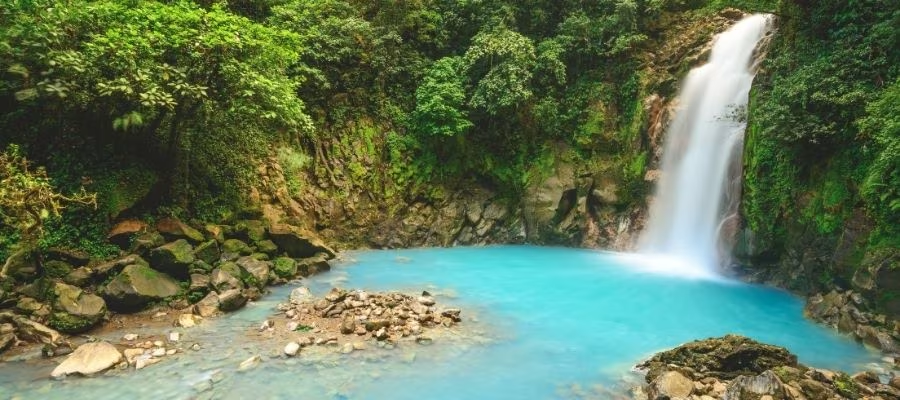
Ever heard of a river that looks like it’s been dyed with blue Gatorade? Well, welcome to Río Celeste, Costa Rica’s most surreal natural wonder. Tucked inside Tenorio Volcano National Park, this river owes its iconic turquoise glow to a rare mix of volcanic minerals and optical magic. No filters, no Photoshop, it’s the real deal.
In this guide, I’ll walk you through everything you need to know to plan your visit to Río Celeste:
how to get there,
when to go,
how difficult the hike is,
what you absolutely must not miss,
and a bunch of personal tips from someone who’s done it twice (in dry and rainy seasons).
By the end, you'll know whether it’s worth a day trip or an overnight, what gear to pack, and how to avoid the crowds. Spoiler: the early bird sees the bluest river.
What is Río Celeste and why is it blue?
This isn’t your average river. Río Celeste is the kind of place that makes you question everything you know about nature.
The magic happens at a spot called El Teñidero, where two crystal-clear rivers (Quebrada Agria and Río Buena Vista) meet. When they mix, aluminum and sulfur react with the volcanic environment and reflect sunlight in a way that creates a neon-like turquoise color. It’s a natural optical illusion that’s totally mind-blowing in person.
Locals say God washed his paintbrushes here after coloring the sky. Honestly, once you see it, that theory sounds pretty solid.
How to get to Río Celeste
Location: Tenorio Volcano National Park, northern Costa Rica, between Liberia and La Fortuna
By car: It’s a 2h30 drive from Liberia or La Fortuna. You’ll need a 4WD or SUV, especially in the rainy season, the last stretch of road can get muddy and bumpy.
By bus: Public transport options are limited and require multiple transfers. Not recommended unless you love logistical puzzles.
Parking: There’s a private lot just outside the park entrance ($2-3 USD). Arrive early, it fills up fast after 9 am.
Pro tip: Renting a 4WD from Liberia Airport and combining Río Celeste with a trip to Bijagua or Tenorio is one of the best road trip loops you can do in the region. Bring snacks, gas up, and download your maps in advance, signal is spotty in the park area.

What to expect on the trail
So, you’ve parked your rental car, checked in at the ranger station, grabbed your ticket, and passed the entrance. Now what? The Río Celeste trail is a loop-style out-and-back hike inside Tenorio Volcano National Park, stretching around 3.7 miles (6 km) round-trip. Depending on the weather and your pace, it’ll take 2 to 3 hours to complete. And trust me, every step is worth it.
Here’s what the trail actually looks like:
Start: well-marked and easy. You begin on a gravel path, shaded by tall rainforest trees and lined with wild ginger, ferns, and the occasional howler monkey calling from above.
First wow moment: Catarata Río Celeste. About 20 minutes in, you’ll reach a steep staircase (around 250 steps) that leads to the famous waterfall. And yes, it really is that blue. Go early for the best light and fewer people.

Middle section: jungle immersion. As you continue, the path gets a bit more rugged. Expect mud, roots, and rocks, especially in the rainy season. There are wooden footbridges, vine-covered trees, and plenty of birdsong. You’ll feel like you’re on the set of Jumanji, in a good way.
Next stop: Laguna Azul (Blue Lagoon). A calm, surreal pool where the water turns a milky turquoise. No swimming allowed, but it’s perfect for photos and a quick water break.
Borbollones (Bubbling Hot Springs). You'll literally see the earth breathe. Steam rises from natural vents in the riverbed, and you can smell the sulfur. It’s a reminder that you're walking on volcanic terrain.
The end point: El Teñidero. This is where two colorless rivers meet and suddenly, turn bright blue. It’s science, it’s magic, it’s weirdly mesmerizing.
When I hiked it last February, the weather was dry but still humid. My shoes were coated in a layer of clay-like mud within the first hour, and I saw at least three people slip (wear proper shoes, folks). But I also spotted a sloth, heard toucans squawking overhead, and watched a blue morpho butterfly flutter across the waterfall. It was wild, beautiful, and totally worth the mud.
Tips for the hike:
Wear good hiking shoes or waterproof trail runners. The mud here is LEGENDARY.
Entry fee is $12 for foreigners, plus tax.
No swimming allowed, it’s a national park.
Bring a rain jacket even in dry season. It’s Costa Rica, after all.
Bring water and a snack. There’s no food sold inside the park.
Stay on the trail. This is rainforest. It’s home to snakes, insects, and fragile ecosystems

Best time to visit Río Celeste
While Río Celeste is open year-round, timing your visit can make or break your experience, especially if you're chasing that Instagram-famous electric blue color.
Here’s when to go:
Dry season (Dec-April): Best chance of clear skies, less mud, and that intense turquoise color. Weekdays = fewer crowds.
Rainy season (May-Nov): The river can turn cloudy brown during heavy rain, but the jungle is at its lushest. Go early in the morning for better weather windows.
Time of day: Arrive at the park gate by 8:00 AM to beat the crowds and see the waterfall with good light. The blue hue is brightest when the sun is out.
I once visited in mid-June after a downpour, and the river looked like chocolate milk. Came back in February? Pure magic. Lesson learned.

Where to stay near Río Celeste
There’s no lodging inside Tenorio Volcano National Park, but you’ll find plenty of great options in nearby villages like Bijagua and Katira.
Top choices for travelers:
Casitas Tenorio B&B (Bijagua): eco-lodges in the forest, with homemade breakfast and sloths in the trees.
Celeste Mountain Lodge: mid-range, all meals included, with killer volcano views.
Cabinas Piuri: budget-friendly and walking distance to the park.
If you're driving from La Fortuna or Liberia, it's doable as a day trip, but staying overnight lets you explore more calmly and spot wildlife in the early morning hours.
What else to do near Río Celeste
Río Celeste is a showstopper, but the surrounding area is full of low-key gems that most tourists miss. If you're staying nearby, don’t rush out.
Here’s what else is worth checking out:
Frog’s Paradise Night Tour (Bijagua): A guided walk through private rainforest where you’ll spot glass frogs, tree frogs, and tons of nocturnal creatures.
Tapir Valley Nature Reserve: Pristine forest, rare birds, and maybe even a tapir if you're lucky. Quiet, uncrowded, and magical.
Tubing or rafting on Río Corobicí: Fun, mellow rapids just an hour away.
Local chocolate & coffee tours: Super authentic and usually run by small family farms.
Tenorio Volcano viewpoint: If weather permits, the view is stunning, but it’s often cloud-covered.

FAQ : everything travelers want to know
Is Río Celeste really that blue? Yes, but only under the right conditions. Visit in dry season and avoid visiting after heavy rain.
How long does the hike take? Allow 2.5 to 3 hours total, including time to stop for photos and explore all the points.
Is the hike kid-friendly? Yes, for active kids 6+, especially during dry months. There are steps and muddy sections, though.
Can you swim in Río Celeste? Not inside the national park. Swimming is strictly prohibited to protect the fragile environment.
What should I bring? Hiking shoes or sturdy sneakers, water and snacks, rain jacket, bug spray, dry bag for your electronics, a charged phone for pictures (no drones allowed).
Is it worth the detour? Absolutely. Even if you’re only in Guanacaste or La Fortuna for a few days, carving out time for Río Celeste is 100% worth it.
Final thoughts + why renting a car is a game changer
Visiting Río Celeste is like stepping into a dream, but it’s not on the typical tourist highway. To do it right (and avoid long transfers or expensive private tours), the best move is to rent a car.
With your own wheels, you can:
Leave early and beat the crowds
Combine Río Celeste with nearby stops like Bijagua, Lake Arenal, or Llano de Cortés waterfall
Stay overnight in small ecolodges that are totally off the beaten track
Pro tip: Rent a 4WD or SUV from Liberia or San José Airport. It’ll give you access to spots most tourists never reach, and way less stress if it rains.