
Top 10 Costa Rica National Parks to Explore
Costa Rica is home to some of the most spectacular national parks on the planet, and choosing where to go can feel pretty overwhelming, especially if you’re planning a self-guided trip. Should you chase volcano views, look for sloths in the jungle, or spend a day hopping between pristine beaches? In this guide, I’ll help you find the perfect mix.
Costa Rica boasts a few dozen national parks and protected areas, reflecting its strong commitment to conservation and environmental protection.
Below, you’ll find the best parks to visit in 2026, broken down by interests and regions, with real-world tips on logistics: online reservations (yes, you’ll need them for some parks), typical entrance fees, trail difficulty, peak hours, and what kind of wildlife you can expect to see. I keep it real, practical and traveler-friendly, without the sales pitch.
So grab your hiking shoes, sunscreen, and a curious spirit. Let’s plan your national park adventure like someone who’s actually been there, because… well, I have. Discover Costa Rica's unique natural features and ongoing conservation efforts as you explore these incredible destinations.
How to choose the right parks in 2026
By interest
1. Wildlife lovers
If spotting wildlife is your top priority, these parks deliver big time.
Corcovado National Park: The best place in Costa Rica for wildlife lovers, with pristine lowland tropical rainforest, scarlet macaws, monkeys everywhere, and the chance to spot a Baird’s tapir or even a puma. Trails feel wild and remote, especially around the Sirena Ranger Station. Go early morning or late afternoon for the most wildlife activity, wear breathable clothes, and bring plenty of water, Corcovado is intense, but unforgettable.
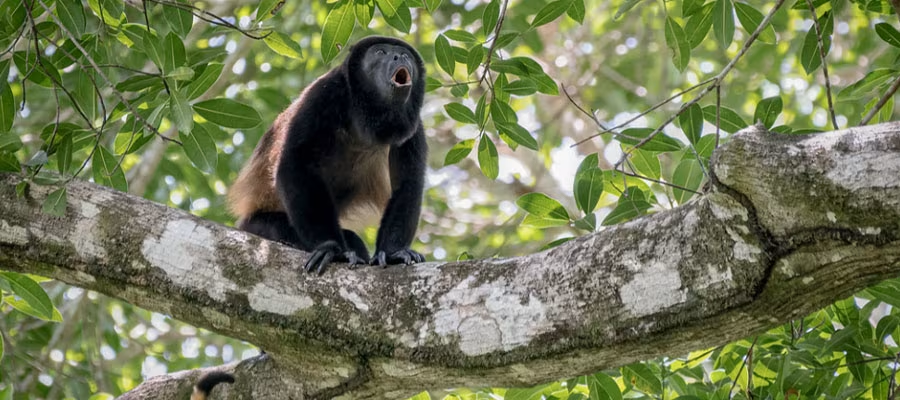
Tortuguero National Park: Expect a lush jungle environment with jungle canals, caimans gliding through the water, and howler monkeys calling at sunrise. Canoe tours are incredible here, but if you want a budget-friendly option, you can also rent a kayak and paddle at your own pace, just keep an eye on currents and boats. Turtle nesting season is magical; bring a light jacket, nights can get breezy on the Caribbean side.
Carara National Park: Often overlooked, yet one of the best bird-watching parks. Scarlet macaws, toucans, and if you listen quietly, you might hear the rustle of iguanas in the leaves. The boardwalk makes it accessible, and trails are well-shaded. Perfect for families or travelers who want wildlife without strenuous hiking.

2. Volcano fans and geology geeks
Costa Rica’s volcano parks are about drama and geology layered with steam vents, crater rims and mineral-rich rivers. These parks are important protected areas, preserving unique volcanic landscapes and biodiversity.
Poás Volcano: Timed entry only, and clouds move fast. Book early, go early, and check the forecast. Last entry is earlier than most expect, so don’t try to squeeze this between other plans. Bring a light jacket, it gets chilly. The park offers picnic tables and wheelchair access, making it convenient and inclusive for all visitors.
Irazú Volcano National Park: As the highest volcano in Costa Rica, Irazú Volcano National Park features an accessible crater with panoramic views. Its proximity to San José makes it a popular day-trip destination, and the park is known for its historical eruption in 1963.
Arenal Volcano: Iconic cone shape, lava-flow trails, hot springs nearby. Easy trails, great for families, and tons of activities around town. I once ended a hike here with a dip in a public hot river at sunset. Pure magic.
Rincón de la Vieja: Think mud pots, steam vents and waterfalls. Trails vary from easy loops to longer waterfall hikes. Shoes with grip matter here, especially after rain. Expect to get sweaty, dusty and totally thrilled.
Turrialba Volcano: Less touristy and getting more attention lately. Best for travelers who love off-the-beaten-path landscapes. Roads can get rough, so double-check rental car recommendations if you’re going without a guide.
Guanacaste National Park is another protected area with volcanic features, rich biodiversity, and nearby luxury lodges for those seeking an upscale ecotourism experience.


Beach explorers and snorkel lovers
Manuel Antonio National Park: Wildlife, palm-lined beaches, warm water, and lush jungle surroundings on the Pacific coast. It’s popular for a reason. Go early, bring snacks (no food sold inside), and keep your bag closed; raccoons here have PhD-level skills in theft.
Cahuita National Park: Coastal jungle trail with monkeys overhead and affordable snorkeling. The park features a vibrant coral reef, making it a top spot for snorkeling and exploring Costa Rica’s marine biodiversity. Entrance is donation-based, so bring cash. Flat, easy trail, super family-friendly. The coastal rainforest borders the beaches, seamlessly blending tropical woodland with sandy shores.
Marino Ballena National Park: The famous whale-tail sand bar on the Pacific coast. Visit during low tide, and bring reef-safe sunscreen. It gets sunny and exposed, so hat and water are must-haves. Great beach walks, gorgeous sunsets. This park is also known for the opportunity to see humpback whales during their migration season.
These parks are part of Costa Rica’s extensive network of protected areas, preserving unique ecosystems and supporting ecotourism.

Best for families and easy trails
If you’re traveling with kids or want an easy pace, these parks are solid picks.
Arenal Volcano for accessible trails and plenty of amenities, including picnic tables for family breaks
Tenorio / Río Celeste for that unreal blue water (can be muddy after rain), and as a protected area, it offers well-maintained paths and facilities
Cahuita for flat trails and easy wildlife viewing in a protected area
Kids love the blue river at Tenorio and monkeys in Cahuita. Just watch your snacks, monkeys will try to share… aggressively.
Families may also enjoy visiting a private reserve nearby for guided experiences and additional amenities.

Insider tip of the section
Some parks now require online reservations before arrival. Always check ahead, bring your passport details, and plan for card payments online. Screenshots of your booking help, cell service can be patchy at entrances.
Mini-FAQ for choosing parks
Do I need online tickets for all parks? No, but parks like Manuel Antonio and Poás typically require them. Book early.
Can I explore alone or do I need a guide? Most parks allow self-guided visits, but in remote areas like Corcovado, guides or permits may be required or strongly recommended.
Do I need a 4x4? Not always, but for places like Rincón de la Vieja or Turrialba, it makes things easier and safer.
Best time to see wildlife? Early morning or late afternoon. Bring binoculars if you can.
Top 10 national parks to visit in Costa Rica in 2026
Below are the parks I recommend most for a self-guided adventure in 2026. Costa Rica's national parks offer an incredible diversity of landscapes and wildlife, forming a vital network of protected areas that are essential to the country's conservation efforts. For each one, you’ll get a clear idea of what to expect, the vibe, how to plan, and a few personal moments from the trail.
Note: most national parks in Costa Rica cost around 10 to 18 USD per adult. Some require online reservations. Always bring your passport number, water, sun protection and closed-toe shoes for trails.
1. Manuel Antonio National Park
Best for: iconic beaches, super reliable wildlife, easy trails, great for first-timers.
Manuel Antonio is one of those parks that people love to debate. Yes, it gets busy. Yes, there are raccoons with master thief energy. But the combo of turquoise water, jungle paths and sloth sightings is unbeatable for a first-timer. Most visitors come to Manuel Antonio primarily for the beaches, but the park also features lowland tropical rainforest, making it a unique spot for both relaxation and nature. I once watched a baby sloth learning to climb here; slowest and cutest thing ever. Manuel Antonio is where Costa Rica’s jungle meets the kind of beaches you daydream about in February. The trails are short and shaded, the water is warm, and wildlife is everywhere.
What I love here: playful capuchin monkeys, quiet little beaches if you walk deeper into the park, easy trails that work for families and first-timers, and incredible wildlife watching opportunities.
Plan it right:
Online reservation required
No food for sale inside, snacks must be sealed
Beach stuff is allowed but keep your bag zipped tight
If you want calmer vibes, head to the longer Punta Catedral trail. Great viewpoints, far fewer crowds.
Practical info:
Entrance: ~18 USD (book online)
Hours: 7 am - 3 pm (closed Tuesdays)
Time needed: 3-5 hours
Difficulty: easy
Best for: families, first-timers, beach lovers
Access: paved roads, no 4×4 needed
Local tip: arrive at opening time and walk to Playa Gemelas to escape crowds
Distances: San José (SJO) → 2h45 ; Liberia (LIR) → ~4h30 ; Quepos Airport → 15 min
Protected area: Manuel Antonio is a designated protected area, helping conserve its unique ecosystems and biodiversity.

2. Poás Volcano National Park
Why go: one of the easiest active volcano craters to view in the world.
A steaming crater lake, sulfur clouds swirling, and a wind that reminds you volcanoes don’t care about your hairstyle. Poás Volcano National Park is dramatic in the best way. I once had the crater completely clear for two minutes before clouds swallowed it whole. Those two minutes felt unreal. Poás is all about timing. Cloud cover can wipe out the view in seconds. I once arrived at 8 am to perfectly clear skies and fifteen minutes later… pure whiteout. It happens. That is part of the thrill.
Plan it right:
Timed entry required
Book early, bring screenshot of ticket
Go early morning, or you gamble with clouds
Jacket recommended, it can be chilly
Quick stop style park: 1 to 2 hours max.
Practical info:
Entrance: ~15 USD (online booking required)
Hours: 7 am - 4 pm (last entry 2 pm!)
Time needed: 1-2 hours
Difficulty: super easy walk
Bring: jacket, booking screenshot
Tip: morning or forget visibility
Distances: SJO → 1h30; LIR → 3h30
The park offers wheelchair access on main routes and has picnic tables available for visitors.
As a protected area, Poás Volcano National Park is surrounded by nature and there are luxury lodges nearby for those seeking an upscale stay.

3. Arenal Volcano National Park
Why go: volcano, wildlife, hot springs, tons of activities in La Fortuna.
Arenal Volcano National Park is Costa Rica’s superstar. Perfect volcano shape, lush rainforest, hot springs everywhere. On my last visit, I watched toucans right from the trail, then soaked in a natural thermal river after hiking. Hard to beat. Trails are easy, well-marked, and perfect if you’re traveling with family. I love ending the day in one of the hot rivers around town, hair still full of jungle humidity, just letting the warmth wash away hiking dust. Simple joy.
Tips:
Great for self-guided visits
Combine with La Fortuna waterfall or hot springs
Comfortable sneakers are fine
Trails: 1 to 2 hours each
Bring bug spray and water, it gets sticky in the rainforest.
Practical info:
Entrance: ~15 USD
Hours: 8 am - 4 pm
Time needed: 2-4 hours
Difficulty: easy-moderate
Highlight: lava-flow trail + viewpoints
Nearby: La Fortuna waterfall, hot rivers
Distances: SJO → ~3h ; LIR → ~2h45
Arenal is a protected area, recognized for its conservation of rainforest and volcanic landscapes.
Luxury lodges are available near the park, offering upscale stays surrounded by nature.

4. Rincón de la Vieja National Park
Why go: surreal volcanic activity + epic waterfalls.
Rincón de la Vieja National Park feels like Earth before humans. Boiling mud, sulfur vents steaming from the ground, volcanic rivers. On my last visit, a troop of curious white-faced monkeys watched me from a tree while I tied my shoelace. They looked like they were judging my knot technique.
Tips:
Bring plenty of water, it gets hot
Trails vary from easy loops to longer waterfall hikes
Shoes with traction help a lot
Mud pots area sometimes closes after heavy rain
Reward yourself with a cold coconut after. Perfection.
Practical info
Entrance: ~17 USD
Hours: 7 or 8 am - 3 pm
Time needed: 3-5 hours
Difficulty: easy-moderate
Recommended: hiking boots, plenty of water
Tip: Las Pailas loop is the star
Distances: LIR → 1h30 ; SJO → ~4h30
Rincón de la Vieja is a protected area, recognized for its conservation of unique volcanic landscapes and biodiversity.
Luxury lodges are available near the park, offering upscale accommodations for those seeking an exclusive experience.

5. Tenorio Volcano National Park (Río Celeste)
Why go: the blue waterfall and “chemical alchemy” river.
The river in Tenorio Volcano National Park is so turquoise it looks fake. The Rio Celeste waterfall, a visually stunning highlight of the park, is famous for its unique blue color caused by the confluence of minerals. And when you see the exact point where two clear streams meet and turn electric blue, the science-nerd moment hits. I’ve seen dozens of waterfalls; this one still made me gasp. The trail can get muddy, but when you reach that vibrant waterfall, you forget everything else. I slipped once on a wet rock and proudly saved my camera. Worth it.
Tips:
Go early for fewer crowds
Trail gets muddy, bring shoes you do not baby
Swimming not allowed inside the park
Nearby hot springs and farm lunches are fantastic after the hike.
Practical info
Entrance: ~12 USD
Hours: 8 am - 4 pm (last entry ~2pm)
Time needed: 3-4 hours
Difficulty: moderate, muddy when wet
Tip: wear shoes you don’t mind destroying
Distances: LIR → 1h45 ; SJO → 3h30
Tenorio is a protected area, helping to conserve Costa Rica’s unique biodiversity.
Luxury lodges are available near the park for those seeking an upscale stay in the rainforest.

6. Tortuguero National Park
Why go: turtles, crocodiles, canals, wildlife everywhere.
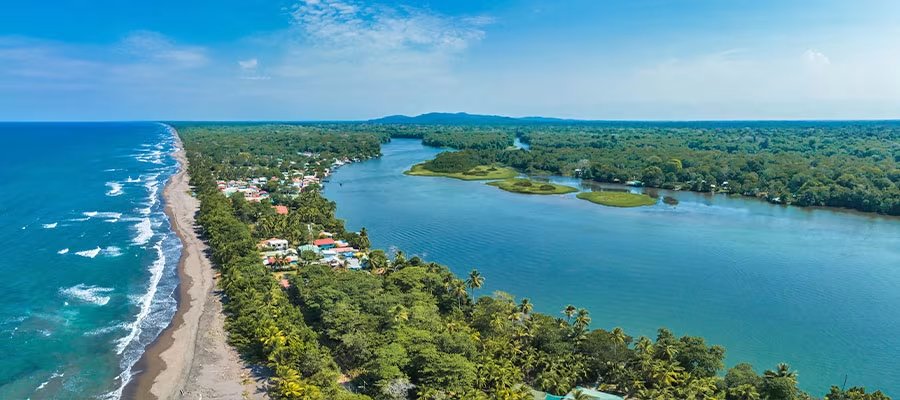
Tortuguero is not a road trip park; it’s a canoe-through-the-Amazon vibe. I once drifted through a misty canal at sunrise and watched a caiman glide right beside us while howler monkeys roared in the trees. You don’t forget mornings like that.
Tips:
Boat or canoe tour highly recommended
Bring a light rain jacket
Best turtle season: roughly July to October
Expect humidity like you have never met before
Slow down here. The Caribbean calm hits different.
Practical info:
Entrance: ~17 USD
Hours: 6 am - 3 pm
Time needed: Full day (best by tour + walking trail)
Difficulty: easy
Tip: canoe at sunrise + night turtle tour (seasonal)
Access: Boat only from La Pavona or Moín, no cars in town
Distances: SJO → ~3h drive + boat ; LIR → ~4h30 drive + boat
Tortuguero is a renowned protected area, famous for its biodiversity and conservation efforts.
For those seeking upscale comfort, several luxury lodges are available near the park, offering exclusive stays in the heart of the rainforest.

7. Corcovado National Park
Why go: the wildest, most biodiverse park in the country.
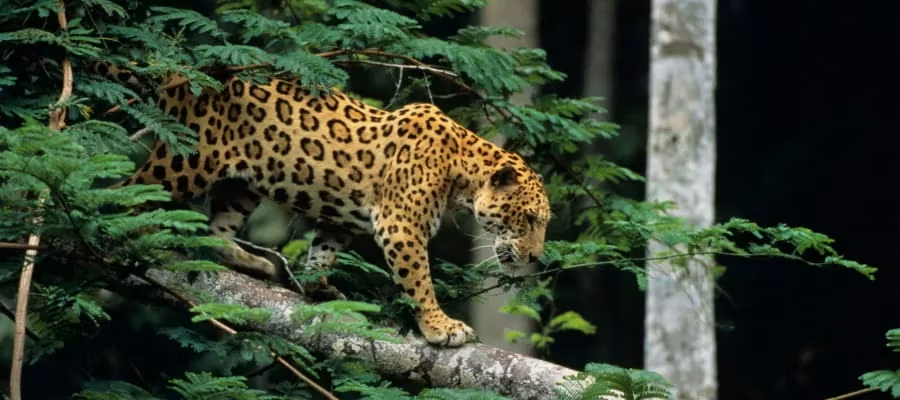
If you want a story to tell for life, Corcovado National Park is the one. Located on the Osa Peninsula in Costa Rica's southern zone, this rugged destination is renowned for its extensive lowland rainforests and evergreen forests. National Geographic has called Corcovado "the most biologically intense place on Earth," highlighting its global significance as a protected area preserving a remarkable portion of the world's biodiversity. Wild trails wind through lush jungle, offering an immersive experience as you explore the vibrant forest floor. The Sirena Ranger Station serves as a main access point for visitors, and Baird's tapir (one of the most elusive and significant species) can be found here, along with macaws flying overhead and maybe a big cat trace in the mud. I once saw coatis digging and a tapir casually crossing the path like it owned the place. It probably does.
Tips:
Very remote, can be hot and intense
Some sectors require guides or permits
Bring water, snacks and sun protection
Worth the effort for wildlife lovers, wildlife watching is a must here
Not a casual park. A life-changer.
Practical info:
Entrance: ~15 USD + guide fees in many sectors
Time needed: 1-3 days
Difficulty: moderate-hard
Tip: Sirena sector = wildlife gold mine
Bring: water, snacks, sun protection
Distances (via Drake Bay or Puerto Jiménez): SJO → flight 45 min / drive 6-7h + boat ; LIR → 7-8h drive
8. Cahuita National Park
Why go: easy trail, beach + wildlife combo, donation entry.
Cahuita is the easiest, breeziest national park on this list. Cahuita is chill jungle vibes with Caribbean warmth, surrounded by lush jungle and vibrant coastal rainforest that borders the beaches. The park is famous for its vibrant coral reef, offering excellent snorkeling opportunities and showcasing Costa Rica’s marine biodiversity. Palm-shaded trail along the coast, monkeys in the canopy, ocean breeze. I once shared a spot on the sand with a raccoon who politely, but firmly, stared at my granola bar.
Tips:
Entrance donation based, bring cash
Flat trail good for families
Snorkeling best with calm seas
Bring water, the sun reflects off sand
Stay after your hike for a plate of rice and beans in town.
Practical info:
Entrance: donation based for Playa Blanca, 5 USD for Puerto Vargas
Hours: 8 am - 4 pm
Time needed: 2-4 hours
Difficulty: easy
Tip: snorkel with calm seas, watch for raccoon ninjas
Distances: SJO → 4h30; Limon Airport → 1h
Protected area: Cahuita is a protected area, preserving its unique ecosystems and biodiversity.

9. Marino Ballena National Park
Best for: beach walks and whale watching
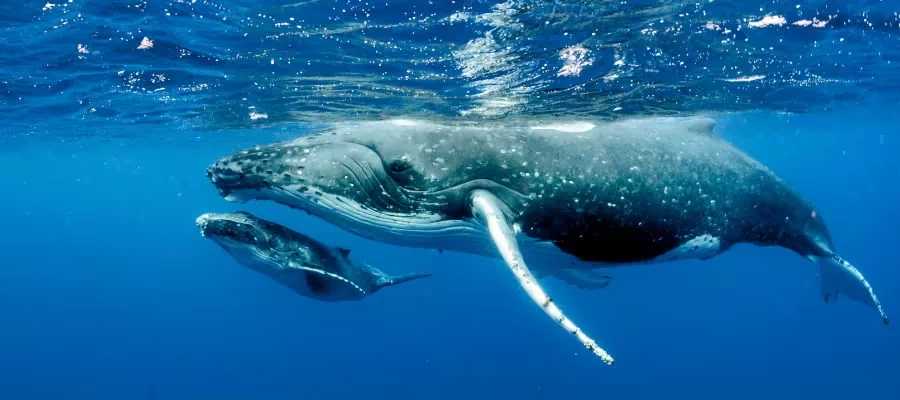
Marino Ballena National Park, located on Costa Rica's Pacific coast, gives you the iconic Whale Tail sandbar. You walk on it at low tide, and it truly feels special. I walked barefoot here once, ocean on both sides, and it felt like nature rolled out a runway just for me. One sunset here felt like nature staged a private show. During migration season, you can spot humpback whales just offshore, making this park a top destination for wildlife enthusiasts.
Tips:
Visit at low tide
Bring hat, sunscreen, lots of water
Fantastic sunsets
Good for couples and quiet beach mornings
Whale watching season here can be incredible.
Practical info
Entrance: ~6 USD
Hours: 7 am - 4 pm
Time needed: 2-4 hours
Difficulty: easy
Tip: check tide charts; go at low tide
Distances: SJO → 3h30; Quepos Airport → 1h15
Marino Ballena is a protected area, helping conserve Costa Rica’s unique coastal and marine habitats.

10. Santa Rosa National Park
Why go: dry forest wildlife + surf culture roots.
Santa Rosa National Park is wild in a quieter, more rugged way. Alongside its unique dry forest, the park also features evergreen forests that provide lush, year-round greenery and support a rich variety of flora and fauna. Expect big trees, wide trails and distant surf sounds if you head toward Witches Rock. Great off-the-main-route stop if you’re exploring Guanacaste.
Tips:
Can feel remote, bring supplies
Wildlife sightings vary, mornings best
Good roads most of the way, check conditions if rainy
Perfect if you like mixing history, nature and surf culture.
Practical info
Entrance: ~15 USD
Hours: 8 am - 4 pm
Time needed: 2-4 hours
Difficulty: easy-moderate
Tip: go early for wildlife
Distances: LIR → 1h15 ; SJO → 5h
Santa Rosa is a protected area, recognized for its conservation of diverse ecosystems.

Bonus pick: Monteverde Cloud Forest Reserve (not a national park, but absolutely worth it)
Okay, confession time. Monteverde is not technically a national park, which is why it didn’t make the official Top 10 list. But if you’re dreaming of misty forests, hanging bridges lost in the clouds and the chance to spot the iconic resplendent quetzal, you should absolutely add it to your itinerary. Walking through Monteverde feels like stepping into another world, where the air is cooler, the moss hangs thick from giant trees, and every branch holds a surprise. One morning here, I watched a quetzal hop through the canopy like it was performing just for us. Pure magic. Monteverde sits atop the continental divide, giving it unique ecological significance and panoramic views over both the Caribbean and Pacific slopes. For a different perspective, consider joining one of the guided night hikes to experience the reserve’s nocturnal wildlife and the mysterious atmosphere after dark.
Why go: cloud forest ecosystem, amazing birdlife, elevated walkways, night tours full of surprises, fresh mountain air that feels like a reset button. Tips: go early for quetzals, book a night tour, bring a rain jacket even if the sky looks friendly, and don’t rush the hanging bridges. Wildlife watching is a highlight here, so bring binoculars and take your time. Enjoy the slower, dreamlike vibe up here.
Not a national park, yes. A must-see if you love nature? Absolutely.

Practical info
Entrance: ~26 USD (Monteverde Reserve) / ~18 USD (Santa Elena Reserve)
Hours: ~7 am - 4 pm (varies by reserve)
Time needed: 3-5 hours
Difficulty: easy-moderate (some stairs, humidity)
Best for: nature lovers, birdwatchers, photographers, cool-climate explorers
Top experiences: quetzal sightings at sunrise, hanging bridges, night tours
Tip: hire a guide early morning for best wildlife spotting, then explore solo
Distances: an José (SJO) → 2h45 - 3h30; Liberia (LIR) → ~2h30; La Fortuna → ~3h via lake road
Monteverde is a renowned protected area, celebrated for its biodiversity and conservation efforts. If you want a more exclusive experience, you may also enjoy visiting a private reserve in the area.

Quick choosing tip
If you want beginner-friendly and iconic: Arenal + Manuel Antonio
If you want wild and unforgettable: Corcovado + Tortuguero
If you want variety in one region: Rincón + Tenorio (Guanacaste)
Tickets, fees and reservations in 2026
Costa Rica’s park system has changed a bit in recent years, and in 2026, planning ahead matters more than ever. Most parks are super easy to enter, pay at the gate and go explore, but a few require online reservations and timed entry windows. Be sure to check park entrance requirements and procedures in advance, including information about entrance fees, available facilities, and any amenities at the entry point. Take two minutes to plan, and you’ll thank yourself at the entrance.
Costa Rica is renowned for its extensive network of protected areas, including national parks, biological reserves, and wildlife refuges.
Which parks require online reservations
As of 2026, expect online tickets for popular and sensitive sites like Manuel Antonio and Poás Volcano. This helps control crowds and protect wildlife, and honestly, it keeps trails nicer. Nothing ruins a rainforest walk like a traffic jam of flip-flops and selfie sticks.
Pro tips:
Book a few days ahead in high season
Have your passport number ready
Screenshot your ticket, cell service can drop near entrances
Use a credit card for online payments
Arrive at the start of your time window
If you are renting a car, factor in parking and walk-in time
I learned the hard way once: sat outside Poás refreshing my booking email because the cell signal vanished right at the gate. Screenshot everything. Trust me.
Typical fees
Most Costa Rica national parks cost 10 to 18 USD per adult.Kids often pay less, some parks are donation-based (hello, Cahuita). Card payment is standard, cash is sometimes not accepted.
A few parks offer combined passes or sector-specific fees. If you're visiting multiple parks near La Fortuna or Guanacaste, keeping your receipts handy helps with questions at checkpoints.

Hours and entry windows
Most parks open 7 am to 4 pm, but always check specifics.Volcano parks in particular have early last entries, because afternoon cloud cover is a real mood-breaker and safety matter.
If you love wildlife photography or just enjoy peace and cool air, arrive at opening. I've walked into Manuel Antonio at 7 am with only birds and one sleepy raccoon for company. Two hours later, it was beach-towel bingo.
Vehicle access and parking
You rarely need a 4x4 rental for the main tourist parks, but it helps for places like Rincón de la Vieja, Turrialba and some Corcovado access points. Parking is usually close to entrances; bring a few dollars for lots near busy parks. At the park entrance, you’ll typically find basic facilities such as restrooms, ticket booths for entrance fees, and sometimes small shops or information centers. Friendly attendants will often “keep an eye” on your car. It’s casual but normal here.

Weather and closures
Rain can shut trails down, especially around rivers and volcanic areas. During the wet season, heavy rainfall can make trails slippery and lead to temporary park closures. Muddy trails at Tenorio or Rincón are part of the experience, but be safe. If guards say a trail is closed, listen. I once watched someone argue with a ranger during a thunderstorm. Spoiler: the rain won.

Practical planning tips for a smooth visit
Pack smart
Reusable water bottle
Sunscreen (reef-safe for coastal parks)
Bug spray
Light rain jacket (Caribbean side = surprise showers)
Sneakers with grip, hiking shoes optional but helpful
Snacks if allowed, bag sealed (monkeys are… bold)
Timing your visit
Dry season runs December to April, but don’t fear the rainy months. Mornings are often sunny even in green season, and wildlife loves humidity. Early morning arrivals always win. Cooler air, better photos, quieter trails.
Safety notes
Costa Rica parks are safe, but nature has personality. Stay on marked trails, don’t feed animals, this is the kind of thing that’s forbidden in Costa Rica., and give snakes and coatis space. If you see a tapir, do not try to pet it, no matter how chill it looks. Tapirs do not share that affection.
And please, no drones unless explicitly allowed. It stresses wildlife and usually earns you a polite scolding from rangers.
Navigation
Trail maps are often posted at entrances. Download offline maps if you like extra security, but most trails are well-marked. Follow signs, and if you forget your exit, just follow the people with beach towels.
Budget notes
Costa Rica parks are a great value. The real cost usually comes from parking, fuel, and those fresh coconuts you impulsively buy after hiking trails. No regrets there, though. Hydration tastes better when served by a guy with a machete.
Mini-FAQ about tickets and logistics
Do all parks require advance booking? No. Only a few popular ones. Manuel Antonio National Park and Poás National park are the main ones.
Do I need my passport? Yes. For online bookings, your passport number is required. Bring a photo or the real thing.
Can I pay cash? Some places, yes, but many take only card for entry fees. Bring a card to avoid drama.
Can I visit multiple parks in one day? Sometimes. Poás is quick and pairs well with coffee farms. Manuel Antonio deserves a full morning.
Is parking safe? Usually yes, but don’t leave valuables visible. Same logic as anywhere in the world.
Driving and safety tips for self-guided park visits
Renting a car is hands-down the best way to explore Costa Rica’s national parks independently. You move at your own pace, stop when you want, and chase wildlife sightings or clear volcano views whenever conditions are perfect. Just a little preparation makes the experience smoother and safer.
Road conditions and car choice
Most parks are accessible with a 2WD, especially if you stay on main routes. That said, a 4×4 is a smart upgrade if you plan to visit volcanic areas like Rincón de la Vieja, remote Pacific beaches, or access points near Corcovado National Park. Dirt roads can turn muddy fast after rain, and having traction takes the stress level way down.
I once drove to Tenorio after an afternoon downpour and felt like I was starring in an off-brand jungle rally. The people in the compact car behind me turned around halfway through and waved like they just escaped a plot twist.

Navigation and driving style
Download offline maps before you leave. Waze and Google Maps work great here, but cell signal drops in mountain zones and coastal pockets. Drive slow, especially around small towns where dogs, chickens, and the occasional kid with a soccer ball share the road.
And yes, locals will sometimes pass you confidently on curves. Let them. They grew up here. You did not.
Parking etiquette
Official parking areas near parks usually have attendants. They are typically friendly, keep an eye on your car, and may charge a small fee. Bring a few dollars for this. Lock your car, don’t leave valuables visible, and you’ll be fine. Never leave food inside unless you want to star in a raccoon heist movie later.
Weather awareness
Weather shifts fast. Sun becomes rain in minutes, then back again. On volcano peaks, wind can cut through a t-shirt, so bring a light layer even if you're sweating at sea level. Wet trails are normal. Slippery roots are a lifestyle. Move at your pace and enjoy it.
Respect the wildlife (and your snacks)
You’ll meet curious coatis, monkeys, iguanas, maybe a raccoon celebrity or two. Do not feed them, this is the kind of thing that’s forbidden in Costa Rica . They know what snacks are, and they're not shy. I once turned my back on a backpack for 15 seconds and came back to find a monkey holding my banana like it paid for it.
Rule of thumb: sealed food, bag zipped, quick reflexes.
Map guidance and park spacing
Costa Rica looks tiny, but distances can surprise you. Roads curve, bridges are single-lane, and driving isn’t about speed here, it’s about pura vida pace.
San José to Arenal Volcano National Park: about 3 hours
La Fortuna to Tenorio: about 1.5 hours
Arenal to Rincón de la Vieja: 3 to 3.5 hours
Manuel Antonio National Park to Marino Ballena: about 1 hour
San José to Poás: 1.5 hours
Caribbean coast (Cahuita, Tortuguero National Park access): 3.5 to 4.5 hours from San José
If you want to hit multiple parks, cluster them by region so you are not driving all day. Save your energy for waterfalls and jungle trails, not highway miles.

Suggested itineraries
Classic volcano and rainforest week (7 days)
Perfect for first-timers who want the highlights without rushing.
Day 1: San José to Arenal
Day 2: Arenal Volcano trails + hot springs
Day 3: La Fortuna waterfall + night wildlife walk
Day 4: Drive to Tenorio, hike Río Celeste
Day 5: Drive to Rincón de la Vieja, volcano mud pots
Day 6: Waterfall hike or beach day in Guanacaste
Day 7: Return to San José
Great combo of volcanoes, jungle wildlife and waterfalls, plus one chill day.
Beaches and wildlife coast combo (7-8 days)
For ocean lovers and wildlife spotters.
San José to Tortuguero
Tortuguero canoe sunrise + sea turtle watching (seasonal)
Drive or shuttle to Cahuita
Hike coastal trail + snorkel
Continue to Uvita (Marino Ballena)
Beach mornings + sunset hikes
Optional Corcovado day trip if timing fits
Feels immersive, authentic and very wild.
The adventure-meets-comfort loop (10 days)
Good mix if you like comfort hotels + big nature moments.
Arenal
Tenorio
Rincón de la Vieja
Manuel Antonio
Optional extension: Marino Ballena or Carara
Relaxing pace, epic views, plenty of wildlife.
Mini-FAQ for driving and safety
Do I need a 4×4 everywhere? No. But it helps in remote volcanic or coastal zones.
Is driving safe in Costa Rica? Yes, with common sense. Go slow, use GPS, avoid night driving when possible.
Do I need to book car rental early?High season, yes. Good cars go fast.
Can I refill water in parks? Some have refill spots. Always carry a bottle anyway.
Should I worry about wildlife on trails? Stay alert, stay on paths, give animals space. You are the visitor in their home.

Final tips before you go
By now, you probably already feel the jungle humidity through your screen. Visiting Costa Rica’s national parks on your own is honestly one of the best travel decisions you can make. Costa Rica's national parks offer a unique blend of diverse landscapes, rich wildlife, and well-preserved ecosystems, making each visit a special experience. You move at your rhythm, listen to the rustle of leaves without a tour group rushing you, and sometimes end up staring at a sloth for twenty minutes because it feels right. Self-guided travel just hits different here.
A few last reminders before you pack your hiking shoes and your sense of wonder:
Mornings are your best friend. Cooler air, active wildlife, fewer crowds
Bring snacks if allowed, but seal them tightly
Pack a dry bag if you’re going near rivers or on a canoe tour
Weather changes fast, embrace it and laugh when you get soaked
If a ranger gives advice, follow it. They know the land better than Google Maps ever will
If you’re driving, fuel up before remote areas. Gas stations aren’t always where you expect them
And most importantly, take your time. Don’t try to tick every park off your list. Let the country surprise you. Sometimes the best moment of the trip is drinking a coconut in the shade after a muddy hike, shoes off, hair messy, completely content.
Bonus FAQ for park travelers
Do I need a guide for national parks in Costa Rica? Not usually. Some remote areas like Corcovado may require a guide or permit. Self-guided works great for most parks.
When is the best time to visit Costa Rica’s national parks? Dry season is December to April, but wildlife viewing is great year-round. Mornings are best.
Can I visit parks without a car? Yes, with shuttles or guided tours, but a rental car gives you more freedom and saves time.
Is it safe to hike alone? Yes, if you stay on marked trails, check park rules and bring water.
How early should I book park tickets? For busy parks like Manuel Antonio and Poás, book a few days in advance.
Do parks accept credit cards? Most do. Some donation-based ones like Cahuita accept cash for entry.
Are drones allowed? sually not. They disturb wildlife unless special permission is granted.

Final word
Costa Rica delivers nature at its purest, with Costa Rica's renowned biodiversity and commitment to conservation making it a global leader in eco-tourism. Volcano views, misty cloud forests, turquoise rivers, jungle-lined beaches and wildlife that appears when you least expect it. You can make it adventurous, chill, family-friendly, totally wild or a mix of everything. However you explore, treat the parks gently. Leave only footprints. Carry only memories. And always keep your snack bag zipped. The monkeys are watching.