
Things to Do in Cahuita, Costa Rica
Beaches, Wildlife, Snorkeling and the Best Things to Do
If you’re looking for a laid-back Caribbean destination in Costa Rica, Cahuita is one of the easiest places to enjoy beaches, wildlife and reef snorkeling without complicated logistics. Travelers search for “Cahuita Costa Rica” or “things to do in Cahuita” because they want to know what the town is really like, whether Cahuita National Park is worth it, how the coastal trail works and if the snorkeling on the coral reef is as good as people say, and the short answer is yes, especially when the sea is calm.
I still remember walking the first stretch of the trail just after sunrise, spotting a sloth curled up above the path while the sound of waves mixed with howler monkeys in the distance, and honestly, moments like that are what make Cahuita beaches feel so special.
In this guide, we’ll cover everything you need for your visit: what to do in Cahuita, how the national park trail works, when snorkeling conditions are best, the difference between Playa Blanca and Playa Negra, how to get here, whether you need a rental car, a few relaxed day trips and a simple FAQ to help you plan your stay on the Caribbean coast.
Pura vida, let’s get into it.
Where Cahuita is and why it’s worth the trip
Cahuita sits on the southern Caribbean coast of Costa Rica, about 3.5 to 4 hours from San José and just 20 minutes north of Puerto Viejo. It’s a small, easygoing town surrounded by jungle, calm beaches and one of the most accessible national parks in the country. Travelers choose Cahuita when they want nature, wildlife and snorkeling without the crowds or nightlife you find farther south.
What makes the area especially appealing is how simple everything feels. You can walk from your lodge to the entrance of Cahuita National Park, hike along a flat coastal trail, swim at Playa Blanca, grab lunch in town and finish your day relaxing on Playa Negra, all without rushing or driving long distances. For first-timers on the Caribbean side, Cahuita is one of the best bases to ease into the region’s rhythm.
If you enjoy wildlife, quiet beaches, Caribbean culture and a slower pace, Cahuita is absolutely worth adding to your itinerary.

Cahuita National Park: the highlight of the area
Easy coastal hiking and wildlife watching
Cahuita National Park is one of the easiest places in Costa Rica to see wildlife while enjoying a scenic, low-effort hike. The main trail runs along the coast through palm trees, jungle sections and small coves, and it’s almost completely flat. Even if you’re not a big hiker, you can walk part of the trail and still see a ton of animals.
You can spot sloths, howler monkeys, white-faced capuchins, coatis, iguanas, tropical birds and, if you’re lucky, even small snakes resting in tree branches. The mix of jungle and ocean makes the walk feel refreshing, with breeze coming off the water.
There are two entrances:
Kelly Creek (Cahuita town): donation-based and the most convenient if you’re staying in Cahuita.
Puerto Vargas: fixed entrance fee and a quieter section of the park.
Distance: The full trail is about 8 km one way, but most travelers walk the first 2-3 km and turn back.
Difficulty: Easy
Tip: Arrive early, bring plenty of water, and never feed the animals (the monkeys are bold and will try their luck).
One morning I stopped to watch a capuchin monkey crack open a seed pod while a sloth slowly turned its head above me, and for a minute the whole trail felt completely still.

Beaches inside the park: Playa Blanca and more
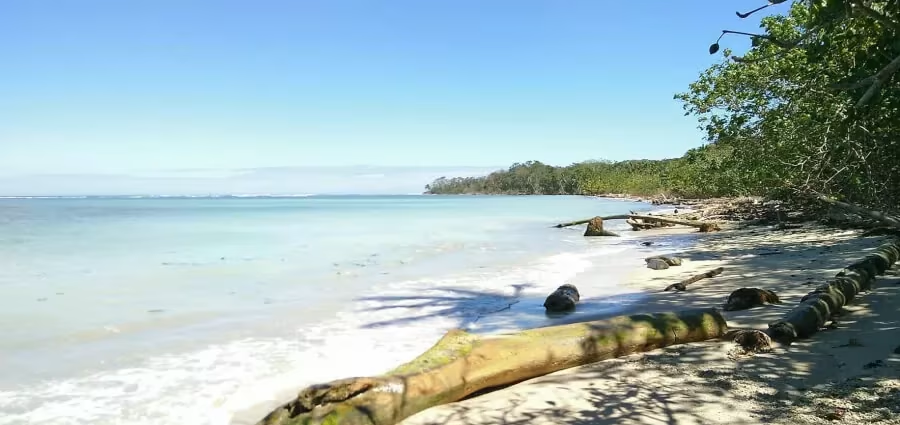
The beaches inside the park are some of the prettiest on the Caribbean coast. Playa Blanca stands out with its bright white sand, turquoise water and palm-fringed shoreline. It’s an amazing place for photos, swimming or just relaxing after walking the trail.
As always on the Caribbean side, currents can vary by day, so swim with caution, especially where the waves break stronger. There are no lifeguards inside the park.
Farther along the trail, you’ll find smaller, quieter coves where you can swim or sit in the shade, and most people spread out, so it rarely feels crowded.

Snorkeling in Cahuita: coral reef and marine life
How snorkeling works in Cahuita National Park
Cahuita is home to one of the best coral reefs on the Caribbean coast of Costa Rica, but because the reef is protected, snorkeling is done only with a certified guide. Tours leave by boat from the town entrance and take you out to the reef near Punta Cahuita, where the water is clearer and the coral formations are healthiest.
You can expect to see tropical fish, brain coral, fan coral, sea cucumbers, turtles, rays and sometimes harmless reef sharks. The visibility depends heavily on the weather and sea conditions, but when it’s good, it’s incredible.
Price: usually 25-45 USD
Duration: 2-3 hours
Tip: Book your tour once you’re in Cahuita, not weeks in advance, so you can choose a day with calm water and good visibility.

Best time and conditions for snorkeling
Snorkeling in Cahuita is very weather-dependent. On the Caribbean coast, the sea can get murky after storms or rough seas. The best conditions usually happen during the “Caribbean summer”, especially September and October, when the ocean becomes flat and crystal clear.
Outside those months, it’s hit or miss, but good days still happen, especially early in the morning.
Tip: If the water looks brown or choppy from shore, visibility will be poor. Ask tour operators for honest daily updates.
Combo tours: snorkeling + hiking
One of the most popular ways to experience the park is a snorkeling + hiking combo tour.These typically include:
a boat ride to the reef
1-1.5 hours of snorkeling
fresh fruit snack
a guided wildlife walk along the coastal trail
You get marine life and jungle wildlife in a single half-day, which is perfect if you’re short on time.
Price: around 35-55 USD
Duration: 4-5 hours
Tip: Bring water shoes or sandals you can use on the trail after snorkeling.

Stunning beaches around Cahuita: Playa Negra and the Caribbean vibe
Playa Negra: wild, quiet and perfect for slowing down
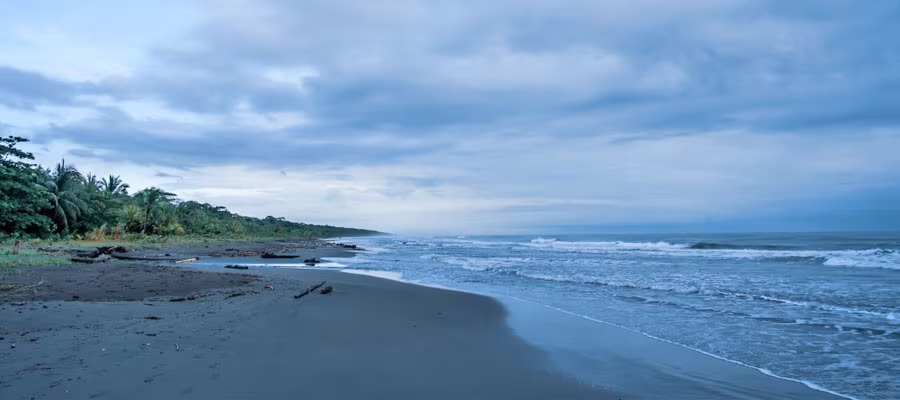
Just north of town, Playa Negra is a long stretch of dark volcanic sand lined with palm trees and low-key lodges. It’s one of the most peaceful beaches on the Caribbean coast, ideal for long walks, morning swims or simply laying out a towel and doing absolutely nothing. The vibe here is slow, friendly and very local.
The water can be calm some days and choppier on others, but the beach is wide and never feels crowded. It’s also one of the best places in Cahuita to stay, with small guesthouses tucked between jungle and sand.
I once had the entire shoreline to myself at sunrise, just a couple of fishermen casting nets and the sound of waves rolling in. Pure Caribbean magic.
Playa Blanca: bright sand and turquoise water inside the park
Inside Cahuita National Park, Playa Blanca is the classic postcard spot. The sand is light, the caribbean sea water shifts between turquoise and emerald, and the whole beach feels wild thanks to the jungle canopy right behind it. It’s perfect for swimming, relaxing after the trail or spending a half-day enjoying the shade and the scenery.
Bring snacks and water because there are no shops inside the park, and remember that monkeys may try to grab anything you leave unattended.

Other beaches nearby
If you want to explore beyond Cahuita, you’re only 15-20 minutes from the beaches of Puerto Viejo, Playa Cocles, Playa Chiquita and Punta Uva, each with its own personality. They’re great for day trips, especially if you want clearer water for swimming or a beach with more cafés and restaurants around.
Day trips and other activities from Cahuita
Gandoca - Manzanillo Wildlife Refuge
Just a short drive south of Cahuita, the Gandoca-Manzanillo Wildlife Refuge is one of the true hidden gems on Costa Rica’s Caribbean coast. The jungle meets the sea, the water turns bright turquoise and the marked trails make exploring easy even for beginners. It’s also a great place to experience Afro-Caribbean culture and everyday life in a quieter corner of Caribbean Costa Rica.
Practical info:
Distance from Cahuita: about 35-40 minutes by car or bus
Hours: roughly 8:00 a.m. to 4:00 p.m. daily (sectors Gandoca & Manzanillo)
Entrance fee: free / voluntary donation
Time to plan: half-day if you just hike, full day if you add beach time and lunch in the village

Puerto Viejo & nearby beaches
For a change of pace, head 20 minutes south to Puerto Viejo, where you’ll find surf beaches, cafés, boutiques and live music. It’s a fun contrast to Cahuita’s calmer vibe and a great place to enjoy more of the region’s local culture.
Practical info:
Distance from Cahuita: ~20 minutes by car or bus
Entrance fee: none, just transport and what you spend on food/activities
Time to plan: half-day for a quick look, full day if you want beach + lunch + shopping

Bribri indigenous communities & chocolate tours
One of the most meaningful experiences near Cahuita is visiting a Bribri indigenous community. Local families teach you about cacao, medicinal plants and cultural traditions, and some tours include a short hike to waterfalls like Volio. It’s a powerful way to connect with local communities while supporting them directly.
Practical info (tours with local operators):
Price: usually 80-100 USD per person depending on inclusions (culture + chocolate + waterfall)
Duration: around 4-5 hours
What’s often included: guide, cacao demo, waterfall stop, sometimes lunch and transport from Puerto Viejo / Cahuita
Waterfalls near Cahuita
Cahuita isn’t known for huge waterfalls, but if you like nature walks, you can visit:
Volio Waterfall (near Bribri, great for swimming)
Other small falls and natural pools in the Uatsi / Dos Aguas area
They’re perfect half-day excursions if you want something refreshing and off the main tourist route.
Practical info:
Price (guided tours): roughly 60-80 USD per person depending on the operator and combo (only waterfall vs culture + waterfall)
Duration: 4-6 hours
Difficulty: easy to moderate hike, often with river crossings
Sloth Sanctuary of Costa Rica
Just 10-15 minutes north of Cahuita, the Sloth Sanctuary rescues and rehabilitates injured sloths. It’s a family-friendly activity and one of the best places to learn about sloth behavior and conservation on the Caribbean side.
Practical info:
Distance from Cahuita: ~10-15 minutes by car
Tour duration: usually around 2 hours for standard visits
Price: usually around 30-40 USD per adult, less for children (always check current prices on their official website)
Tip: advance reservations are strongly recommended in high season

Birdwatching tours
Cahuita is excellent for birdwatching, especially early morning. You may spot toucans, tanagers, oropendolas, herons, ibis and kingfishers along rivers and forest edges. Guided tours help you catch species you’d probably miss on your own.
Practical info:
Start time: usually around 6:00 a.m.
Duration: about 3–5 hours depending on the tour
Price: most tours are in the 55–60 USD per person range
Difficulty: easy walking on garden, forest and park trails

Kayak tours in rivers and mangroves
If you enjoy calm-water adventures, try a kayak tour through mangroves or nearby jungle rivers. It’s an easy activity for beginners and fantastic for spotting wildlife from the water.
Practical info (Cahuita area):
Price: often around 50–60 USD per person for a guided tour
Duration: about 2–2.5 hours
Difficulty: easy to moderate, suitable for most ages
Usually includes: kayak and gear, guide, sometimes fresh fruit

Horseback riding on the beach
A relaxing Caribbean experience, horseback riding tours run along Playa Negra and nearby jungle paths. It’s especially beautiful at sunset.
Practical info:
Price: generally around 70–95 USD per person depending on duration and operator
Duration: 1.5–3 hours
Level: beginner-friendly with a guide
Tip: Long pants and closed shoes are strongly recommended.

Surf lessons at Playa Negra
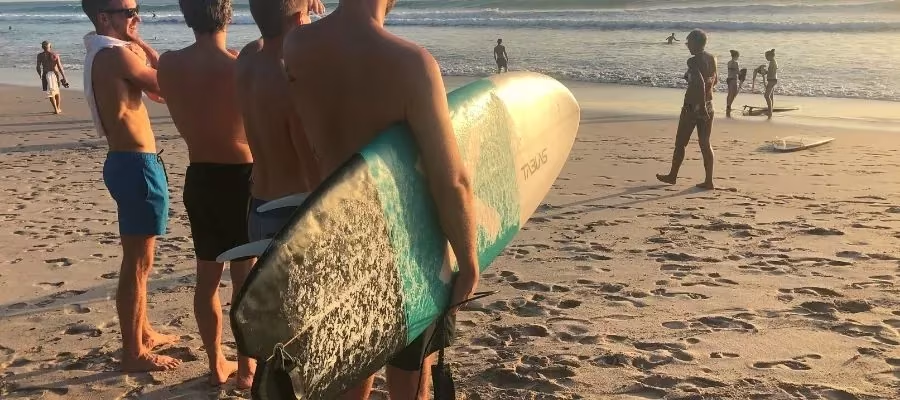
While Cahuita isn’t a major surf destination, this spot offers soft waves perfect for beginners. A couple of local instructors give lessons, making it a fun and easy first-time surf spot.
Practical info (ex. Green Cahuita surf lessons):
Price: around 45 USD per person for a lesson
Duration: about 2 hours
Includes: surfboard, rashguard or surf gear, basic instruction and often a fruit snack
Night walks in the jungle
Night tours reveal a different side of Cahuita: frogs, snakes, insects, sleeping birds and glowing fungi. Guides take you along marked trails, and it’s one of the most surprising wildlife experiences you can have near town.
Practical info:
Start time: usually around 6:30 p.m.
Duration: about 2–2.5 hours
Price: typically 45–75 USD per person depending on the operator and what’s included
Tip: Long sleeves, long pants, insect repellent and closed shoes are essential.
Pacuare River rafting from Cahuita
If you want a big adventure day, you can join a Pacuare River rafting tour from Cahuita or Puerto Viejo. The river is often ranked among the best white-water rafting rivers in the world, with class III–IV rapids, jungle cliffs and waterfalls all along the canyon.
Practical info:
Price: usually around 99–140 USD per person depending on departure point and inclusions (San José vs Cahuita / Puerto Viejo)
Duration: full-day tour, with roughly 3.5–5 hours on the river
Includes: transport, rafting gear, professional guide, breakfast and lunch on most tours

Cahuita town: laid-back Caribbean life
The feel of the village
Cahuita is one of the most relaxed towns on the Caribbean coast of Costa Rica, with just a handful of streets, colorful houses, reggae drifting from porches and a slow rhythm that makes you forget about planning. It’s the kind of place where people greet you as you walk by, where kids ride bikes at sunset and where travelers end up staying longer than expected simply because it feels peaceful and genuine.
Everything in town is within walking distance: the national park entrance, cafés, tour operators and small supermarkets. For many visitors, the charm is in the simplicity.
One afternoon I stopped to buy a coconut from a roadside stand, and the vendor ended up giving me tips on where to spot sloths that morning. That’s Cahuita.

Local restaurants & bars
Cahuita has plenty of local restaurants serving Afro-Caribbean dishes like rice and beans with coconut milk, fresh fish, plantains and homemade hot sauces. You’ll also find a few international cafés and bakeries, but most travelers come for the local flavor.
For a relaxed evening, there are bars nearby offering cold drinks, reggae nights and small live-music sessions. It’s not a party town, but the nightlife is friendly and low-key, perfect after a day of hiking or snorkeling.
Where to stay in Cahuita
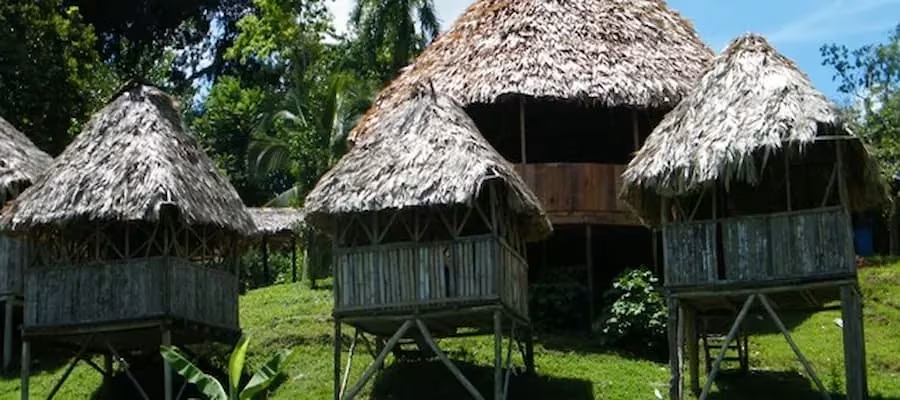
Accommodation in Cahuita is mostly small-scale and surrounded by nature. You’ll find:
Jungle lodges with wildlife right outside your room
Budget guesthouses near Playa Negra
Mid-range bungalows with hammocks, gardens and quiet paths
Most places are walkable from town, so you rarely need a car once you arrive.
Tip: If you want absolute quiet, stay a little outside the center near Playa Negra. If you want to walk everywhere, choose a spot between town and the national park entrance.
Practical tips for visiting Cahuita
Best time to visit
Cahuita is warm year-round, but the best weather on Costa Rica’s coast is usually from September to October (calm seas, great snorkeling) and February to March. Expect more rain from November to January, though mornings can still be sunny.
Getting there
From San José: about 3.5 to 4 hours by car, depending on traffic and weather.
From Liberia Airport: around 6 hours by car, since you have to cross most of the country to reach the place.
Both routes are fully paved. Buses also run from San José to Cahuita, but travel times are longer and less flexible.
How many days to stay
Most travelers spend 2 to 4 nights, enough for the national park, a snorkeling tour, a beach day and a cultural activity like visiting Bribri communities.
Getting around
You can get around town on foot, but a rental car makes day trips much easier (Manzanillo, Puerto Viejo, waterfalls). Road conditions are good on the coast, and you don’t need a 4x4 unless you plan to explore rural mountain areas.
Park rules to know
Inside Cahuita National Park, no alcohol, no loud music, no feeding wildlife and no plastic bags. Keep food stored because monkeys and raccoons will try to grab it.
Safety
Cahuita is generally safe, but use common sense: don’t leave valuables on the beach, be mindful of currents when swimming and avoid walking isolated areas at night.
Budget
Expect:
Meals: 8–15 USD in local restaurants, 15–25 USD in mid-range spots
Snorkeling tours: 25–45 USD
Combo tours: 40–60 USD
Accommodation: 30–70 USD (budget), 80–150 USD (mid-range cabins/lodges)
FAQ about Cahuita Costa Rica
Is Cahuita worth visiting? Absolutely. Cahuita is one of the easiest places to enjoy wildlife, beaches and local Caribbean local culture without crowds of central America. The national park alone makes it worth the stop.
How long should I stay in Cahuita? Most travelers spend 2–4 nights, enough time for the national park, snorkeling, beach time and a cultural activity like a Bribri tour.
Do I need a guide for Cahuita National Park? No, you can hike the trail on your own. But a guided tour helps you spot wildlife you’d miss otherwise, especially snakes, birds and well-hidden sloths.
How much does it cost to enter Cahuita National Park? From the town entrance (Kelly Creek), the entrance works on a donation system. The Puerto Vargas entrance has a fixed fee. Both give access to the same trail and beaches.
Is snorkeling good in Cahuita? When the water is calm, yes, it can be fantastic. The reef is protected, so snorkeling is done only by boat with a certified guide. Best visibility: September–October.
Is Cahuita safe? Cahuita is generally safe, especially during the day. Follow basic precautions, avoid leaving valuables on the beach and swim with awareness of currents.
Do I need a rental car? Not for town or the national park, but a rental car makes day trips much easier (Manzanillo, Puerto Viejo, waterfalls, Bribri communities). A 4x2 is enough along the coast.
What’s the difference between Cahuita and Puerto Viejo? Cahuita is quieter, cheaper and more nature-focused, while Puerto Viejo has more nightlife, restaurants and surf culture. Many travelers visit both.
Final thoughts
Cahuita is one of those places where everything feels easy: you wake up to birds in the trees, walk straight into Cahuita National Park, spot monkeys on the trail, swim at Playa Blanca, grab lunch in a local Caribbean restaurant and end the afternoon relaxing on Playa Negra. It blends wildlife, beaches and culture in a way that feels authentic, warm and simple.
Whether you're traveling the coast, exploring Caribbean Costa Rica for the first time or just looking for a calm base surrounded by nature, Cahuita delivers that slow, welcoming rhythm that makes this region so special.
If you’re craving beautiful beaches, wildlife everywhere, friendly locals and a peaceful atmosphere, you’ll feel right at home here.
Pura vida.